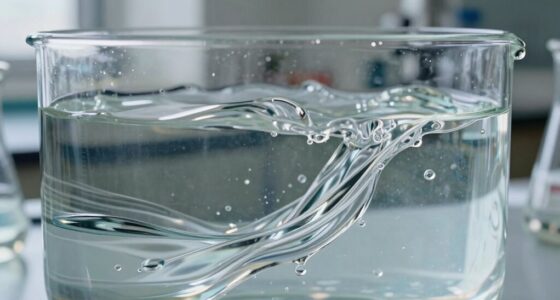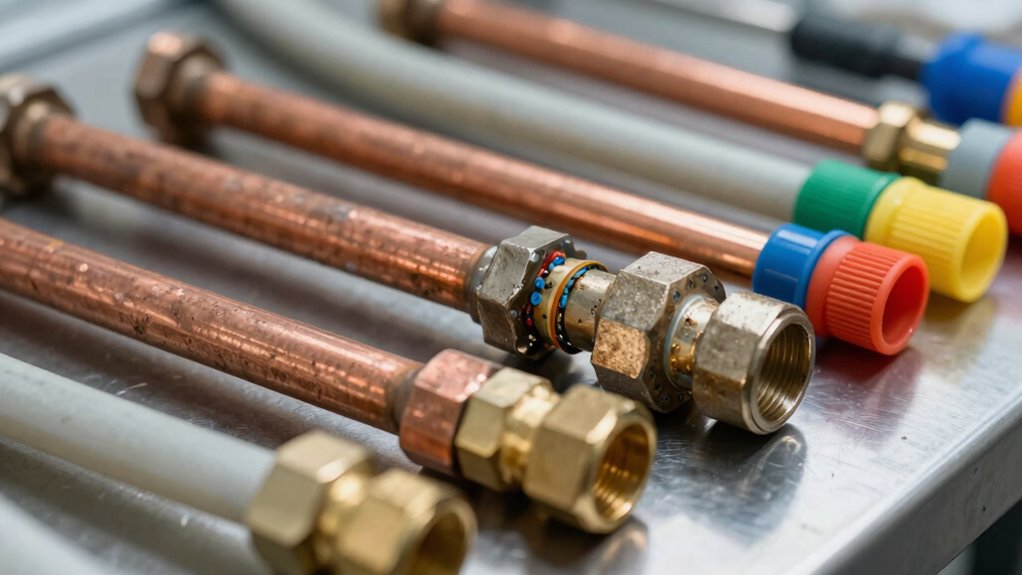
Plumbing materials can complicate lab interpretation because different metals and plastics react uniquely with water, causing corrosion or leaching of chemicals. These reactions can mimic contamination or hide genuine issues, leading to misdiagnosis. Factors like environmental conditions, water chemistry, and material compatibility further influence results, making it harder to pinpoint actual water quality problems. Keep exploring to discover how understanding these interactions can improve your water testing accuracy.
Open a free Amazon Business account
Business pricing, bulk buying and tax-exempt orders.
As an affiliate, we earn on qualifying purchases.
Key Takeaways
- Different materials release varying substances that can be mistaken for water contaminants in lab tests.
- Corrosion from plumbing materials can skew metal levels, leading to misinterpretation of water quality.
- Material interactions in mixed plumbing systems cause unpredictable chemical reactions affecting test results.
- Leaching additives or chemicals from plastics may produce false positives or negatives in testing.
- Environmental factors influence material corrosion, complicating the differentiation between water issues and material effects.
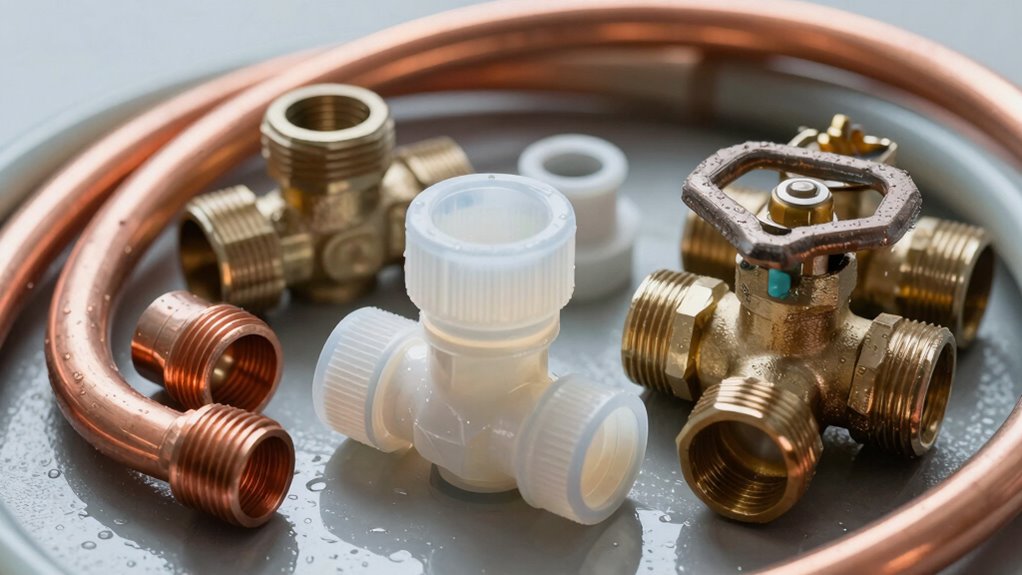
Have you ever wondered how professionals determine the quality and suitability of plumbing materials? It’s not just about choosing pipes or fittings that look durable; a lot hinges on understanding how these materials behave once installed. When analyzing water samples or testing plumbing systems in the lab, the materials used can considerably influence the results. Corrosion effects, for instance, can introduce elements into the water that skew testing outcomes or cause misinterpretation of water quality. Corrosion can release metals like iron, copper, or zinc into the water, which may be mistaken for contamination or natural mineral content. This makes it essential to ponder how corrosion might alter lab readings and to differentiate between actual water issues and material-induced changes. Recognizing Corrosion effects is crucial for accurate interpretation of lab data and ensuring water safety. Material compatibility is equally critical. Not all plumbing materials react the same way with water or treatment chemicals. Some materials may degrade or leach substances into the water, complicating lab interpretation. For example, certain plastics might leach additives or chemicals that interfere with testing, leading to false positives or negatives. Metals like copper or brass might corrode under specific conditions, releasing ions that affect pH levels or chemical tests. If these factors aren’t accounted for, lab results could suggest problems that aren’t present or overlook issues caused by the plumbing itself.
Understanding how corrosion affects lab results is crucial for accurate water quality assessments.
The complexity increases when multiple materials are combined in a plumbing system. Different metals and plastics may interact, accelerating corrosion or chemical leaching. These interactions can produce unpredictable effects on water chemistry, making it harder to interpret lab data accurately. When you analyze samples from such systems, you need to be aware of how material compatibility influences the results. Failing to contemplate these variables might lead to incorrect conclusions about water safety, quality, or compliance with standards. Additionally, the environmental conditions in which the plumbing operates can significantly influence corrosion rates and material reactions, further complicating lab analysis. External factors like water hardness or microbial activity can also play a role in how materials corrode and leach substances, adding further complexity to lab interpretations. Understanding how environmental factors impact corrosion and leaching helps in making more informed assessments of water quality. Moreover, the environment in which the plumbing operates plays a role. Variations in water acidity, temperature, and flow rate can amplify corrosion effects or alter material compatibility. For instance, acidic water accelerates corrosion, increasing the likelihood of metal leaching, which can distort lab findings. Understanding these factors helps you interpret lab data more accurately and determine whether any observed issues stem from water quality or from the materials used in plumbing. Recognizing the interplay between environment and materials is vital for comprehensive analysis and accurate diagnosis.
As an affiliate, we earn on qualifying purchases.
Frequently Asked Questions
How Do Plumbing Materials Release Chemicals Into Lab Samples?
Plumbing materials release chemicals into lab samples through processes like chemical leaching and material degradation. When water interacts with pipes, fittings, or seals, chemicals from these materials can dissolve and contaminate your samples. Factors such as temperature, pH, and water contact duration accelerate this release. As a result, the presence of these chemicals can skew lab results, making it essential to understand and control plumbing material interactions during sample collection.
Can Plumbing Corrosion Affect Lab Test Accuracy?
Did you know that studies show plumbing corrosion can skew lab results by up to 15%? Yes, corrosion can release metals and contaminants that interfere with test accuracy. Regular plumbing maintenance is essential to minimize this risk, especially with older pipes. Choosing durable materials reduces corrosion, ensuring your samples stay uncontaminated. Keep an eye on your plumbing’s condition to maintain precise lab test results and avoid costly inaccuracies.
Which Plumbing Materials Are Safest for Lab Environments?
You should choose plumbing materials that minimize chemical leaching and guarantee material compatibility with lab chemicals. Stainless steel and certain plastics like PEX or PVDF are safest, as they resist corrosion and don’t release harmful substances. Avoid materials like copper or galvanized pipes, which can leach metals. By selecting compatible, non-reactive materials, you reduce contamination risks and improve lab test accuracy.
How Often Should Plumbing Be Checked for Contamination Risks?
You should check your plumbing for contamination risks at least once every six months. During inspections, monitor water pressure to guarantee it stays within safe limits, as fluctuations can indicate issues. Also, examine pipe insulation to prevent mold and bacterial growth. Regular checks help identify potential contamination sources early, keeping your lab environment safe and compliant with health standards. Consistent maintenance minimizes risks and maintains water quality.
Do Different Plumbing Materials Influence Specific Lab Test Results?
Yes, different plumbing materials can influence lab test results by causing sample contamination or affecting material compatibility. You might notice unexpected readings or inconsistencies if the pipes are made of incompatible materials, leading to false positives or negatives. It’s vital to take into account the plumbing’s composition to guarantee accurate interpretation. When selecting materials, prioritize those that minimize contamination risk and are compatible with your testing protocols for reliable results.
corrosion-resistant plumbing pipes
As an affiliate, we earn on qualifying purchases.
As an affiliate, we earn on qualifying purchases.
Conclusion
Understanding how plumbing materials can interfere with lab results is vital. Did you know that studies show up to 40% of water samples tested may be compromised due to pipe contamination? By being aware of potential material-related issues, you can take steps to guarantee accurate lab interpretations. This awareness helps prevent misdiagnoses or unnecessary treatments, ultimately safeguarding public health. So, always consider plumbing factors when analyzing water quality to get the most reliable results possible.
As an affiliate, we earn on qualifying purchases.
metal and plastic plumbing fittings
As an affiliate, we earn on qualifying purchases.
As an affiliate, we earn on qualifying purchases.
Fall yard work Picks
leaf blowers
As an affiliate, we earn on qualifying purchases.