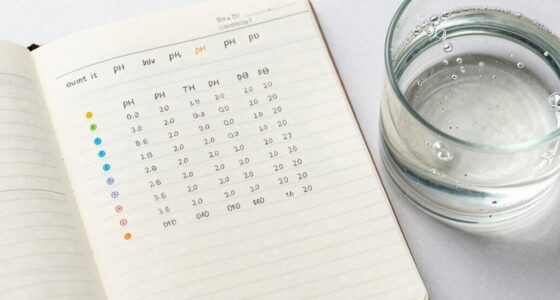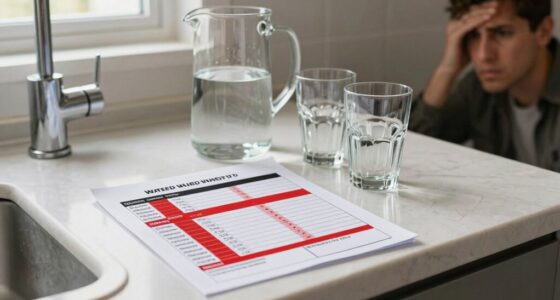
To build a better water baseline, start by tracking your household’s water use over time with smart meters or manual logs. Regularly test your water quality to identify any contaminants or minerals, and keep detailed records of both consumption and water test results. Pay attention to usage patterns and peaks to spot leaks or inefficiencies. Making these adjustments regularly will help you optimize water conservation and safety—stay with us to discover even more ways to improve your water management.
Listen free for 30 days with Audible
Thousands of audiobooks and originals — cancel anytime.
As an affiliate, we earn on qualifying purchases.
Key Takeaways
- Install smart meters for real-time, accurate water usage tracking and identify consumption patterns.
- Regularly test water quality to detect contaminants and assess the need for treatment upgrades.
- Document daily, weekly, and monthly water use to establish a comprehensive baseline.
- Address water quality issues with appropriate treatment solutions like water softeners or filtration systems.
- Continuously review data and adjust conservation strategies based on household changes and water quality insights.
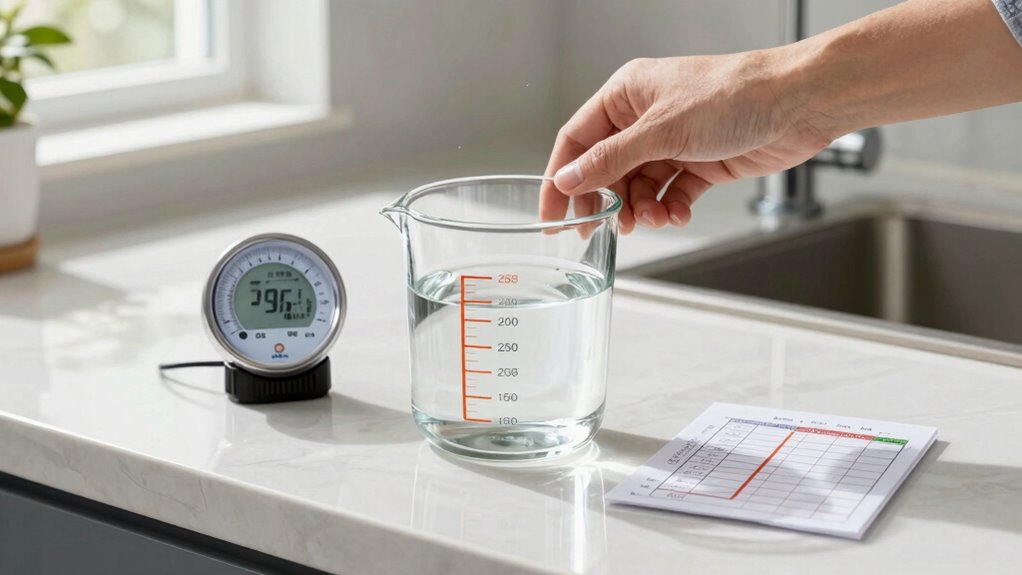
Have you ever wondered how accurately your water usage is measured and understood? Building a reliable water baseline starts with understanding your current water consumption habits and the quality of the water coming into your home. Water quality plays an essential role because it affects everything from appliance efficiency to health and safety. If your water contains contaminants or minerals, it might require different treatment or monitoring methods. To establish a solid baseline, you need to begin with thorough usage monitoring. This involves tracking how much water you use daily, weekly, and monthly, paying attention to patterns and anomalies. Usage monitoring helps you identify peak times and unusual spikes, which could indicate leaks or inefficient fixtures.
Understanding your water habits and quality is key to building an accurate, effective water conservation plan.
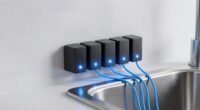
Once you’ve gathered initial data, you should consider installing smart water meters or sub-meters that provide real-time readings. These devices make it easier to track your water consumption precisely and make adjustments as needed. With accurate data, you can set realistic goals for reducing waste and improving efficiency. It’s also essential to check your water quality regularly through testing kits or professional assessments. Knowing the quality of your water ensures that you’re aware of any issues that could impact your health or the performance of appliances like dishwashers, washing machines, and water heaters. Clean, safe water supports better usage habits and prevents costly repairs caused by mineral buildup or corrosion.
In addition, understanding water treatment methods can help you better address specific water quality issues in your home, leading to more effective solutions. To build a better water baseline, you should document your findings carefully. Keep a log of water usage figures alongside water quality reports. This combined data gives you a complete picture of your home’s water profile. When you understand both the quantity and quality of your water, you can make informed decisions about upgrades or water-saving measures. For example, if your water has high mineral content, installing a water softener might be necessary. If usage is high, replacing old fixtures with low-flow alternatives can make a significant difference.
Regularly revisiting your water baseline is essential. As your household size or habits change, so will your water needs. Continually monitoring usage and water quality allows you to adjust your conservation strategies effectively. Incorporating comprehensive water testing and analysis ensures you are making decisions based on accurate, complete data. Additionally, understanding water quality standards helps you interpret test results and determine whether your water meets safety guidelines. Being aware of contaminant levels can help prevent health issues and maintain water safety. With precise measurement and ongoing monitoring, you’ll be better equipped to save water, reduce costs, and ensure your water remains safe and high-quality for your home.
As an affiliate, we earn on qualifying purchases.
Frequently Asked Questions
How Often Should I Check My Water Baseline?
You should check your water baseline at least once every three to six months. Regular monitoring helps you spot changes early, supporting water conservation efforts and leak detection. If you notice a sudden increase in usage, check your system immediately to prevent waste and costly repairs. Consistent tracking guarantees your household stays efficient, saves money, and minimizes environmental impact by catching leaks before they become big issues.
What Tools Are Needed to Measure Water Usage Accurately?
To measure water usage accurately, you need a reliable water meter and data logging tools. Water meters track your household’s water flow precisely, while data loggers record readings over time, helping you identify patterns and anomalies. You can choose digital meters with built-in data logging or connect traditional meters to external devices. Regularly reviewing this data guarantees you maintain an accurate water baseline, saving water and reducing costs.
Can a Water Baseline Fluctuate Seasonally?
Imagine the gentle ebb and flow of tides—your water baseline can similarly fluctuate with seasonal variations. Usage fluctuations happen naturally as temperature changes, outdoor watering needs increase, or household habits shift. These subtle shifts don’t signal problems but reflect life’s rhythms. By tracking your water use over time, you can identify patterns and adjust, ensuring your baseline remains a reliable guide despite the natural dance of seasonal variations.
How Do I Identify Unusual Water Consumption Patterns?
To identify unusual water consumption patterns, regularly monitor your water bills and compare them to your baseline. Look for spikes or irregularities that may indicate leaks or inefficient use. Use leak detection tools or check your fixtures for leaks, especially during periods of water conservation. By staying vigilant and analyzing your water data, you can quickly spot anomalies, reduce waste, and improve overall water efficiency in your home.
Is Professional Help Necessary to Establish a Water Baseline?
You don’t always need professional help to establish a water baseline, but an expert consultation can make a difference. While a professional assessment offers precise data and can identify hidden leaks or inefficiencies, you can start by tracking your water usage manually. If you notice irregular patterns or want accurate data quickly, consulting an expert guarantees your baseline is reliable, saving you time and potential future costs.
As an affiliate, we earn on qualifying purchases.
Conclusion
By establishing a solid water baseline, you’re laying the foundation for a smoother flow of daily life. Think of it as tuning a fine instrument—every drop and measurement aligning in harmony. With this steady rhythm, you’ll catch leaks before they grow, save water like a treasure, and enjoy a home that hums with efficiency. Keep your water baseline balanced, and watch your household’s health and savings dance in perfect tune.
As an affiliate, we earn on qualifying purchases.
As an affiliate, we earn on qualifying purchases.
Fall Picks
fall essentials
As an affiliate, we earn on qualifying purchases.