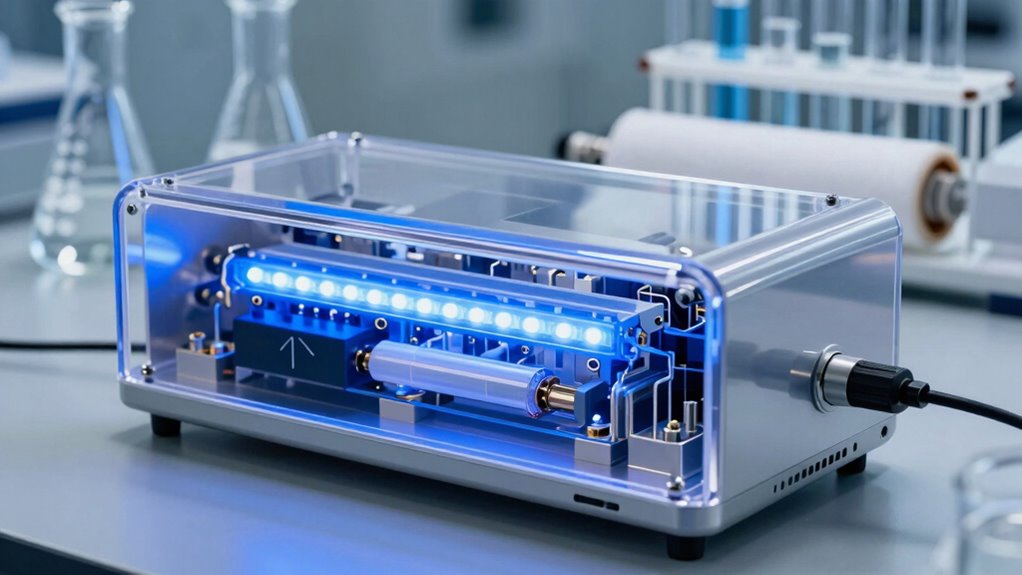

You might think UV and RO systems are just fancy hardware, but their effectiveness really depends on your risk management plan. Proper maintenance, contamination control, and regular testing are essential to prevent issues like biofouling or microbial growth. Without strategic oversight, even the best equipment can fail to keep water safe. By focusing on a thorough approach, you guarantee long-term safety. If you continue, you’ll discover how proper management makes all the difference.
Key Takeaways
- Hardware effectiveness relies heavily on proper maintenance and contamination control within a comprehensive risk management plan.
- UV and RO systems require regular monitoring and cleaning to prevent fouling, biofilm buildup, and equipment failure.
- Proper staff training, documentation, and operational procedures are essential to ensure long-term water safety.
- Contamination sources and microbial risks must be understood and managed beyond hardware capabilities.
- Integrating hardware into a strategic risk approach ensures sustained performance and protection against waterborne hazards.
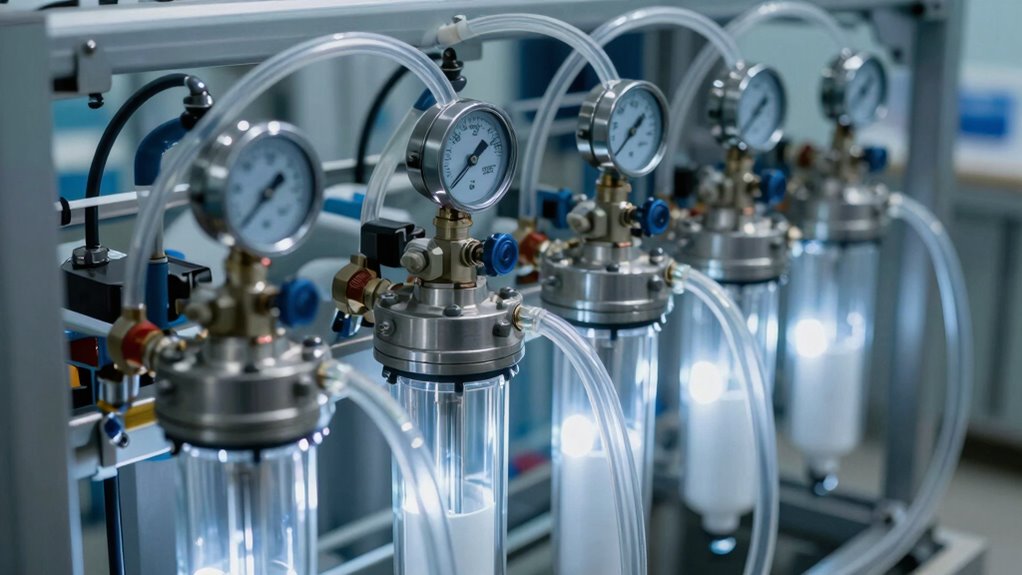
When it comes to guaranteeing water safety, many organizations prioritize hardware solutions like ultraviolet (UV) disinfection and reverse osmosis (RO) systems. While these technologies are essential, their effectiveness hinges on a well-implemented risk strategy. You can’t just install UV and RO units and expect perfectly safe water; you need to understand that contamination control and maintenance protocols are the backbone of a reliable water treatment plan. Without proper management, even the most advanced hardware can become compromised, leading to safety risks.
Contamination control isn’t solely about choosing the right equipment. It involves understanding potential sources of pollutants and implementing measures to prevent their entry into the system. UV systems, for example, are highly effective against bacteria and viruses, but only if the water is clear and free of particulates that can shield microorganisms. Similarly, RO membranes can remove a broad range of contaminants, but if they become fouled or damaged, their performance drops drastically. You must regularly monitor water quality and take proactive steps to prevent contamination from developing, which is a fundamental aspect of risk management. Additionally, understanding biodiversity within water sources can help identify natural vulnerabilities to contamination. Recognizing the microbial diversity present can guide targeted treatment strategies and improve overall system resilience. Regular testing of microbial presence can help prevent outbreaks before they occur. Implementing a comprehensive contamination prevention plan is crucial for maintaining water safety standards over time.
Maintenance protocols are equally critical. They aren’t just about routine checks; they’re strategic actions designed to sustain system integrity. Regular cleaning, filter replacements, and calibration of UV lamps are necessary to maintain peak performance. Skipping these steps or delaying maintenance can lead to biofouling, membrane scaling, or UV lamp failure—all of which compromise contamination control and increase health risks. Proper maintenance ensures the hardware functions as intended, but more importantly, it minimizes the risk of waterborne threats slipping through. A well-structured maintenance schedule also helps extend the lifespan of the equipment and reduces unexpected breakdowns.
A successful risk strategy recognizes that hardware alone isn’t enough. It’s about establishing a thorough plan that includes routine testing, staff training, and clear procedures for system operation and troubleshooting. You should keep detailed records of maintenance activities, water quality tests, and any system repairs. This documentation helps identify patterns that could signal emerging risks, allowing you to act before problems escalate. Implementing a comprehensive contamination control program ensures that hardware remains effective over time and adapts to new challenges.
Ultimately, the real value of UV and RO systems lies in how you manage and maintain them. They are tools—powerful but not infallible—unless integrated into a well-designed contamination control program supported by solid maintenance protocols. When you treat these systems as part of a broader risk strategy, you’re not just investing in hardware; you’re investing in long-term water safety and health assurance.

HQUA-TWS-12 Ultraviolet Water Purifier Filter for Whole House Water Purification,12GPM 120V, 1 Extra UV Lamp + 1 Extra Quartz Sleeve
- Flow Rate: 12GPM
- Power: 55W
- Dimensions: 21 inch long, 3.5 inch diameter
As an affiliate, we earn on qualifying purchases.
As an affiliate, we earn on qualifying purchases.
Frequently Asked Questions
How Does Risk Management Impact Overall Water Treatment Effectiveness?
Risk management directly impacts your water treatment effectiveness by emphasizing source protection and contaminant control. When you prioritize these strategies, you reduce the chance of harmful contaminants entering your system, making treatment processes more efficient. By identifying vulnerabilities and implementing safeguards, you guarantee cleaner water and minimize health risks. Ultimately, a solid risk management plan safeguards your entire water treatment system, leading to more reliable, safe, and high-quality water.
What Are the Cost Differences Between UV + RO and Traditional Systems?
The cost comparison between UV + RO systems and traditional setups shows UV + RO often involves higher hardware expenses initially, due to advanced components. However, over time, their improved risk management reduces maintenance and replacement costs. While traditional systems may seem cheaper upfront, UV + RO can save you money long-term by preventing costly contamination issues. Ultimately, investing in UV + RO balances upfront hardware expenses with ongoing operational savings.
How Do Maintenance Requirements Influence System Reliability?
Maintenance frequency directly impacts your system’s reliability by preventing build-up and wear that can cause failures. Regular upkeep guarantees components like UV lamps and RO membranes function at their best, which extends system longevity. When you stay consistent with maintenance, you’re reducing the risk of unexpected breakdowns, saving costs, and ensuring continuous water quality. Neglecting maintenance, however, can lead to decreased system performance and costly repairs over time.
Can UV + RO Systems Adapt to Changing Water Quality Conditions?
Think of your UV + RO system as a chameleon, capable of adjusting to shifts in water quality. When conditions change, it adapts with ease, thanks to its system flexibility. This guarantees ideal performance despite fluctuating water qualities, safeguarding your water’s safety. By designing for adaptability, you’re not just reacting to water changes—you’re proactively managing risk, keeping your system resilient and your water pure no matter what comes its way.
What Are the Long-Term Benefits of Prioritizing Risk Strategy Over Hardware?
By prioritizing risk strategy over hardware, you enhance your system’s resilience and better manage water quality risks through thorough risk assessments. This approach helps you identify vulnerabilities early, allowing for targeted interventions and flexible responses. Over time, it reduces operational costs, minimizes downtime, and guarantees safer water. Focusing on risk strategy ultimately creates a more adaptable, sustainable system that reliably meets changing water quality demands.

iSpring RCC7AK-BN NSF Certified, 75 GPD, Alkaline 6-Stage Reverse Osmosis System, pH+ Remineralization RO Water Filter System Under Sink Patented Top-Mounted Faucet Design for Easy Installation
- Patented Top-Mounted Faucet Design: Easy above-sink installation
- Mineral Boost Stage: Adds essential minerals and balanced pH
- Transparent Filter Housing: Monitor contaminant buildup easily
As an affiliate, we earn on qualifying purchases.
As an affiliate, we earn on qualifying purchases.
Conclusion
So, next time you’re dazzled by shiny UV and RO gadgets, remember—they’re more about your risk game than some fancy tech. Don’t be fooled into thinking the latest hardware solves everything. It’s like dressing a pig in designer clothes—still a pig. Instead, focus on your strategy and risk management, because that’s where real protection lives. After all, in the world of water safety, brains beat bling every single time.
As an affiliate, we earn on qualifying purchases.
As an affiliate, we earn on qualifying purchases.