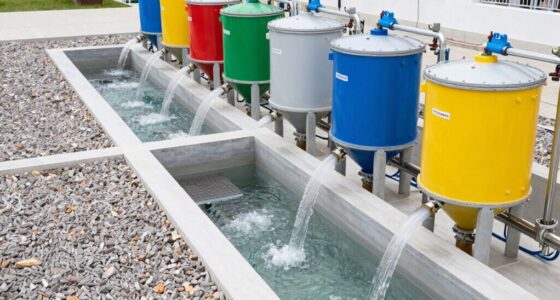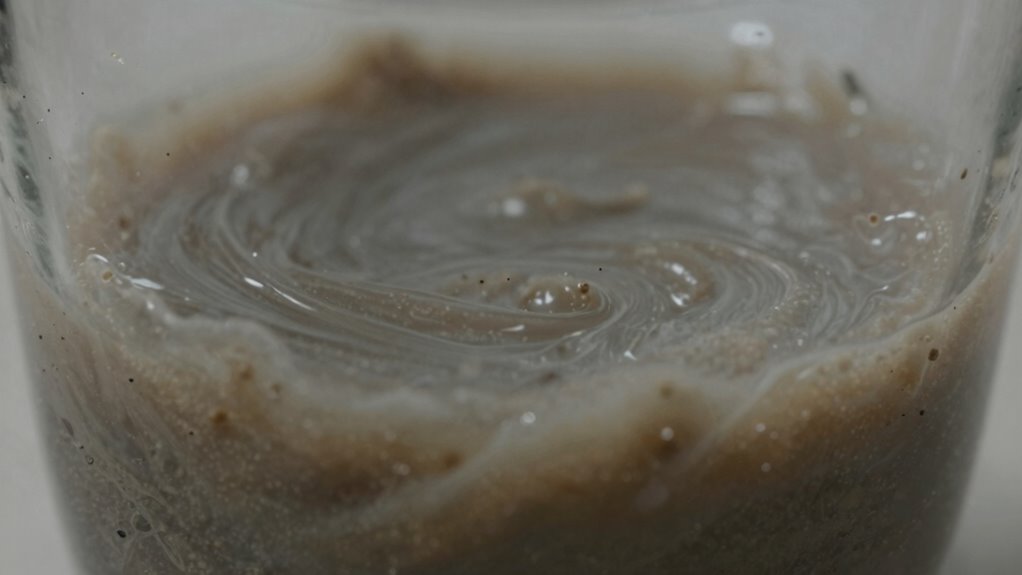

High-turbidity water needs a different treatment approach because dense particles block filtration and hamper disinfection. Standard methods often get clogged quickly, reducing effectiveness and complicating downstream steps. You can improve results by combining pre-treatment, like coagulation, with advanced filtration media or membranes to better remove particles. Using precise chemical dosing helps destabilize particles for easier removal. If you want to understand effective strategies for tackling high turbidity, there’s more to discover below.
Key Takeaways
- Dense suspended particles clog filters and reduce the efficiency of conventional water treatment methods.
- High turbidity interferes with effective water clarification and downstream processes.
- Standard filtration quickly becomes ineffective due to particle buildup and filter clogging.
- Chemical treatments alone are insufficient; combined strategies are necessary for optimal removal.
- Tailored approaches, like pre-treatment and advanced filtration, ensure reliable, sustainable water purification.
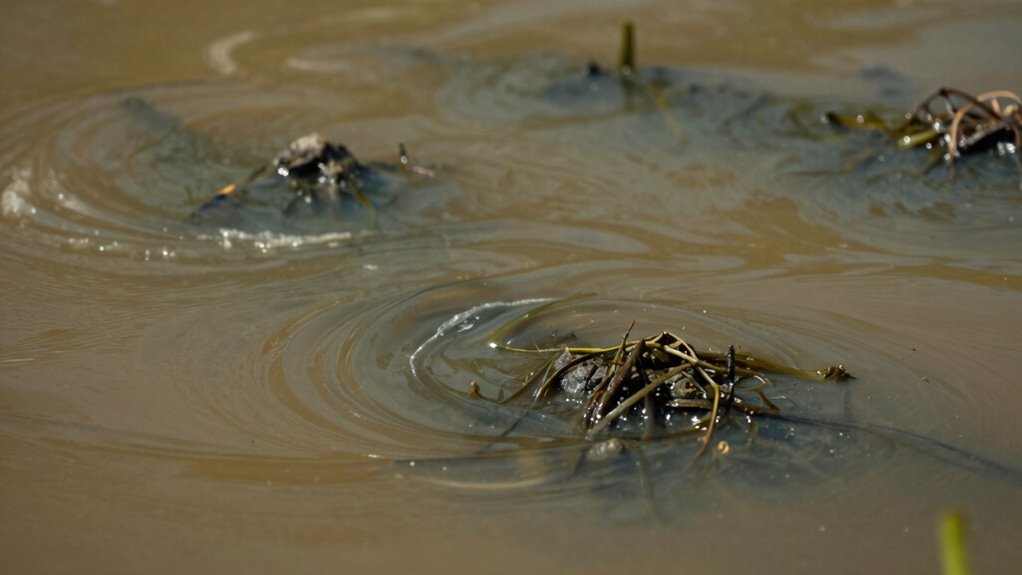
When dealing with high-turbidity water, standard treatment methods often fall short because the dense suspended particles interfere with conventional processes. These particles make it difficult for typical filtration techniques to effectively clarify the water, as they tend to clog filters rapidly and reduce overall efficiency. To tackle this challenge, you need to adopt specialized strategies that can handle the high load of particles, guaranteeing the water becomes safe and clear for use. One approach is to enhance filtration techniques by incorporating pre-treatment steps like coagulation and flocculation. These processes help aggregate smaller particles into larger flocs that are easier to remove, easing the burden on subsequent filtration stages. You might also consider using advanced filtration media designed specifically for high-turbidity water, such as multi-media filters or membrane systems, which can trap particles more effectively than traditional sand filters. Additionally, employing optimized filtration media can further improve particle removal efficiency, especially when combined with pre-treatment processes.
However, filtration alone isn’t enough. Chemical treatment plays a crucial role in managing high-turbidity water. You need to carefully select and dose coagulants and flocculants to destabilize suspended particles and promote their aggregation. This chemical treatment not only improves the efficiency of filtration but also reduces the overall turbidity level before water reaches the filters. Proper chemical dosing ensures that particles settle out more readily or become easier to trap during filtration, markedly improving water clarity. Be mindful that the chemical treatment process must be precisely controlled because over-dosing can lead to residual chemicals in the water, while under-dosing might leave turbidity levels unacceptably high. Additionally, understanding the turbidity levels in your water source can help optimize treatment processes and prevent equipment overload.
Furthermore, combining chemical treatment with optimized filtration techniques creates a synergistic effect, allowing you to handle water with extreme turbidity levels more reliably. For example, using coagulation followed by rapid filtration can drastically cut down turbidity, making subsequent disinfection more effective. It’s also essential to monitor the water quality continuously, adjusting chemical dosages and filtration parameters as needed to respond to fluctuating turbidity levels. This integrated approach minimizes the risk of filter clogging and ensures consistent water quality.
In essence, treating high-turbidity water demands a tailored combination of advanced filtration techniques and precise chemical treatment. You can’t rely solely on conventional methods because they aren’t designed to cope with dense particles. Instead, by employing pre-treatment, specialized filtration media, and carefully controlled chemical dosing, you set the stage for a more effective, sustainable water treatment process that guarantees safe, clear water for your needs.

Premier Whole House Filtration System: 1.5 cu ft Clack Filter-Ag Plus Sediment Filter + Fleck 5600SXT Backwash Valve for Sediment & Turbidity Removal
- High Flow Rate: Lower equipment costs and space savings
- Deep Bed Filtration: Improves water quality and reduces downstream load
- Filter-Ag Plus Material: Natural clinoptilolite ore for suspended solids reduction
As an affiliate, we earn on qualifying purchases.
As an affiliate, we earn on qualifying purchases.
Frequently Asked Questions
How Does Turbidity Affect Water Treatment Costs?
Turbidity considerably impacts water treatment costs by increasing operational expenses and infrastructure challenges. Higher turbidity requires more intensive filtration and additional treatment steps, which raise costs. You’ll face greater infrastructure demands to handle the increased load and prevent clogging or damage. As a result, managing high-turbidity water demands more resources, making treatment more expensive and complex, ultimately affecting your overall water treatment budget and efficiency.
Can High-Turbidity Water Be Made Safe Without Filtration?
Think of high-turbidity water as a muddy pond—you can’t see through it clearly. You can make it safe without filtration by using alternative chemical methods, like coagulants, to clump and settle particles through natural sedimentation. This process allows solids to settle at the bottom, reducing turbidity and making the water safer to drink. However, combining chemical treatment with sedimentation is often more effective than relying on natural processes alone.
What Are Common Sources of High Turbidity in Water?
You’ll find high turbidity in water from sources like sediment accumulation and organic matter. Soil erosion from construction sites or farming introduces sediments, while decaying plants and algae add organic matter. Runoff during heavy rains can carry these pollutants into water supplies, increasing turbidity. These contaminants cloud the water, making it harder to treat effectively and requiring specialized strategies to guarantee safety.
How Quickly Can High-Turbidity Water Be Treated Effectively?
High-turbidity water can be treated quickly, often within a few hours, if you act promptly. You’ll start with chemical dosing to settle out particles, then use UV disinfection to guarantee safety. Think of it as clearing a fog—proper chemicals and UV light cut through the haze fast, restoring clarity. The key is swift, targeted treatment, which minimizes delay and guarantees your water becomes safe to use efficiently.
Are There Specific Industries More Prone to High-Turbidity Water Issues?
Industries like industrial agriculture and mining operations are more prone to high-turbidity water issues due to their activities. You’ll find that these sectors generate significant sediment, organic matter, and pollutants, which increase water turbidity. This makes standard treatment methods less effective. To address these challenges, you need specialized strategies, such as enhanced filtration or coagulation, tailored to handle the high sediment loads and contaminants specific to these industries.
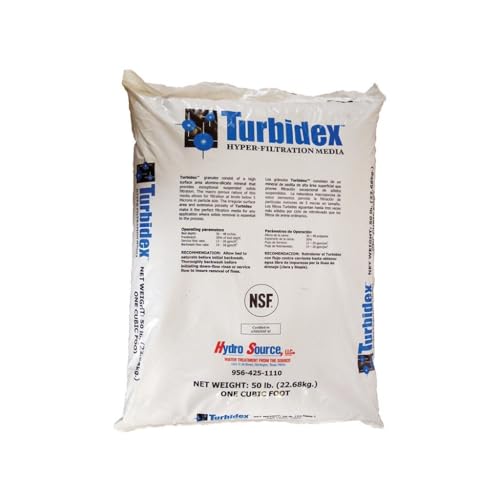
Turbidex™ Sediment and Turbidity Filter Media Replacement 1 cubic foot for Backwashing Sediment Water Filters AIS10 Filter Media
- Filter Media Quantity: 1 cubic foot bag
- Filtration Efficiency: 3 to 5 microns
- Enhanced Performance: Reduces chemical and membrane costs
As an affiliate, we earn on qualifying purchases.
As an affiliate, we earn on qualifying purchases.
Conclusion
When dealing with high-turbidity water, think of it as steering through a foggy night — your usual lighthouse may not cut through the haze. You need a different strategy, like a powerful spotlight that pierces the darkness, revealing clarity beneath the murk. By adapting your approach, you turn turbulent waters into a clear path forward. Remember, in the murkiest conditions, your innovative tactics are the guiding stars that lead you safely to clean, safe water.
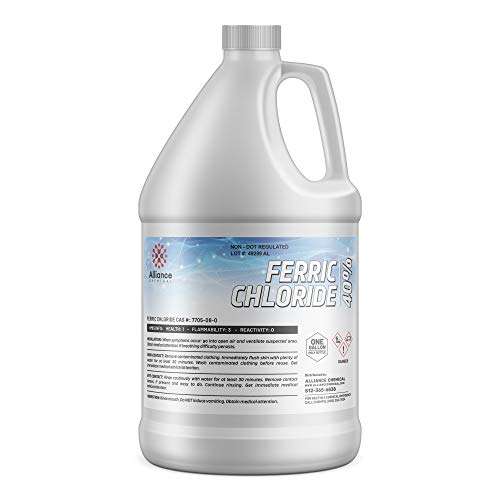
Ferric Chloride 40% – 1 Gallon – 128 FL Oz – Copper Etchant Solution – Water Treatment – Ferric Chloride Liquid – Alliance Chemical
- Brand: Alliance Chemical
- Solution Type: Ferric Chloride 40% liquid
- Size: 1 Gallon (128 FL Oz)
As an affiliate, we earn on qualifying purchases.
As an affiliate, we earn on qualifying purchases.
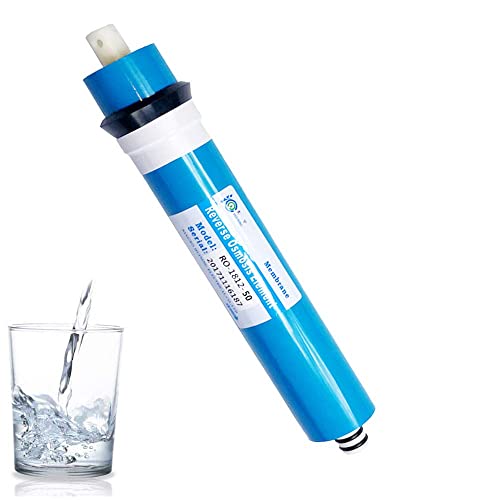
Huining 50GPD RO Membrane 1812/2012 Residential Reverse Osmosis Membrane Water Filter Cartrige Replacement for Home Drinking Water Filtration System Household Water Purifier
- Lifespan: 15-24 months based on water quality
- Certified Filtration: Meets NSF / ANSI 58 standards
- High-Efficiency Filtration: Density graded membrane for maximum coverage
As an affiliate, we earn on qualifying purchases.
As an affiliate, we earn on qualifying purchases.