
TL;DR

Get home appliances delivered free — and shop member deals
- Fast, free delivery on millions of items
- Access to Prime Big Deal Days deals on October 6–7
- Prime Video, Amazon Music and more included
Brigham Young University-Hawaii is nearing complete solar energy reliance through a major ground-mount solar project and solar canopies. The initiative aims to cover 100% of the campus’s electricity needs, with excess power supporting local facilities. The project is in its final phases, with full completion anticipated soon.
Brigham Young University-Hawaii is close to achieving nearly 100% reliance on solar power for its campus energy needs, with the final phase of a major solar project underway.
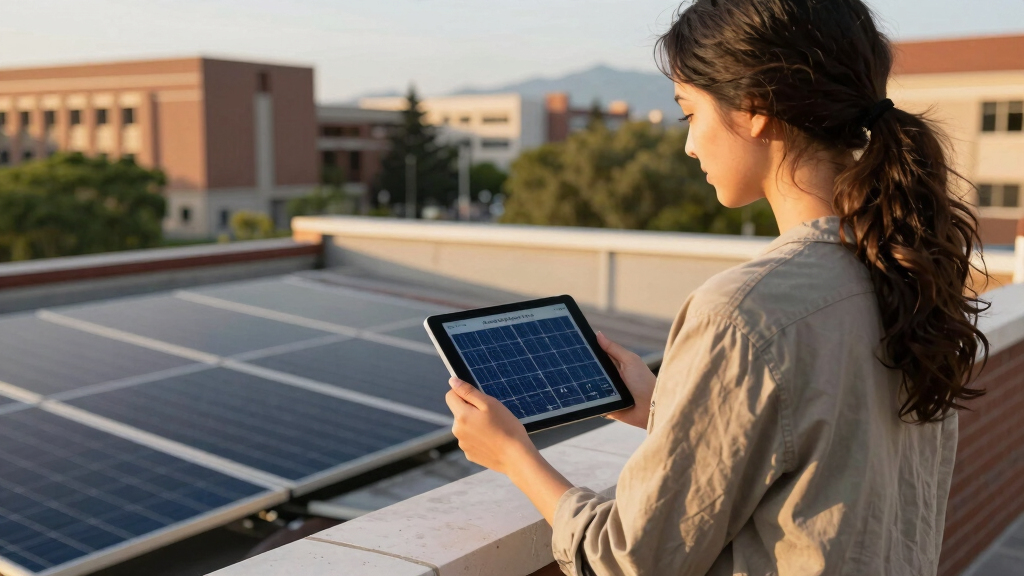
The university’s ground-mount solar system southwest of campus and new solar canopies in the parking lot are part of the University Solar Project’s second phase. Once completed, these installations will provide the entire campus with clean energy, with excess power supplying the Polynesian Cultural Center and the Laie Hawaii Temple.
The project, initiated in 2022, already includes three rooftop solar systems, five solar carports, and a 7 MWh battery backup, covering 39% of the university’s electricity needs. The new phase aims to expand this capacity significantly, moving towards complete solar independence.
The battery system is designed to provide backup power for up to five days, enhancing energy resilience and supporting Hawaii’s broader renewable energy goals.
Implications of Near-Complete Solar Transition for Hawaii Universities
This development demonstrates Hawaii’s leadership in renewable energy adoption, showcasing how large institutions can transition to clean power sources. Achieving near 100% solar power reduces reliance on fossil fuels, cuts emissions, and sets a precedent for other campuses and communities. It also highlights the importance of integrating energy storage to ensure reliability and resilience in renewable energy systems.
As an affiliate, we earn on qualifying purchases.
Hawaii’s Renewable Energy Leadership and University Initiatives
Hawaii has been a pioneer in renewable energy, with state policies actively promoting clean energy adoption. Since 2022, Brigham Young University-Hawaii has expanded its solar capacity through rooftop systems, carports, and now ground-mount installations, aiming for full campus electrification via solar power. The project aligns with Hawaii’s broader efforts to transition away from fossil fuels and increase renewable energy use across the state.
“This project exemplifies how educational institutions can lead by example in renewable energy transition.”
— an anonymous researcher
solar carport canopy for parking lot
As an affiliate, we earn on qualifying purchases.
As an affiliate, we earn on qualifying purchases.
Remaining Steps and Potential Challenges Before Full Completion
While the project is nearing completion, it is not yet confirmed when all installations will be fully operational and integrated into the campus grid. Details about the final capacity and how quickly the excess power will be distributed to other facilities remain to be clarified. Additionally, potential logistical or technical challenges during the final phases are still unreported.
home solar battery backup system
As an affiliate, we earn on qualifying purchases.
As an affiliate, we earn on qualifying purchases.
Finalization and Operational Testing of the Solar Systems
The next steps include completing construction of the ground-mount system and solar canopies, followed by system testing and integration. Once operational, the university will monitor performance and energy output, with full reliance on solar power expected soon after. The project’s success could serve as a model for other institutions in Hawaii and beyond.
large scale solar energy storage
As an affiliate, we earn on qualifying purchases.
As an affiliate, we earn on qualifying purchases.
Key Questions
When will the university be fully powered by solar energy?
While the project is close to completion, an exact date for full operational status has not been confirmed. It is expected to be finalized in the coming months.
How much energy will the new solar systems generate?
The exact final capacity is still being determined, but the project aims to cover 100% of the university’s electricity needs, including additional power for local facilities.
Will the project significantly reduce Hawaii’s reliance on fossil fuels?
Yes, by nearly fully powering the campus with solar energy, the project contributes to Hawaii’s broader goal of reducing fossil fuel dependence and increasing renewable energy use.
What role does energy storage play in this project?
The project includes a battery backup system designed to provide up to five days of backup power, enhancing resilience and ensuring reliable energy supply during periods of low sunlight or grid disruptions.
Source: CleanTechnica
Fall Picks
fall essentials
As an affiliate, we earn on qualifying purchases.