
If you notice pressure fluctuations that mimic filtration issues like reduced flow or inconsistent pressure, a faulty pressure regulator might be the culprit, not clogged filters. These regulators can create pressure spikes or drops that look just like filter problems, leading you to unnecessary replacements. Regular inspection and simple adjustments can catch these issues early. Keep going to find out how to identify and fix a malfunctioning pressure regulator before unnecessary repairs happen.

Get home appliances delivered free — and shop member deals
- Fast, free delivery on millions of items
- Access to Prime Big Deal Days deals on October 6–7
- Prime Video, Amazon Music and more included
Key Takeaways
- Pressure fluctuations caused by faulty regulators mimic filtration issues like reduced flow and pressure inconsistencies.
- Malfunctioning pressure regulators often display leaks, corrosion, or damaged diaphragms, leading to irregular system pressure.
- Signs include pressure spikes despite clean filters, indicating regulator problems rather than filter clogging.
- Regular inspection and testing of pressure regulators can differentiate between filtration issues and regulator faults.
- Proper maintenance and timely regulator replacement prevent unnecessary filter replacements and ensure system stability.
When you notice pressure fluctuations in your system, it’s easy to mistake the issue for filtration problems, but often the root cause is a malfunctioning pressure regulator. These fluctuations can mimic the symptoms of clogged filters—reduced flow, inconsistent pressure, or system shutdowns—leading you to think the filters need replacing. However, addressing the pressure regulator directly can be a more cost-effective solution and prevent unnecessary expenses on filter replacements. Recognizing this distinction is vital, especially when you’re aiming to optimize your system’s performance and avoid downtime.
Pressure fluctuations often stem from faulty regulators, not filters—address the regulator first to save time and money.
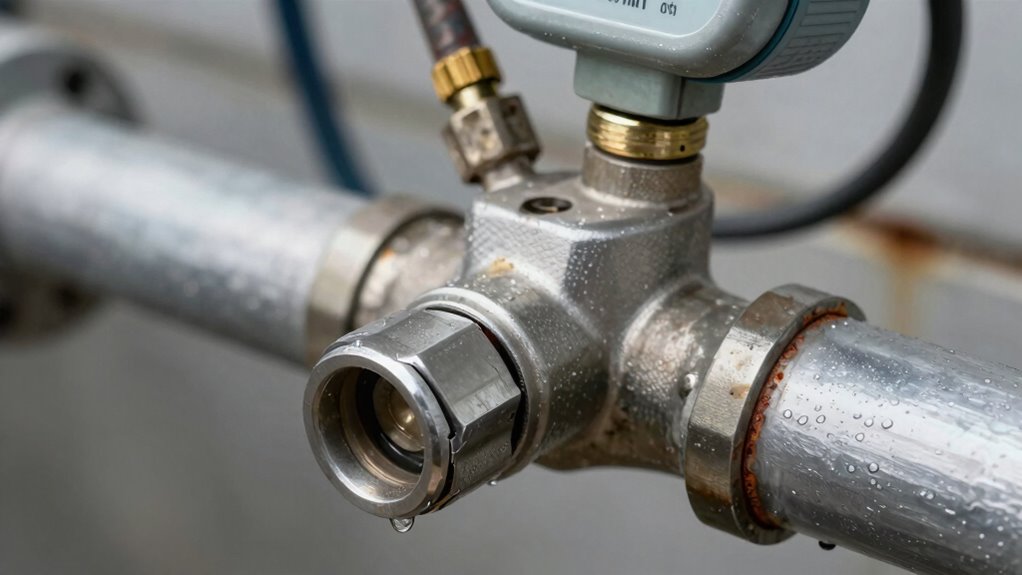
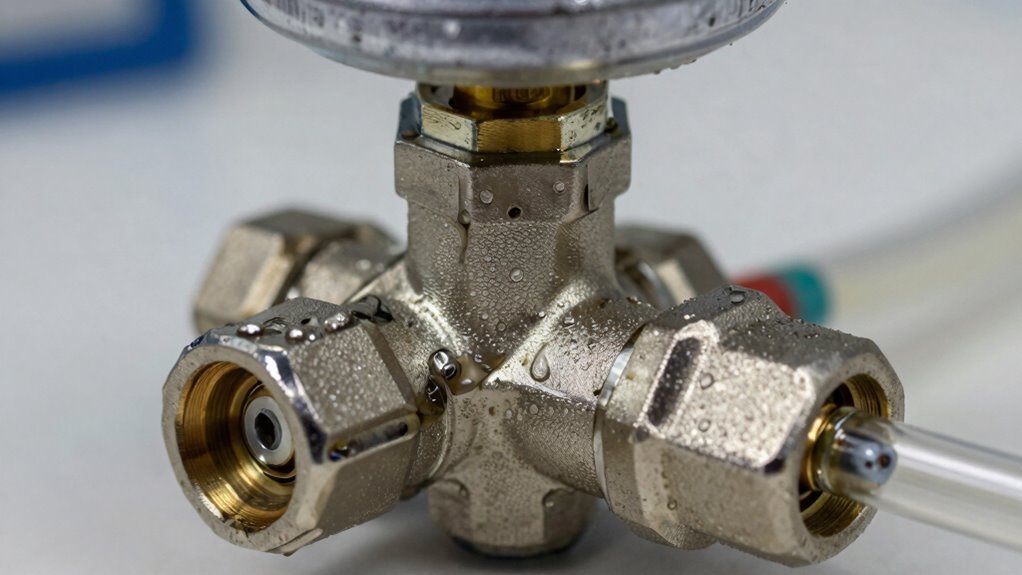
A faulty pressure regulator can cause irregular pressure levels by either failing to maintain consistent output or by causing pressure spikes. These issues often appear suddenly, making it tempting to jump straight to filter replacement or system overhaul. But before you do, consider inspecting the regulator. Regular maintenance best practices include checking for signs of wear, such as leaks, corrosion, or damaged diaphragms, which can all impair its function. Often, simple adjustments or timely replacements of the pressure regulator can restore proper flow and pressure stability without the need for more invasive or costly repairs. Understanding how system components interact can help you better diagnose and resolve pressure issues efficiently. Additionally, being familiar with common system malfunctions can prepare you to identify and address issues promptly.
In many cases, troubleshooting begins with verifying the regulator’s settings and ensuring it’s functioning correctly. If you notice the pressure fluctuates despite clean filters and proper system operation, it’s a sign that the regulator might be malfunctioning. Replacing or repairing it can be surprisingly straightforward and affordable, especially compared to ongoing filter replacements and system downtime caused by misdiagnosed filtration issues. Implementing routine inspections of your pressure regulator as part of your maintenance best practices can catch problems early, saving both time and money. Additionally, understanding the operation principles of your system can guide you in identifying whether the regulator or other components are at fault. Being aware of system component interactions can also help prevent future issues and extend the lifespan of your equipment.
Cost-effective solutions come from understanding the root cause of pressure issues. Instead of immediately replacing filters or components that appear clogged, test the regulator first. This approach prevents unnecessary expenses and reduces waste. Remember, a well-maintained pressure regulator contributes to overall system efficiency, prolongs your equipment’s lifespan, and minimizes operational disruptions. Incorporating regular checks into your maintenance schedule, along with timely repairs or replacements of faulty parts, can prevent costly breakdowns and keep your system running smoothly.
pressure regulator replacement kit
As an affiliate, we earn on qualifying purchases.
As an affiliate, we earn on qualifying purchases.
Frequently Asked Questions
How Can I Distinguish Between Regulator and Filter Issues Visually?
You can distinguish regulator and filter issues through visual inspection and component comparison. Check the regulator for signs of leaks, corrosion, or damaged parts around the adjustment knob or pressure gauge. For filters, look for clogging, discoloration, or debris buildup on the filter element. Comparing both components side by side helps you identify which part shows wear or damage, guiding you to the right repair or replacement.
What Tools Are Needed for Diagnosing Pressure Regulator Problems?
To diagnose pressure regulator problems, you’ll need a pressure gauge to check output pressure, a sensor calibration tool to guarantee accurate readings, and a screwdriver for valve adjustments. Start by measuring the pressure with the gauge, then calibrate the sensor if readings seem off. If pressure isn’t within specs, adjust the valve carefully. These tools help you pinpoint whether the regulator’s malfunctioning or if calibration or valve adjustments are needed.
Are There Specific Signs Indicating a Regulator Problem Versus a Filtration Problem?
Ever notice erratic pressure fluctuation or sudden drops in flow? That’s your first clue it might be a regulator problem, not a clogged filter. When it’s a pressure regulator, you’ll see inconsistent pressure levels despite clean filters. But if flow restriction is the issue, filters are dirty or blocked. Recognizing these signs helps you target the real problem, saving time and avoiding unnecessary part replacements.
How Often Should Pressure Regulators and Filters Be Inspected or Replaced?
You should follow maintenance schedules and replacement guidelines for pressure regulators and filters regularly. Inspect them at least every 3 to 6 months, especially if your system experiences heavy use or pressure fluctuations. Replace filters annually or sooner if they show signs of clogging or contamination. Pressure regulators generally need inspection every 6 to 12 months, with replacements based on manufacturer recommendations or noticeable performance issues. Regular checks guarantee peak system function and prevent costly failures.
Can Environmental Factors Cause These Issues Simultaneously?
Yes, environmental factors like poor air quality and temperature fluctuations can cause pressure regulator and filtration issues simultaneously. You might notice inconsistent pressure or clogging because pollutants or moisture in the air affect performance. Temperature swings can cause condensation, leading to contamination and corrosion. To prevent these problems, regularly monitor environmental conditions, use suitable filters, and maintain your equipment to guarantee peak operation despite changing surroundings.
As an affiliate, we earn on qualifying purchases.
Conclusion
So, next time your system acts up, don’t rush to blame the filter. Sometimes, that nagging pressure issue is just a sneaky regulator playing tricks on you. Ironically, all that fuss over clogged filters might just be a red herring, while the real culprit lurks behind the scenes. Keep your eyes open—sometimes, the simplest fixes are hiding right where you least expect, proving that the real troublemaker wasn’t the filter after all.
As an affiliate, we earn on qualifying purchases.
automatic water pressure regulator
As an affiliate, we earn on qualifying purchases.
As an affiliate, we earn on qualifying purchases.
NFL season / tailgating Picks
team gear
As an affiliate, we earn on qualifying purchases.