
A whole-house reverse osmosis system provides excellent water quality, but it often wastes a lot of water—up to 3-4 gallons for every gallon filtered. This high water discard can raise environmental concerns and increase your water bills, especially in areas with limited supply. Plus, the system consumes energy and requires ongoing maintenance, adding to costs. If you’re curious about balancing water use and efficiency, there’s more to evaluate below.
Get ready for Prime Big Deal Days — try Prime free
Exclusive member deals on October 6–7, plus fast free delivery. Cancel anytime.
As an affiliate, we earn on qualifying purchases.
Key Takeaways
- Whole-house RO systems produce significant wastewater, often 3-4 gallons per filtered gallon, raising sustainability and environmental concerns.
- High water waste can lead to increased water bills, especially in areas with limited water supply.
- The water demand of large RO systems may surpass household needs, causing inefficiency and unnecessary waste.
- Operating a whole-house RO consumes considerable energy, adding to operational costs and carbon footprint.
- Maintenance, filter replacements, and water waste impact long-term costs and system sustainability.
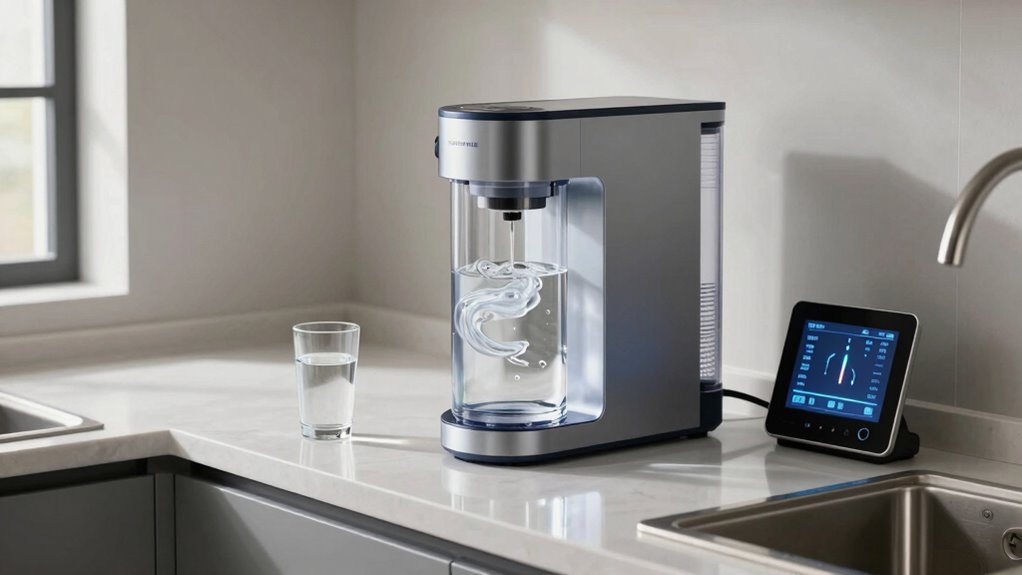
A whole-house reverse osmosis (RO) system sounds like an ideal solution for pure, filtered water throughout your home, but before you get excited, it’s important to understand the water demand involved. These systems are known for their ability to remove contaminants and improve water quality, but they also come with some significant considerations. One of the biggest concerns is water waste. RO systems typically produce a lot of wastewater—often three to four gallons for every gallon of clean water. This means that while you get high-quality water, a substantial amount is discarded, which can be wasteful and environmentally unfriendly. If you’re mindful of water conservation, this high water waste ratio might make a whole-house RO system less appealing.
Whole-house RO systems produce significant wastewater—up to four gallons for every gallon of filtered water, raising environmental concerns.
In addition to water waste, you need to factor in the energy consumption of such a system. Reverse osmosis units require energy to operate pumps and filters, and the larger the system, the more power it consumes. Running a whole-house RO system can greatly increase your household’s energy bills, especially if it’s in constant use. This added energy demand isn’t just an expense; it also contributes to your home’s overall carbon footprint. If energy efficiency is a priority for you, this could be a strong reason to rethink a whole-house RO setup or explore alternative water treatment options. Moreover, the energy consumption of these systems can vary significantly depending on the size and complexity of the unit, which impacts operational costs over time. It’s also important to consider how the system’s Operational efficiency influences long-term sustainability and costs.
You also have to reflect on the maintenance and operational costs. The filters need regular replacement, and the system’s membranes can wear out over time, which adds to ongoing expenses. The initial investment for a whole-house RO system is not small, and considering the water waste and energy consumption can make it even more costly in the long run. It’s worth asking yourself whether the benefits of having perfectly filtered water everywhere outweigh these costs and environmental impacts. Operational efficiency is an essential factor to consider when evaluating the overall sustainability of such a system. Additionally, understanding your specific water quality needs can help determine if a whole-house RO is the most suitable solution for your household, especially when weighing environmental factors.
whole house reverse osmosis water filter system
As an affiliate, we earn on qualifying purchases.
As an affiliate, we earn on qualifying purchases.
Frequently Asked Questions
How Long Does a Whole-House RO System Typically Last?
A whole-house RO system typically lasts around 10 to 15 years, depending on your water purification needs and system durability. Regular maintenance and timely filter replacements are essential to prolong its lifespan. You should also monitor water quality and pressure, as these factors impact system performance and longevity. Proper care ensures your system continues effectively providing clean water for your entire home for years to come.
What Are the Maintenance Costs for a Whole-House RO System?
You’ll spend about $200 to $300 annually on maintenance costs for your whole-house RO system. That includes filter replacements, membrane changes, and occasional system checks. Cost considerations play a big role in system efficiency, as neglected maintenance can reduce water quality and increase energy use. Regular upkeep guarantees your system runs smoothly and efficiently, ultimately saving you money and ensuring clean water for your entire household.
Can a Whole-House RO System Remove All Contaminants?
A whole-house RO system can remove many contaminants, improving your water’s safety and taste, but it might not eliminate all pollutants, especially some chemicals or dissolved gases. Its filtration efficiency depends on the system’s design and maintenance. To guarantee thorough contaminant removal, consider supplemental filtration methods, like activated carbon filters, alongside your RO system. Regular upkeep is essential to maintain peak filtration efficiency and water quality.
How Does Water Demand Vary Seasonally?
Water demand varies seasonally because of changes in water usage patterns and seasonal fluctuations. In summer, you might use more water for gardening, filling pools, and increased outdoor activities, raising your overall demand. Conversely, in winter, outdoor water use drops, and demand decreases. Understanding these fluctuations helps you plan for your whole-house RO system’s capacity, ensuring it meets your needs year-round without overloading or underperforming during peak or low-demand seasons.
Is a Larger Storage Tank Necessary for High Water Demand?
A larger storage tank is essential if your water demand exceeds 50 gallons per day, ensuring consistent supply. Increased storage capacity helps maintain steady water pressure during peak usage, preventing fluctuations that can compromise filtration efficiency. Without enough storage, your system may struggle to meet demand, especially during high-use seasons. So, if you experience frequent water shortages, upgrading your tank size can optimize performance and keep water pressure stable.
As an affiliate, we earn on qualifying purchases.
Conclusion
Before you decide on a whole-house RO system, remember it’s like planting a mighty tree—you’ll enjoy its shade, but you must also tend its roots. Its water demand can drain your resources, leaving your household craving for more. Think of it as a delicate balance between the promise of pure water and the reality of your water supply’s resilience. Only then can you truly appreciate whether the beauty of this system is worth the effort it demands.
energy-efficient reverse osmosis water filter
As an affiliate, we earn on qualifying purchases.
As an affiliate, we earn on qualifying purchases.
low waste reverse osmosis water filter
As an affiliate, we earn on qualifying purchases.
As an affiliate, we earn on qualifying purchases.
Fall Picks
fall essentials
As an affiliate, we earn on qualifying purchases.