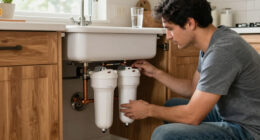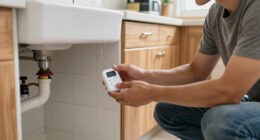

If your water bills are consistently high compared to others in your area and stay high over several months, your home might have high water demand. Look for signs like leaks, fixtures that frequently run out of water, and plumbing strain. Be mindful of habits like long showers or excessive lawn watering. Fluctuating water pressure and signs of pipe wear also indicate increased demand. Keep exploring to uncover more ways to identify and manage your home’s water needs effectively.

Get home appliances delivered free with Prime
- Fast, free delivery on millions of items
- Prime Video, Amazon Music and more included
- Member-only deals all year
Key Takeaways
- Consistently high water bills compared to neighborhood averages indicate increased water demand.
- Frequent leaks or fixture wear suggest plumbing inefficiencies driving up water usage.
- Long showers, frequent appliance use, and excessive lawn watering reflect high consumption habits.
- Fluctuating water pressure or signs of plumbing strain point to high water demand issues.
- Poor system maintenance or corroded pipes can cause inefficiencies, increasing overall water demand.
If you notice your water bills are consistently high or your fixtures frequently run out of water, your home might be a high-demand water house. This usually indicates that your water usage is higher than average, which can strain your plumbing system and lead to inefficiencies. When your home demands a lot of water, it’s essential to assess whether your plumbing is operating efficiently or if there are underlying issues causing waste. High water demand can stem from numerous factors, such as outdated fixtures, leaks, or even habits that lead to excessive water use.
To determine if your home is a high-demand water house, start by paying attention to your water consumption patterns. Check your water bills over several months—if they’re considerably above average for your area, it’s a clear sign your plumbing system is handling more water than it should. Next, examine your fixtures—faucets, toilets, showers, and appliances—looking for leaks or signs of wear. Small leaks, like a dripping faucet or a constantly running toilet, can dramatically increase water usage without you realizing it. These leaks not only waste water but also reduce your plumbing efficiency, forcing your system to work harder to supply water to your household.
Monitor your water bills and check fixtures for leaks to identify high water demand in your home.
Another way to gauge if your home has high water demand is by observing your daily habits. Do you take long showers, run the dishwasher multiple times a day, or water your lawn excessively? These behaviors contribute to increased water usage and may indicate areas where you can cut back to improve overall efficiency. If you find that your water fixtures are old or outdated, upgrading to modern, water-saving models can noticeably reduce your household’s demand. These fixtures are designed to maximize flow while minimizing water waste, helping your plumbing system work more efficiently.
Additionally, consider the condition of your plumbing infrastructure. Corroded pipes or clogged filters can impede water flow, forcing your system to work harder to meet household needs. Regular maintenance and inspections can catch these issues early, improving plumbing efficiency and reducing unnecessary water consumption. If you notice your fixtures constantly run out of water or your pressure fluctuates, these could be signs that your home’s water demand exceeds your system’s capacity, or that your plumbing needs an upgrade. Recognizing high water demand as a key factor can help you address potential issues before they become costly problems. Moreover, understanding water pressure fluctuations can provide insights into underlying plumbing issues that contribute to high water demand. Regularly monitoring your water pressure levels can help you identify hidden leaks, which are often the cause of unexpected water consumption. Addressing these concerns promptly can also prevent the development of water-related problems, saving you money and hassle in the long run.
Furthermore, being aware of water conservation practices can be instrumental in managing and reducing overall water demand in your home.
As an affiliate, we earn on qualifying purchases.
Frequently Asked Questions
What Signs Indicate a High Water Demand in My Neighborhood?
You can tell there’s high water demand in your neighborhood if your water bills are consistently high or if neighbors are frequently watering lawns and gardens. Notice if landscaping habits include large, lush greenery or frequent outdoor watering. To reduce usage, follow water conservation tips like watering early mornings and fixing leaks promptly. These signs reveal a community’s water demand, helping you adjust your habits and conserve resources effectively.
How Does High Water Demand Affect My Water Bill?
Think of your water bill as a mirror reflecting your water demand, much like a lighthouse signals ships. When demand is high, your bill climbs because more water is being used daily. To manage this, practice water conservation and perform billing analysis to identify leaks or excess use. This way, you can reduce costs and help conserve resources, ensuring your water bill stays manageable even in a high-demand neighborhood.
Can a High-Demand Water House Impact Local Water Supplies?
Yes, a high-demand water house can impact local water supplies, especially during droughts or dry seasons. Your water use affects the community’s overall water availability, making water conservation essential. By reducing unnecessary water consumption, you help lessen strain on local resources, supporting community sustainability. This collective effort guarantees everyone has reliable access and minimizes environmental impact, fostering a healthier, more resilient water supply for future generations.
Are There Specific Appliances That Increase Water Demand?
Yes, certain appliances can boost your water demand. High-efficiency washers and dishwashers use less water, but older models tend to consume more. Toilets with high flush volumes also increase demand, especially if they’re not water-saving devices. Showers, especially if you have multiple, can add up quickly. Upgrading to appliance efficiency models and installing water-saving devices helps reduce overall water use and eases the strain on local supplies.
How Can I Reduce Water Usage in a High-Demand Household?
To reduce water usage in a high-demand household, focus on water conservation and leak detection. Install low-flow fixtures, fix leaks promptly, and use appliances efficiently. Encourage family members to take shorter showers and run dishwashers or laundry machines only when full. Regularly check for leaks in toilets, faucets, and pipes to prevent water waste. These steps help lower your water bills and conserve this essential resource effectively.
As an affiliate, we earn on qualifying purchases.
Conclusion
So, next time you notice your water bills spiking or your fixtures running unexpectedly, it might just be a coincidence—your home quietly demanding more water than it seems. Keep an eye on patterns, but remember, sometimes the smallest signs reveal the biggest needs. By staying observant, you’re not just saving money—you’re ensuring your home stays comfortable and efficient. After all, isn’t it amazing how a little thing like water usage can tell you so much?
toilet leak detection dye tablets
As an affiliate, we earn on qualifying purchases.
As an affiliate, we earn on qualifying purchases.
As an affiliate, we earn on qualifying purchases.
Halloween Picks
halloween
As an affiliate, we earn on qualifying purchases.