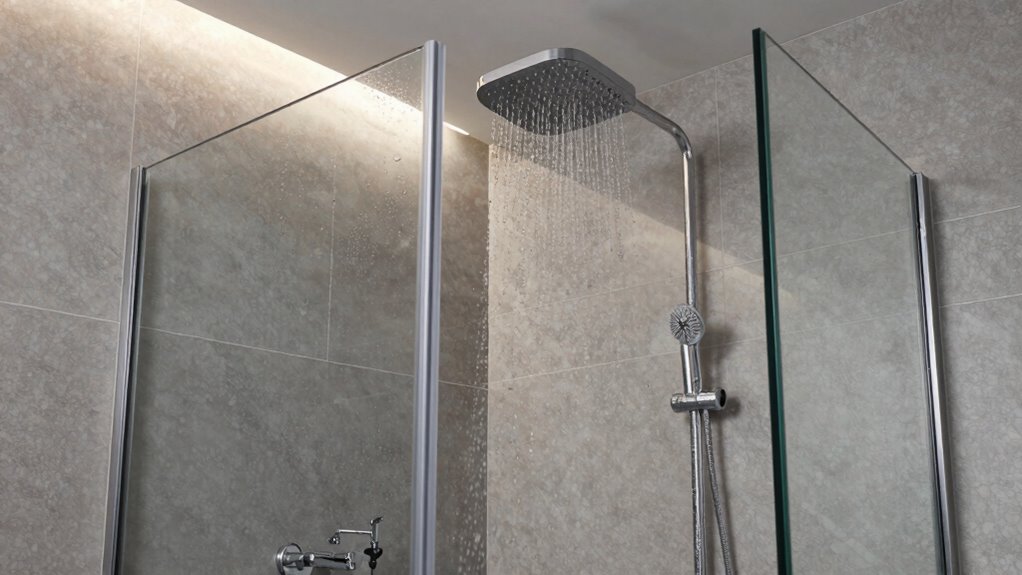

After a new whole-house plumbing upgrade, you may notice changes in your shower’s pressure, flow, or temperature. These shifts happen because the new system can increase water pressure or alter flow rates, making showers feel more powerful or inconsistent. Sometimes, issues like pipe obstructions, improper valve settings, or mismatched water heaters can cause fluctuations. Understanding how system design impacts these factors helps you improve performance—keep exploring to learn how to get your perfect shower experience.
Play games included with Prime
Start a Prime free trial and play with Amazon Luna on your devices.
As an affiliate, we earn on qualifying purchases.
Key Takeaways
- Upgrading plumbing can alter water pressure, affecting shower strength and flow consistency.
- Changes in flow rate may cause fluctuations in water temperature during showers.
- New systems might introduce noise or vibrations due to pressure imbalances or inadequate insulation.
- Improperly balanced valves or obstructions can lead to irregular water flow and temperature issues.
- System design adjustments are often needed to optimize performance and ensure stable shower conditions.
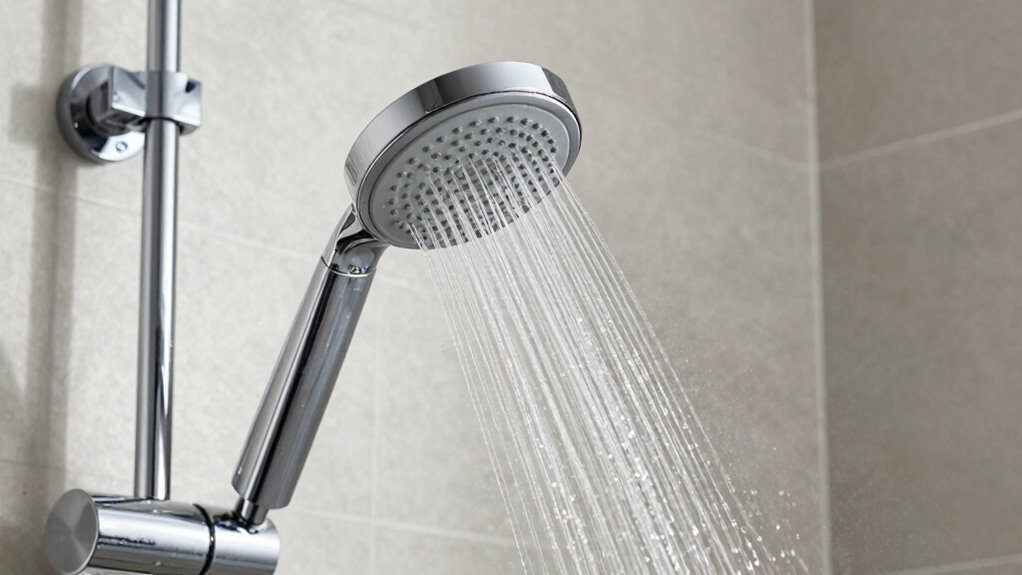
When you upgrade your entire home’s plumbing system, you might notice that your shower behaves differently, and that’s because a new whole-house setup can substantially impact water pressure, flow, and temperature consistency. These changes are often immediate and noticeable, especially if your previous system had limitations or irregularities. A new system aims to improve overall performance, but it can also introduce unexpected variations in your shower experience.
One of the most common adjustments you’ll notice involves water pressure. If your old plumbing was clogged or had narrow pipes, the flow may have been sluggish or uneven. With a new setup, water pressure can increase, making your shower feel more powerful and invigorating. Conversely, if your home’s main water supply isn’t capable of supporting higher pressure, you might experience a drop in flow rate. This could feel like the water is coming out weak, which can be frustrating. To optimize water pressure after a system upgrade, you may need to install pressure regulators or check for any obstructions in the pipes.
Temperature stability is another key area affected by a whole-house plumbing upgrade. Previously, you might have experienced fluctuations where the water suddenly became hotter or colder during your shower. With a new system, you expect more consistent temperature control, but if you notice sudden changes, it could be due to improperly balanced valves or issues with your water heater. A well-designed plumbing setup will ensure that hot water is delivered steadily, preventing those annoying temperature swings. If you continue to face temperature instability, it may be necessary to adjust your mixing valves or upgrade your water heater to match the new piping configuration. Additionally, understanding how plumbing system design influences overall performance can help you identify and address these issues effectively.
In some cases, the change in water pressure and temperature stability can also lead to increased noise or vibrations during use. These sounds often indicate that the flow rate is not properly balanced or that certain pipes need insulation. Properly adjusting or balancing the system can eliminate these disturbances, making your shower more comfortable and predictable. Recognizing how water flow dynamics impact your plumbing system can help you troubleshoot and improve overall performance. Paying attention to system balancing can also help prevent long-term damage and ensure a quieter, more efficient operation.
As an affiliate, we earn on qualifying purchases.
Frequently Asked Questions
Can a New Plumbing System Cause Fluctuations in Water Temperature?
Yes, a new plumbing system can cause fluctuations in water temperature. Changes in water flow and pipe material play a role, as different materials like copper or PEX conduct heat differently. When the water flow varies, it affects the water temperature in your shower. Additionally, new pipes may have different diameters or insulation, which can cause inconsistent water temperature, especially if your system isn’t properly balanced or installed.
Will My Water Pressure Improve or Decline After Installation?
Your water pressure might improve or decline after installation, depending on your system’s setup. You could notice better water flow if the new pipes are wider or more efficient, but pipe noise might increase if connections are loose or improperly fitted. It is crucial to monitor your water pressure and listen for unusual noises, as these signs can indicate whether your new plumbing enhances or hampers your overall water performance.
How Long Does It Take for the Shower to Stabilize?
Your shower typically stabilizes within a few minutes after a new whole-house setup. During this time, you might notice water temperature fluctuations due to the system adjusting. Pipe material effects, like copper or PEX, can influence how quickly temperatures settle. Be patient; once the system adjusts, your water temperature should remain consistent, providing a comfortable shower experience. If fluctuations persist, check for issues with the new plumbing setup.
Are There Specific Maintenance Tips for a New Whole-House Setup?
A stitch in time saves nine, so stay ahead with regular maintenance. Check your pipe insulation to prevent heat loss and keep your system efficient. Regularly inspect for leaks and perform leak detection to catch issues early. Keep filters clean and flush the system periodically to prevent buildup. These simple steps help your whole-house setup run smoothly, ensuring long-lasting performance and saving you money on repairs.
Can New Plumbing Affect the Water’s Mineral Content or Taste?
New plumbing can definitely affect water mineralization, which in turn influences taste alteration. When your system is replaced or repaired, new pipes or filters might introduce different minerals or remove certain ones, changing the flavor of your water. You might notice a metallic or earthy taste, or even a slight difference in mineral content. To maintain water quality, consider installing a water softener or filtration system tailored to your mineralization needs.
As an affiliate, we earn on qualifying purchases.
Conclusion
Think of your new whole-house setup as a fresh canvas, one that transforms your daily routine into a renewed ritual. The shower, once simple, now reflects a deeper harmony within your home’s plumbing symphony. As the water flows differently, it’s like tuning an instrument—each note, each drop, becoming part of a larger melody. Embrace this change, for it’s a symbol of your home’s evolving story, where every detail plays an essential role in your daily harmony.
As an affiliate, we earn on qualifying purchases.
whole house plumbing pressure gauge
As an affiliate, we earn on qualifying purchases.
As an affiliate, we earn on qualifying purchases.
NFL season / tailgating Picks
team gear
As an affiliate, we earn on qualifying purchases.