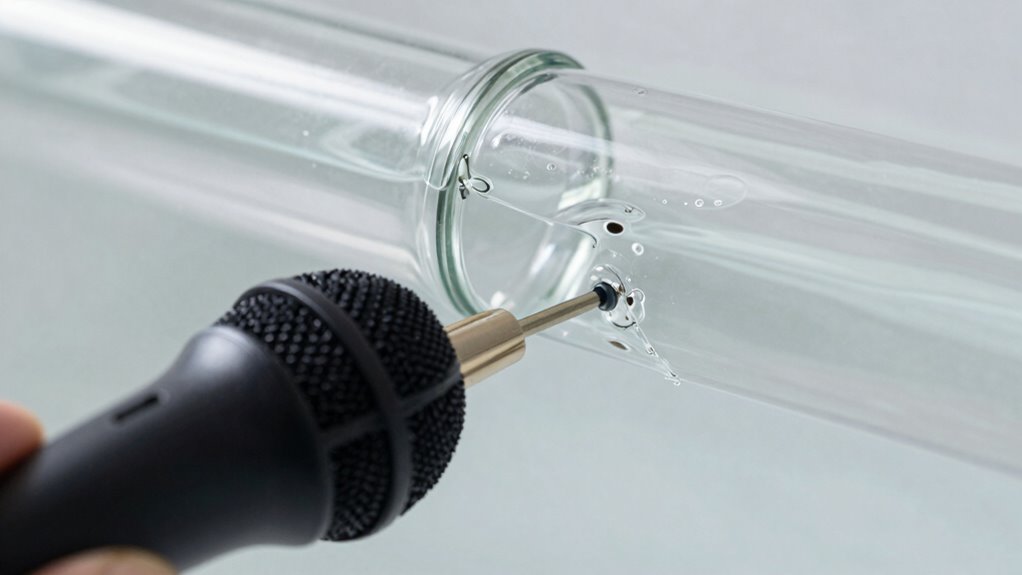

You’ll get the best results with acoustic leak tools when you have a clear water baseline because it provides a steady reference to distinguish leak sounds from normal flow and operational noises. A stable baseline makes it easier to detect small leaks accurately and reduces false alarms caused by background noise. Consistent water pressure and quiet conditions help improve sound clarity, making pinpointing leaks much more precise. Keep going to discover how understanding these factors can boost your leak detection success.

Get home appliances delivered free with Prime
- Fast, free delivery on millions of items
- Prime Video, Amazon Music and more included
- Member-only deals all year
Key Takeaways
- A clear water baseline allows accurate differentiation between leak sounds and normal operational noises.
- Stable water flow enhances the consistency of acoustic signals, improving detection reliability.
- Minimal background noise reduces false positives and helps isolate true leak sounds.
- Understanding sound transmission through pipe materials improves the effectiveness of acoustic detection.
- Consistent conditions and pressure establish a reliable reference, enabling quicker and more precise leak pinpointing.
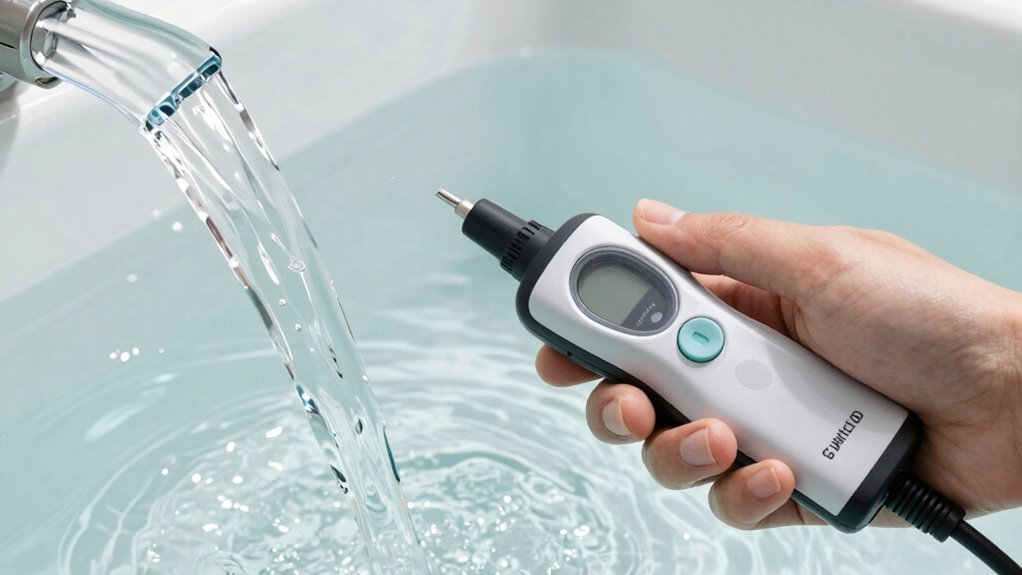
Have you ever wondered how leaks in pipes or structures are detected so accurately? It’s a fascinating process that relies heavily on understanding the conditions inside the pipe, especially the water baseline. When using acoustic leak tools, having a clear water baseline makes all the difference. These tools work by listening for the sounds created by escaping water, but their accuracy depends on how well you can distinguish those sounds from background noise. If the water flow is steady and the baseline is clear, you can pinpoint leaks with much greater precision.
One key factor that influences the effectiveness of acoustic leak detection is the pipe material. Different materials, like cast iron, PVC, or copper, transmit sound differently. Some materials tend to dampen sounds, making leaks harder to hear, while others transmit sound more clearly. Knowing the pipe material helps you interpret the acoustic signals better. If you don’t have a solid baseline — meaning, if the water flow is inconsistent or if there’s a lot of noise interference — it becomes *especially* more challenging to identify the leak. You might mistake normal operational sounds for leaks or overlook actual ones because the background noise masks the signals.
Noise interference is a common obstacle when using acoustic leak tools. External sounds from nearby traffic, machinery, or even other plumbing systems can muddy the acoustic environment. Without a clear water baseline, it’s easy to get false positives or miss leaks altogether. That’s why ensuring the water flow is steady and the environment is as quiet as possible improves detection accuracy. When you establish a reliable baseline, the subtle sounds caused by water escaping through a crack stand out more distinctly against the background noise. Controlling noise interference can significantly improve your chances of accurate detection. Additionally, understanding how sound transmission varies with different pipe materials can help optimize your approach. Recognizing the importance of signal clarity can also lead to more effective troubleshooting. Moreover, maintaining consistent water pressure contributes to a more stable water baseline, which is crucial for precise leak detection.
Having a clear water baseline acts as your reference point. It helps you discern the specific sounds associated with leaks from everyday operational noises or external interference. This clarity is especially *vital* when working with different pipe materials, as some materials might naturally amplify or dampen sound. By controlling noise interference and understanding the pipe’s material properties, you can *greatly* enhance the accuracy of acoustic leak detection. Additionally, understanding the water baseline can guide you in adjusting your detection techniques for different environments or pipe conditions. Ultimately, the more consistent and noise-free your baseline, the more confident you can be in identifying and locating leaks quickly and precisely.
As an affiliate, we earn on qualifying purchases.
Frequently Asked Questions
Can Acoustic Leak Tools Detect Leaks in Contaminated or Polluted Water?
Yes, acoustic leak tools can detect leaks in contaminated or polluted water, but their effectiveness depends on the leak sensitivity and the level of contamination. Contaminated water can muffle or distort sound signals, making detection more challenging. However, with high leak sensitivity, these tools can still identify leaks by amplifying subtle sounds. Proper calibration and advanced equipment improve detection accuracy even in polluted water environments.
How Does Water Temperature Affect Acoustic Leak Detection Accuracy?
Imagine tuning a radio; as water temperature changes, your acoustic sensitivity shifts, making leak detection trickier. Higher water temperatures reduce acoustic signal clarity, decreasing detection accuracy, while cooler water enhances it. Water temperature directly impacts the speed and clarity of sound waves, so maintaining a consistent temperature or understanding its effects helps you pinpoint leaks more precisely. Adjust your tools accordingly for reliable results regardless of water temperature fluctuations.
Are Acoustic Leak Tools Effective in Detecting Leaks in Plastic Pipes?
Yes, acoustic leak tools are effective for detecting leaks in plastic pipes. You use leak sound analysis to pinpoint where the leak is occurring, even in plastic materials that don’t conduct sound well. By listening carefully to the leak sounds, you can identify issues precisely. Just make certain you have a clear water baseline, as it improves the accuracy of plastic pipe detection, making your inspections more reliable and efficient.
What Maintenance Is Required for Acoustic Leak Detection Equipment?
You should regularly perform calibration procedures to guarantee your acoustic leak detection equipment stays accurate, especially after heavy use or transport. Additionally, check the equipment’s durability by inspecting cables, sensors, and batteries for wear and tear. Proper maintenance, including cleaning and storing the device properly, helps prolong its lifespan. Keeping your tools well-maintained guarantees reliable leak detection and prevents costly repairs or replacements down the line.
Can Acoustic Leak Tools Identify the Exact Location of a Leak?
Yes, acoustic leak tools can pinpoint the exact leak location. You listen for leak sounds transmitted through water pressure, which helps you identify the precise spot. When water pressure is stable and the water baseline is clear, it becomes easier to distinguish the leak sound from background noise. This makes acoustic methods highly effective, especially when you have a good understanding of water pressure and a consistent water baseline.
As an affiliate, we earn on qualifying purchases.
Conclusion
Using acoustic leak tools with a clear water baseline isn’t just about accuracy; it’s about trusting your senses and data. When you start with a transparent reference, you can better detect subtle sounds and pinpoint leaks more effectively. It’s a reminder that clarity upfront leads to better results downstream. In the end, embracing transparency in your methods mirrors the importance of honesty and precision in all your investigations—because true understanding begins with a clear foundation.
As an affiliate, we earn on qualifying purchases.
water pressure gauge for plumbing
As an affiliate, we earn on qualifying purchases.
As an affiliate, we earn on qualifying purchases.
Columbus Day / Indigenous Peoples' Day Picks
long weekend sales
As an affiliate, we earn on qualifying purchases.