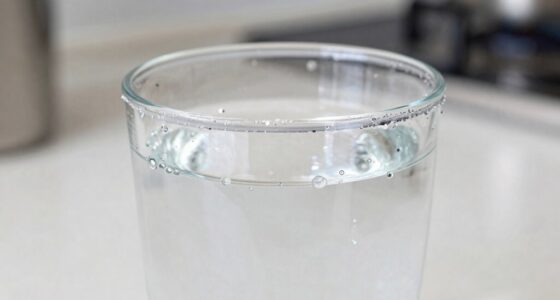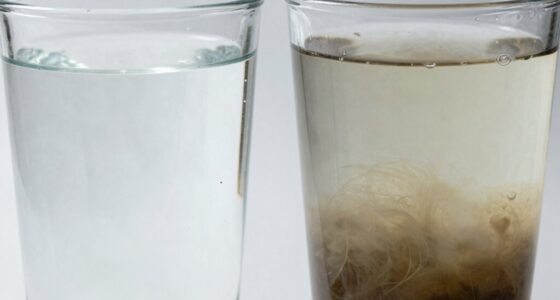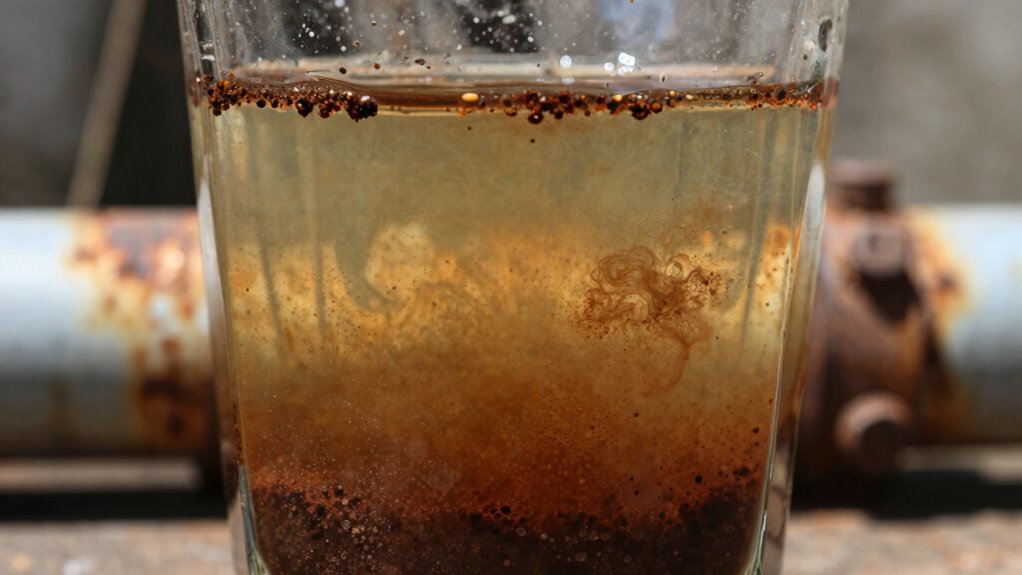

Rusty water usually means there’s iron or manganese in your supply or your pipes are corroding, especially if they’re old galvanized steel. When pipes degrade, rust particles get into your water, causing discoloration that can look reddish or brownish. Sometimes, plumbing work or hot water use stirs up these minerals, making the issue more noticeable. To understand the exact cause and find solutions, keep exploring what might be affecting your water quality.

Get home appliances delivered free — and shop member deals
- Fast, free delivery on millions of items
- Access to Prime Big Deal Days deals on October 6–7
- Prime Video, Amazon Music and more included
Key Takeaways
- Rusty water often indicates iron or manganese particles leaching from corroded pipes or natural mineral deposits.
- Old galvanized steel pipes are prone to rust over time, causing discoloration and particles in water.
- Manganese can darken water and cause a more opaque, blackish tint, differing from iron’s reddish hue.
- Plumbing activities or hot water use can disturb accumulated rust, leading to temporary discoloration.
- Regular testing and pipe replacement with corrosion-resistant materials help prevent and resolve rusty water issues.
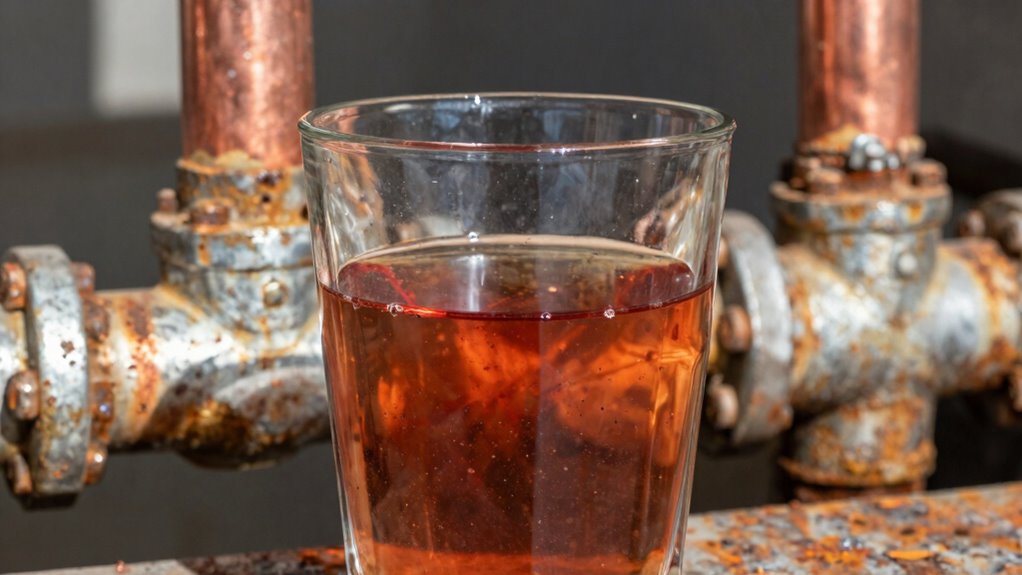
If your tap water has a reddish or brownish tint, you’re likely dealing with rusty water. This water discoloration often points to high levels of iron or manganese in your supply, but it can also be a sign of pipe corrosion. When pipes corrode over time, they release rust particles into the water, causing that unmistakable color change. The presence of rust is usually harmless in small amounts, but it can stain fixtures and laundry, and it might indicate a more significant plumbing issue. Proper water testing can help determine the exact minerals or contaminants responsible for the discoloration. Rusty water is frequently a result of pipe corrosion, especially in older plumbing systems made from galvanized steel. Over years of use, the protective zinc coating on these pipes deteriorates, exposing the iron underneath to water and oxygen. As the metal reacts, it forms rust, which then leaches into your water supply. The process accelerates with factors like high acidity or water with low mineral content, making corrosion more aggressive. When pipes corrode, the rust particles are released into your water, leading to that discolored appearance. This is often more noticeable after plumbing work, during hot water use, or when the water has been sitting in the pipes for a while. Water discoloration caused by rust isn’t always a sign of a serious health threat, but it can be an indication that your pipes are deteriorating. If you notice that the rusty water appears sporadically, especially after repairs or changes in water pressure, it’s a sign to inspect your plumbing. In some cases, old pipes can develop pinhole leaks or other issues, allowing rust particles and even bacteria to enter your water. The presence of manganese can also cause water discoloration and may give a slightly darker or more opaque appearance. Manganese levels can be higher in well water or areas with specific mineral compositions, further contributing to water discoloration. To address rusty water, it’s important to identify the source. If the problem stems from pipe corrosion, replacing old pipes with modern, corrosion-resistant materials like copper or PEX can solve the issue long-term. Flushing your plumbing system, installing filters, or using water treatment systems designed to remove iron and manganese can also help improve water clarity. Regular maintenance and inspections are key, especially if you notice persistent discoloration or stains. While rusty water may not always pose a health risk, it should never be ignored, as it signals underlying issues with your plumbing or water quality that need attention.
Frequently Asked Questions
Can Rusty Water Cause Health Issues?
Rusty water can cause health risks if ingested regularly, especially due to water contamination with iron or manganese. While small amounts usually aren’t harmful, prolonged exposure might lead to stomach issues or skin irritation. If you notice persistent rusty water, it’s essential to address the source to prevent health issues. Always test your water and consider professional help to guarantee your water supply remains safe and free from harmful contaminants.
How Often Should I Flush My Pipes?
Think of your pipes as a garden needing regular watering. You should flush your pipes every 6 to 8 weeks to keep water fresh and prevent buildup. Regular pipe maintenance and water testing help you detect issues early. If you notice rusty water, increase flushing frequency or consult a professional. Staying consistent guarantees your water remains clean, safe, and clear, much like a well-tended garden flourishing in healthy soil.
Are There DIY Methods to Remove Rust?
Yes, you can try DIY filtration methods like installing a sediment filter or using vinegar and baking soda to loosen rust. Regular flushing may help, but for more stubborn rust, consider pipe replacement if the corrosion is severe. Always guarantee safety precautions, and if DIY methods don’t work, consulting a professional is best. These steps can improve water quality and reduce rust buildup effectively.
Is Rusty Water Safe for Drinking?
Rusty water isn’t safe for drinking because it can contain harmful iron, manganese, or bacteria. To guarantee your water is safe, you should consider water treatment options like filters or softeners. Regular pipe maintenance helps prevent rust buildup, reducing the risk of rusty water. Always test your water if you notice discoloration, and consult a professional for proper treatment solutions to keep your drinking water safe.
When Should I Call a Professional Plumber?
You should call a professional plumber the moment rusty water persists despite basic maintenance. This could signal severe corrosion or pipe deterioration. A plumber can assess your system, recommend corrosion prevention measures, and determine if pipe replacement is necessary. Ignoring these signs risks further damage, water contamination, and costly repairs later. Don’t wait—early intervention guarantees your water stays clean and your plumbing remains reliable.
Conclusion
So, next time you spot that rusty water, don’t panic—it’s probably just iron, manganese, or old pipes doing their thing. Think of it as your home’s vintage charm, like finding a secret message in a bottle. While it’s usually harmless, if it persists, consider calling a plumber or water expert. Remember, even in the age of smartphones and hoverboards, some mysteries, like rusty water, still keep us guessing. Stay curious and stay safe!
Fall Picks
fall essentials
As an affiliate, we earn on qualifying purchases.