
Taste and odor issues in water often come from natural sources like organic decay, minerals, or algae, which release compounds causing earthy, musty, or metallic tastes. Microbial activity, such as biofilms, can also create musty or swampy smells. Chemical contaminants, pollutants, and corrosion from pipes may introduce off-flavors and odors. Environmental factors like temperature and pH influence these changes too. To understand how these factors intertwine and how to address them, keep exploring these common causes.
Key Takeaways
- Natural decomposition of organic matter and minerals from rocks contribute earthy, musty, and metallic tastes and odors.
- Microbial activity and biofilm formation in pipes release compounds causing swampy, rotten egg, or musty odors.
- Chemical residues from pesticides, cleaning agents, or pollutants can create off-flavors and unpleasant smells.
- Environmental factors like water temperature, pH, and mineral content influence the intensity and type of taste and odor.
- Proper treatment methods, including activated carbon filtration and oxidation, effectively remove organic and sulfur-related odors.
Common Natural Sources of Taste and Odor

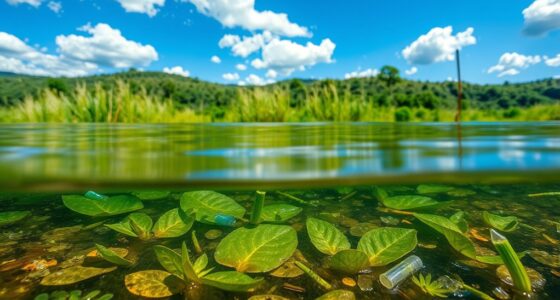
Many natural sources contribute to taste and odor in water, often stemming from the environment or biological activity. Plant decay is a common cause, as decomposing vegetation releases organic compounds that impart earthy or musty flavors. Similarly, mineral leaching occurs when water interacts with rocks and soil, dissolving minerals like iron, manganese, or sulfur compounds, which can create metallic or rotten egg odors. These processes happen naturally in groundwater or surface water sources, especially in areas with abundant plant life or mineral-rich geology. Additionally, remote work can influence how people monitor and respond to water quality issues at home, highlighting the importance of understanding natural contributors. While these factors are harmless in many cases, they can profoundly affect water’s taste and smell. Recognizing plant decay and mineral leaching as natural contributors helps you understand that not all taste and odor issues are due to contamination.
Microbial Activity and Its Impact

Microbial activity can substantially influence the taste and odor of water, often causing noticeable changes that alert you to potential issues. When microbes proliferate, they form biofilms on surfaces like pipes and tanks, creating a habitat for ongoing microbial growth. This biofilm acts as a reservoir for bacteria and other microorganisms, releasing compounds that alter water’s flavor and smell. As microbial proliferation continues, you might notice a musty, earthy, or swampy odor, along with a change in taste. These changes indicate that microbial activity is impacting water quality. Regular maintenance, proper disinfection, and monitoring help prevent excessive biofilm formation and microbial growth, ensuring your water remains clean and free of unpleasant tastes and odors caused by microbial activity. Understanding the life cycle of microbes can help in developing effective strategies to control their growth and maintain water quality.
Chemical Contaminants and Pollutants

Chemical residues from pesticides or cleaning agents can affect the taste and safety of your water. Industrial emissions may introduce pollutants that alter odor and quality. Understanding these sources helps you better identify and manage potential contaminants. Additionally, household items such as home furnishings can sometimes emit volatile organic compounds that influence indoor air quality and taste.
Chemical Residues Effects
Chemical residues from contaminants and pollutants can considerably alter the taste and odor of your food and water. These residues often result from chemical reactions that occur during processing, storage, or exposure to environmental pollutants. Residue buildup can lead to off-flavors and unpleasant smells, making your products less appealing and potentially unsafe. When chemicals accumulate, they may react with natural compounds in food or water, creating new substances that affect sensory qualities. Over time, persistent residue buildup can intensify these effects, making it harder to detect pure flavors. Additionally, filter maintenance plays a crucial role in preventing chemical residues from affecting your consumables. To prevent this, regular cleaning, proper storage, and monitoring of chemical exposure are essential. Recognizing how chemical reactions and residue buildup influence taste and odor helps you maintain better quality and safety in your consumables.
Industrial Emissions Impact
Industrial emissions release a variety of pollutants into the environment, which can then contaminate your food and water sources. These emissions contribute considerably to air pollution, dispersing chemical contaminants that settle on crops, water bodies, and soil. When you consume contaminated water or produce, you may notice strange tastes or odors caused by chemical residues from industrial activities. Heavy metals, volatile organic compounds, and other pollutants can enter your system through inhalation, ingestion, or skin contact. Continuous exposure to air pollution from industrial emissions increases the risk of chemical buildup in your environment. Understanding chemical contaminants and their pathways helps you better recognize and address taste and odor issues linked to chemical contaminants. Reducing exposure requires awareness of nearby industrial activities and advocating for stricter emission controls. Understanding how industrial emissions impact your surroundings helps you better recognize and address taste and odor issues linked to chemical contaminants.
Environmental Factors Influencing Taste and Odor

Environmental factors, such as water temperature, pH levels, and the presence of certain minerals, can markedly influence taste and odor. These factors affect your perception by altering taste thresholds, making certain flavors more or less noticeable. For example, higher mineral concentrations can intensify metallic tastes, while temperature changes may enhance or suppress specific odors. pH levels also play a role, as they can shift the balance of chemical compounds responsible for taste and smell. When conditions favor certain compounds, you might notice stronger or more persistent odors. Conversely, unfavorable conditions can mask or diminish flavors. Additionally, coach experiences and other external influences can shape how environmental factors impact your sensory perception. Understanding these environmental influences helps you recognize why water quality varies and how these factors shape your overall taste and odor perception.
How Plumbing and Infrastructure Affect Water Quality

The condition of your plumbing and infrastructure plays a crucial role in determining water quality and its taste and odor. Pipe corrosion is a common issue that can introduce metallic tastes and unpleasant odors into your water. When pipes corrode, minerals like iron and copper leach into the water, affecting its flavor and aroma. Additionally, water pH levels influence how quickly pipes corrode; acidic or alkaline water accelerates corrosion, increasing the likelihood of taste and odor problems. Proper maintenance and monitoring of your plumbing system help prevent corrosion and maintain stable pH levels. Ensuring your pipes are in good condition and the water’s pH is balanced can profoundly improve water quality, reducing unwanted tastes and odors caused by infrastructure issues. Monitoring water quality is essential for early detection of problems that could compromise taste and odor.
The Role of Organic Matter in Taste and Odor Development

Organic matter, such as decomposing leaves, algae, and plant materials, can notably affect water’s taste and odor. When organic decay occurs in water sources, it releases compounds that create musty, earthy, or swampy odors. Nutrient buildup from this organic decay fuels algae blooms, which further worsen taste issues. To visualize this process, consider the following:
| Organic Decay | Nutrient Buildup | Resulting Odors |
|---|---|---|
| Leaves falling | Excess nitrogen | Earthy smell |
| Algae growth | Phosphates | Musty odor |
| Dead plants | Organic acids | Swampy scent |
| Decay bacteria | Nutrient overload | Unpleasant taste |
| Algal mats | Excess nutrients | Metallic taste |
Understanding this connection helps you address taste and odor problems linked to organic matter.
Recognizing Different Odor Profiles and Their Causes

Have you ever noticed unusual smells in your water supply? Recognizing different odor profiles relies on your sensory perception, which can vary from person to person. Some odors, like earthiness or mustiness, often indicate organic matter breakdown, while chemical-like smells may point to chlorination or industrial pollutants. Cultural associations also influence how you interpret these odors; what smells unpleasant to one person might seem normal to another. Familiarity with common odor profiles helps you identify potential sources quickly. A rotten egg smell usually signals hydrogen sulfide, whereas a fishy odor might suggest algae or organic decay. Additionally, understanding how sound vibrations can influence cellular health and energy flow offers insights into how sensory perceptions might be affected by environmental factors. By understanding these profiles and their typical causes, you can better assess water quality and determine when further investigation or treatment is necessary.
Ways to Detect and Address Taste and Odor Issues
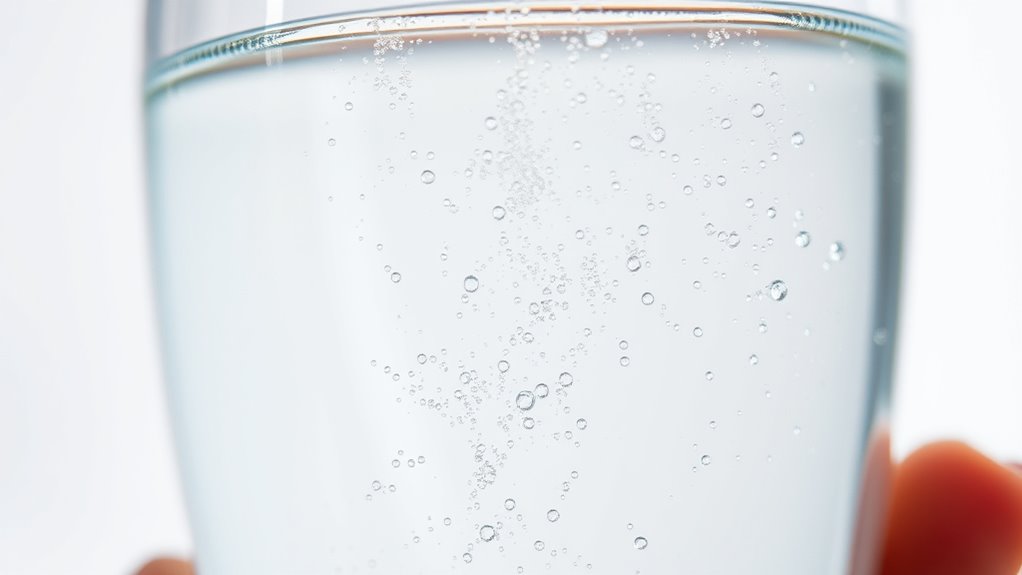
To identify taste and odor problems, start with visual inspections of your water system to spot any visible issues. Next, consider effective treatment options like filtration or chemical treatments to eliminate the causes. By combining careful detection with targeted solutions, you can restore your water’s quality quickly and confidently. Additionally, understanding the filtration systems involved can help you choose the most appropriate method for your specific needs.
Visual Inspection Methods
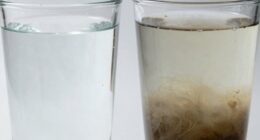
Visual inspection is a vital first step in identifying taste and odor issues in water systems. Carefully examine your water source and distribution points for visible signs like discoloration, cloudiness, or biofilm buildup. During inspection, verify sensors are properly calibrated to avoid false readings, which can mislead you about water quality. Use visual documentation, such as photographs or videos, to record any abnormalities for future reference or consultation with experts. Look for debris, algae, or sediment that might indicate contamination sources. Consistent visual monitoring helps you spot changes early, enabling timely intervention. Remember, thorough and regular inspections are key to maintaining water quality and preventing taste and odor problems from escalating.
Effective Treatment Options
When it comes to managing taste and odor issues in water, selecting the right treatment methods is essential for effective resolution. Advanced filtration systems, like activated carbon filters, can remove organic compounds and chlorine byproducts that cause unpleasant tastes and odors. These filters are highly effective at targeting specific contaminants and improving water quality. Chemical neutralization is another key option, involving the addition of agents that react with odor-causing substances to neutralize them. For example, oxidation processes can eliminate iron, sulfur, and hydrogen sulfide odors. Recognizing narcissistic traits in water treatment practices can also help in understanding and addressing underlying issues that contribute to persistent taste and odor problems. Combining advanced filtration with chemical neutralization often provides the most extensive approach, addressing a wide range of taste and odor issues. By choosing appropriate treatments, you can restore water’s freshness and ensure it’s safe and pleasant to drink.
Frequently Asked Questions
How Can I Distinguish Between Natural and Chemical Taste and Odor Issues?
To distinguish between natural and chemical taste and odor issues, start by testing the pH level; natural sources like organic compounds often cause milder, earthy flavors, while chemicals may produce sharp or synthetic tastes. If the pH is off or you detect unusual organic compounds, it’s likely a natural issue. Chemical problems often involve specific contaminants or pollutants, so consider professional testing to identify precise sources.
What Are Early Signs of Taste and Odor Problems in Water Supplies?
You might notice early signs of taste and odor problems in your water when it turns discolored or develops unusual smells. These changes often indicate the presence of organic matter, bacteria, or chemical reactions. Pay attention to any unexpected color shifts like brown or yellow, and strange odors such as musty, sulfur, or chemical smells. Catching these signs early helps prevent potential health issues and guarantees your water remains safe to use.
Can Household Treatments Effectively Eliminate Persistent Taste and Odor?
Your household treatments can often tackle persistent taste and odor issues, but they aren’t magic bullets. These treatments work through chemical reactions that neutralize or remove offending compounds. While some odors vanish instantly, others might require repeated treatments or professional help. Be patient, follow instructions carefully, and consider combining methods like activated carbon filters or water conditioners. Sometimes, a bit of persistence is needed to restore your water’s fresh taste.
Are Certain Times of Year More Prone to Taste and Odor Fluctuations?
Yes, certain times of year are more prone to taste and odor fluctuations due to seasonal changes and source variability. During spring and summer, increased rainfall, algae growth, and higher temperatures can introduce new sources of taste and odor issues. Conversely, in winter, colder temperatures often reduce microbial activity, leading to fewer problems. Staying aware of these seasonal patterns helps you anticipate and address taste and odor fluctuations effectively.
How Does Water Temperature Influence the Development of Taste and Odor?
Think of water temperature like the thermostat in your home—set it too high, and microbial growth accelerates, leading to taste and odor issues. When water’s warmer, bacteria thrive, producing compounds that cause off-flavors. For instance, during summer, you might notice more pronounced taste and odor problems because higher temperatures promote microbial activity. Keeping water cooler slows microbial growth, helping maintain better taste and odor quality.
Conclusion
Understanding the sources of taste and odor helps you identify issues before they worsen. While natural elements like organic matter and environmental factors influence water quality, microbial activity and chemical pollutants pose unexpected challenges. By recognizing these causes, you can take proactive steps to improve your water. Just as a clear, fresh taste delights your senses, hidden contaminants can quietly compromise it—so stay vigilant and address problems early to enjoy safe, great-tasting water every day.