
Microplastics are tiny particles less than five millimeters that contaminate your drinking water from the breakdown of larger plastic waste and everyday products like cosmetics and synthetic fibers. These small particles can slip past water treatment systems and enter your tap water, posing potential health risks and environmental concerns. They also threaten aquatic life and can carry harmful chemicals. To understand how microplastics affect your water supply and what can be done, keep exploring this important issue.
Key Takeaways
- Microplastics are tiny particles less than five millimeters that contaminate drinking water through plastic degradation and pollution.
- They can bypass water treatment systems due to their small size, leading to presence in tap and bottled water.
- Microplastics may carry harmful chemicals or pollutants, posing risks to human health upon ingestion.
- Detection is challenging because microplastics are often invisible and not fully removed by current filtration methods.
- Addressing microplastics in drinking water requires improved waste management, pollution reduction, and advanced water purification technologies.

Have you ever wondered what microplastics are and why they matter? These tiny plastic particles, less than five millimeters in size, have become a growing concern because they are everywhere — in the environment, in the food chain, and now, even in your drinking water. Microplastics originate from larger plastic debris that breaks down over time or from products like cosmetics, synthetic fibers, and industrial processes. As plastic pollution continues to surge worldwide, more particles end up in water sources, leading to significant water contamination issues. When plastics degrade, they release microplastics into rivers, lakes, and oceans, which can then make their way into tap water and bottled beverages. The presence of microplastics in water sources raises alarms because it signals a broader problem of plastic pollution that’s difficult to control once it’s dispersed.
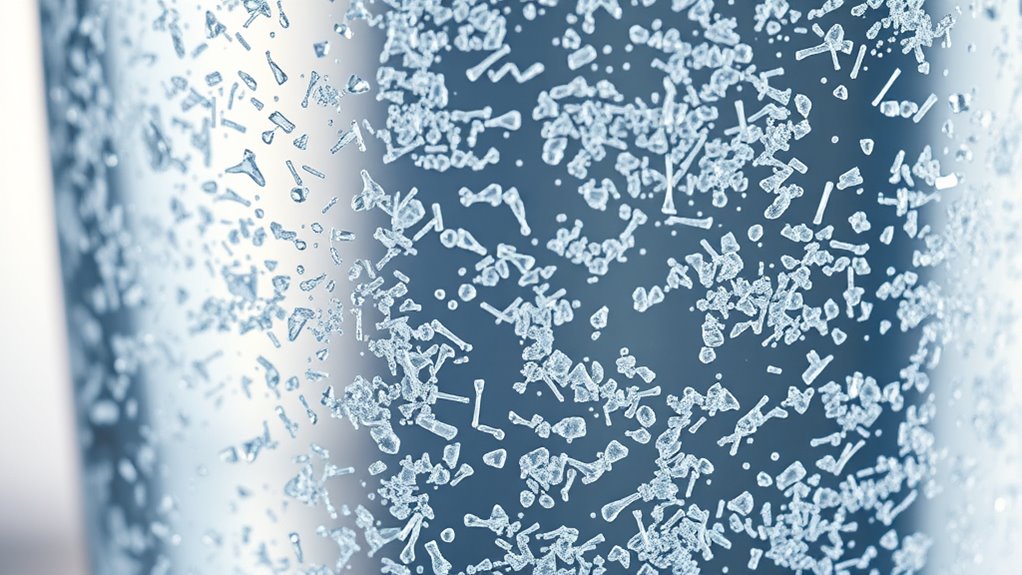
Microplastics from degraded plastic waste contaminate water sources, posing risks to ecosystems and human health.
Understanding how microplastics infiltrate drinking water helps you grasp the scope of this environmental threat. Water contamination from microplastics isn’t just about seeing visible debris; it involves tiny particles that are often invisible to the naked eye. These particles can be ingested unknowingly, raising concerns about potential health impacts, such as inflammation or chemical exposure, since plastics can carry harmful additives or pollutants. Microplastics can bypass water treatment processes because they’re so small, meaning they often pass through filtration systems designed to remove larger contaminants. Consequently, even treated tap water can contain microplastics, making it a widespread issue that affects millions of people around the globe.
The link between plastic pollution and water contamination is direct and troubling. As plastic waste accumulates in our environment, it doesn’t just sit inert; it breaks down into microplastics that travel through waterways. These particles can be ingested by aquatic life, which then enters the human food chain through seafood consumption. But microplastics aren’t only a problem for marine ecosystems—they also threaten freshwater sources used for drinking and agriculture. The pervasive presence of microplastics in drinking water emphasizes the urgent need for better waste management, improved water treatment technologies, and policies aimed at reducing plastic waste at its source. Recognizing this connection is vital because it helps you understand that tackling water contamination from microplastics requires a broad effort to reduce plastic pollution overall.
In the end, microplastics in drinking water serve as a stark reminder of how plastic pollution affects every aspect of your environment and health. While research continues to uncover the full extent of their impact, it’s clear that reducing plastic waste and improving water purification are essential steps. By staying informed and advocating for sustainable practices, you can contribute to addressing this pressing issue, helping protect your water sources from further contamination and safeguarding your health for the future.
Frequently Asked Questions
How Do Microplastics Affect Human Health Long-Term?
Long-term, microplastics can pose health risks by accumulating in your body and potentially causing biological impacts. You might experience inflammation, toxicity, or disruption of your immune system as these particles enter your bloodstream or organs. Although research is ongoing, it’s important to stay aware of the potential risks, limit exposure where possible, and support efforts to reduce plastic pollution to protect your health over time.
Can Microplastics Be Completely Removed From Drinking Water?
Honestly, you can’t completely remove microplastics from drinking water yet. Filtration challenges, like tiny particle size, make it tough, and policy gaps hinder the implementation of better solutions. While advanced filters can substantially reduce microplastics, no system is perfect. So, even with current technology, some microplastics still slip through. To truly eliminate them, you’ll need stricter regulations and improved filtration methods, which are still under development.
Are Certain Brands or Sources of Bottled Water Safer?
Certain brands or sources of bottled water may be safer because of brand safety measures and source variability. You should research brands that conduct rigorous testing for microplastics and choose those with transparent safety protocols. Keep in mind, source variability can affect microplastic levels, so opting for reputable brands with well-regulated sources reduces your risk. Always check for third-party testing results and quality certifications to make an informed choice.
How Do Microplastics Enter the Water Supply?
Microplastics enter your water supply mainly through plastic debris that breaks down into tiny particles. These microplastics often come from sources like plastic waste, synthetic fibers, and degraded plastic products. Wastewater treatment plants can’t fully filter out microplastics, so they often end up in the water you drink. By understanding this, you realize how plastic pollution and limited filtration contribute to microplastic contamination in your water supply.
What Regulations Exist to Limit Microplastics in Drinking Water?
You might think regulations fully address microplastics in drinking water, but they actually vary by region. Currently, regulatory standards for microplastics are limited, and many microplastic policies focus on broader contaminant control. Agencies like the EPA are researching safe levels, but concrete limits haven’t been widely established. It’s essential to stay informed, as stricter regulations could emerge, improving water safety and reducing health risks associated with microplastic exposure.
Conclusion
So, here you are, sipping your clean glass of water, blissfully unaware of the tiny plastic intruders swirling inside. Ironically, the very water we trust to quench our thirst may carry microplastics we can’t see, let alone taste. As we chase purity, we’re unknowingly consuming plastic pollution. It’s a bitter reminder that sometimes, the biggest threats come in the smallest packages, quietly infiltrating our lives and challenging what we consider safe.