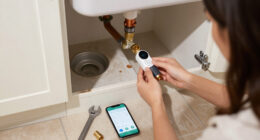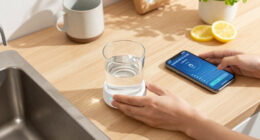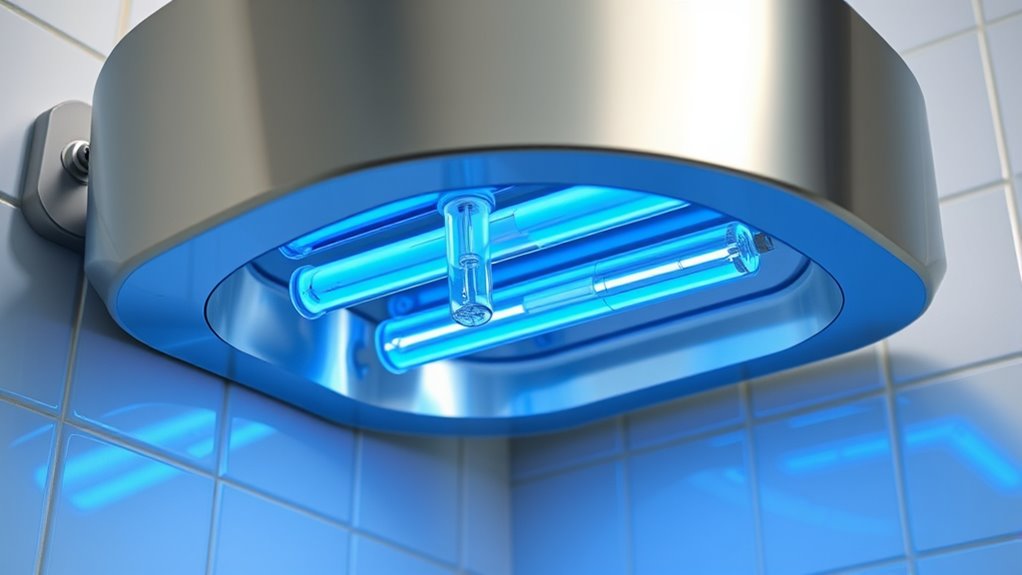

For ideal performance, you should replace your UV bulbs at least once a year, even if they still seem to work. UV bulb lifespan typically ranges from 9,000 to 12,000 hours, and their effectiveness diminishes over time. Regular replacement prevents reduced disinfection efficiency and system failure. Monitoring UV intensity or following your manufacturer’s guidelines helps guarantee you stay ahead of bulb degradation. Continue exploring to discover more tips for maintaining your UV disinfection system effectively.

Get home appliances delivered free — and shop member deals
- Fast, free delivery on millions of items
- Access to Prime Big Deal Days deals on October 6–7
- Prime Video, Amazon Music and more included
Key Takeaways
- Replace UV bulbs annually or after approximately 9,000 to 12,000 hours of use.
- Monitor UV output regularly; reduced UV-C intensity indicates it’s time for replacement.
- Follow manufacturer recommendations for scheduled bulb replacements, typically every 12 months.
- Clean quartz sleeves frequently to maintain UV transmission and system efficiency.
- Consider using UV intensity sensors or warning indicators for more precise replacement timing.

Replacing UV bulbs in UV disinfection systems is a straightforward process that guarantees your system continues to operate effectively. Knowing how often to swap out these bulbs is essential for maintaining peak disinfection efficiency and ensuring your water or air stays safe. Typically, UV bulbs have a limited lifespan, often around 9,000 to 12,000 hours of use, which translates to roughly 12 to 15 months of continuous operation. However, this isn’t a strict rule; the actual lifespan depends on several factors, including the quality of the bulb, operating conditions, and how well you maintain the system. It’s vital to monitor the performance and understand that, over time, the UV bulb’s ability to produce UV-C light diminishes, reducing disinfection efficiency.
As your UV bulb ages, its UV-C output gradually declines, even if it still appears to be functioning. This reduction in output directly impacts the system’s ability to inactivate microorganisms effectively. You might notice that the water or air quality isn’t as clean as it used to be, or you may observe a decrease in flow rate, which can be signs that the UV disinfection system isn’t performing at its best. Regularly checking the UV bulb’s age and replacing it before it reaches the end of its effective lifespan helps prevent these issues. Many system manufacturers recommend changing the bulb every 12 months as a proactive measure, regardless of whether it appears to be functioning.
It’s also wise to replace the UV bulb if you notice a drop in disinfection efficiency, even if it’s within the expected lifespan. Some systems incorporate UV intensity sensors or warning indicators to alert you when the bulb’s output drops below acceptable levels. If your system doesn’t have these features, you should perform scheduled replacements based on hours of operation. Remember, simply turning on the system doesn’t guarantee effective disinfection; the UV bulb must produce sufficient UV-C radiation to destroy pathogens. Over time, the quartz sleeve may also become cloudy or coated with mineral deposits, further diminishing UV transmission and reducing disinfection efficiency. Regular cleaning of the sleeve and timely bulb replacement work together to keep your system functioning at its best. Additionally, understanding the impact of UV-C radiation on microorganisms helps emphasize the importance of timely maintenance for optimal disinfection results.
Frequently Asked Questions
Can UV Bulbs Be Recycled After Use?
Yes, you can recycle UV bulbs after use, but proper UV bulb disposal is essential. You should take your used bulbs to a recycling facility that handles hazardous waste, as they contain small amounts of mercury. Recycling reduces environmental impact by preventing mercury from contaminating the environment. Always follow local regulations for UV bulb disposal, and avoid throwing them in regular trash to protect the environment and promote responsible waste management.
Do Different UV Bulb Brands Have Different Lifespans?
Yes, different UV bulb brands vary in durability. When comparing brands, you’ll notice differences in UV bulb durability, which affects how long they last before needing replacement. Some brands are known for longer-lasting bulbs, offering better performance and value. It’s essential to do a brand comparison and check specifications, so you can choose bulbs that meet your system’s needs and replace them at the most suitable time to maintain effective disinfection.
How Does Water Quality Affect UV Bulb Longevity?
You might be surprised to learn that poor water quality can cut UV bulb lifespan by up to 50%. Water contamination, like sediments or minerals, clouds the UV light, reducing disinfection efficiency. When water quality declines, your UV bulbs work harder, burn out faster, and need replacing sooner. To maximize bulb longevity and maintain disinfection, regularly check and treat water to keep contaminants in check.
Are There Signs Indicating a UV Bulb Needs Replacement?
You’ll notice your UV bulb needs replacement when you see a significant drop in disinfection efficiency or if it stops glowing during UV bulb maintenance. Flickering or dim light also signals it’s time for a change. Regularly inspecting your system guarantees peak performance, preventing compromised water safety. Keep track of usage hours, and replace the bulb promptly to maintain effective disinfection and protect your water quality.
What Safety Precautions Should Be Taken When Replacing Bulbs?
When replacing UV bulbs, you should handle protective gear like gloves and eye protection to avoid exposure to UV light and avoid skin contact with mercury. Turn off the system before opening it and carefully remove the old bulb using gloves. Follow proper disposal methods for the used bulb, as it contains hazardous materials. Always wash your hands afterward and ensure the area is well-ventilated to stay safe during the process.
Conclusion
So, while you keenly wait for your UV bulbs to burn out, remember they’re your silent guardians against germs—until they’re not. Ironically, the very bulbs you rely on to keep things clean need replacing before they lose their power. Don’t let neglect turn your disinfectant hero into a false sense of security. Stay on top of bulb replacements, and you’ll actually keep your space safer—because sometimes, the best protection is simply knowing when to change the light.
Fall yard work Picks
leaf blowers
As an affiliate, we earn on qualifying purchases.