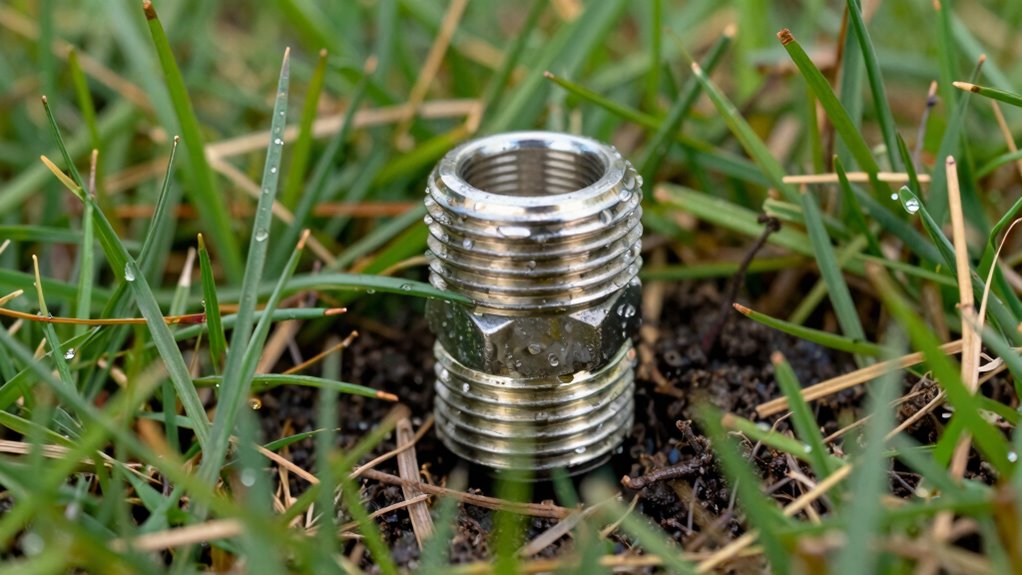
Many homeowners don’t realize that a pitless adapter is essential for keeping your well water clean and system durable. It connects your well pipe to your home’s plumbing below ground, preventing dirt, surface contaminants, insects, and debris from entering. Proper installation ensures your water stays pure and your system lasts longer, while also making future repairs easier. If you want to protect your water quality and avoid costly issues, there’s more to uncover about how this small component makes a big difference.
Listen free for 30 days with Audible
Thousands of audiobooks and originals — cancel anytime.
As an affiliate, we earn on qualifying purchases.
Key Takeaways
- Proper installation below ground level creates a sealed, contamination-resistant connection that many homeowners overlook.
- Compatibility with well components is crucial to prevent future system failures and costly repairs.
- Correct installation techniques ensure long-term water quality and system durability by preventing surface contaminants.
- The pitless adapter’s role in easy maintenance and troubleshooting is often underestimated by homeowners.
- Choosing the right adapter and installation method significantly extends the well system’s lifespan and water safety.
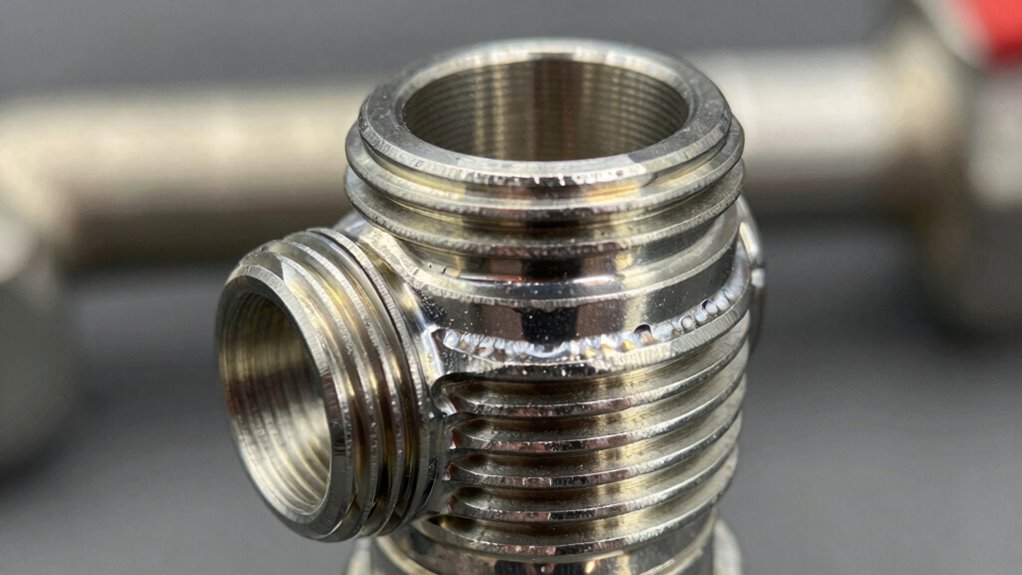
A pitless adapter is an essential component in modern well systems, allowing you to connect your well pipe to your home’s plumbing without requiring a traditional pit or sump. This device is installed below ground level, providing a direct, sealed connection that keeps dirt, debris, and surface contaminants out of your well. When it comes to well installation, understanding the significance of the pitless adapter can make a big difference in ensuring your water system operates smoothly and efficiently. Many homeowners focus on the pump or the well itself but overlook the importance of this small but crucial part. It’s not just about convenience; it’s about guaranteeing long-term water quality and system durability.
The pitless adapter’s design helps maintain the integrity of your water supply by preventing surface runoff, insects, and animals from accessing your well. This protection directly influences water quality, which is a top priority for any homeowner. When properly installed, a pitless adapter minimizes contamination risks, reducing the likelihood of bacteria or pollutants entering your water system. It also eliminates the need for a pit or sump, which can become breeding grounds for pests or accumulate debris over time. Without a pitless adapter, you might face ongoing maintenance issues, increased risk of contamination, and even costly repairs. Additionally, a correctly installed adapter can help prevent water freezing during cold weather, protecting your entire well system.
During well installation, choosing the right pitless adapter isn’t just about compatibility; it’s about safeguarding your water quality. A well-installed pitless adapter ensures that your well’s head remains sealed from the environment, which is essential for maintaining clean, safe water. Proper installation and maintenance of well system components can significantly extend the lifespan of your overall setup, making it a wise investment. Being aware of installation techniques and their importance can also help you ensure proper setup and avoid future problems. Recognizing the importance of proper installation techniques can also help prevent future issues and ensure your system functions optimally for years to come. Plus, it simplifies future repairs or inspections. Instead of digging up the entire well, you often only need to access the adapter, saving you time and money. This ease of access is especially advantageous when maintaining water quality, as it allows for quick troubleshooting and cleaning if needed.
Many homeowners aren’t aware of how a pitless adapter influences the overall longevity of their well system. Proper installation means your well is less vulnerable to corrosion, freezing, or damage caused by external elements. It also means your water remains uncontaminated for longer periods, reducing the need for frequent water testing or treatment. Additionally, understanding how a well system component such as the pitless adapter functions can help you make informed decisions about maintenance and upgrades. Informed homeowners can better recognize signs of potential issues, helping to prevent costly repairs before problems escalate. Recognizing how system components contribute to your well’s reliability can guide you in selecting quality products during installation or upgrades. In the end, understanding this small component’s role helps you make smarter decisions about your well system, guaranteeing you enjoy safe, high-quality water for years to come. The pitless adapter may be a hidden part of your well, but its impact on your water quality and system reliability is undeniable.
As an affiliate, we earn on qualifying purchases.
Frequently Asked Questions
How Long Does a Pitless Adapter Typically Last?
A pitless adapter typically lasts 20 to 30 years, depending on water quality and system compatibility. If your water has high mineral content, it can cause corrosion and reduce the adapter’s lifespan. Regular inspections help identify early signs of wear. Proper installation and maintenance guarantee the adapter functions effectively, preventing leaks or contamination. Keep an eye on water quality and compatibility to maximize its longevity.
Can a Pitless Adapter Be Installed in Any Well?
A pitless adapter can’t be installed in any well; it requires a properly installed well casing to work effectively. You need to verify your well casing is compatible and that the water pressure is sufficient for the adapter to function properly. If your well has a sturdy casing and adequate water pressure, then installing a pitless adapter is feasible, providing easier access and reliable water flow without disturbing the ground surface.
What Are the Signs of a Failing Pitless Adapter?
If your water pressure drops unexpectedly or you notice foul tastes or odors, your pitless adapter might be failing. These signs can lead to well contamination, risking your water quality. Cracks, leaks, or visible corrosion around the adapter are also warning signs. Addressing these issues promptly prevents more serious problems, like contaminated water entering your home or decreased water flow, ensuring your well stays safe and functional.
Is Professional Installation Required for a Pitless Adapter?
Yes, professional installation is highly recommended for a pitless adapter. Proper installation guarantees the well sealant is correctly applied, preventing leaks and contamination. Experts follow strict installation safety standards, reducing risks during setup. Attempting to install it yourself can lead to improper sealing or damage, which might cause costly repairs later. Trusting a professional guarantees the adapter functions correctly and maintains the integrity of your well system.
How Much Does a Pitless Adapter Replacement Cost?
Replacing a pitless adapter typically costs between $500 and $1,500, depending on well depth and water quality. If your well has a deep well or poor water quality, it may require more extensive work, increasing costs. Professional installation is highly recommended to guarantee proper sealing and prevent contamination. Keep in mind, factors like well depth and water quality influence both the complexity and overall expense of the replacement process.
As an affiliate, we earn on qualifying purchases.
Conclusion
Understanding the pitless adapter can save you time and money on well maintenance. Imagine a homeowner who overlooked this essential part, leading to costly repairs after a freeze caused the pipe to crack. By knowing the details, you can guarantee your well system stays protected year-round. Don’t wait until a problem arises—educate yourself now. Taking this small step could prevent big headaches down the road, keeping your water flow smooth and your mind at ease.
As an affiliate, we earn on qualifying purchases.
As an affiliate, we earn on qualifying purchases.
Fall Picks
fall essentials
As an affiliate, we earn on qualifying purchases.