
TL;DR
Multiple water providers across the UK have imposed hosepipe bans to conserve water amid persistent drought conditions. The bans impact millions of residents and are part of wider efforts to manage water resources. Details on the duration and scope are still evolving.
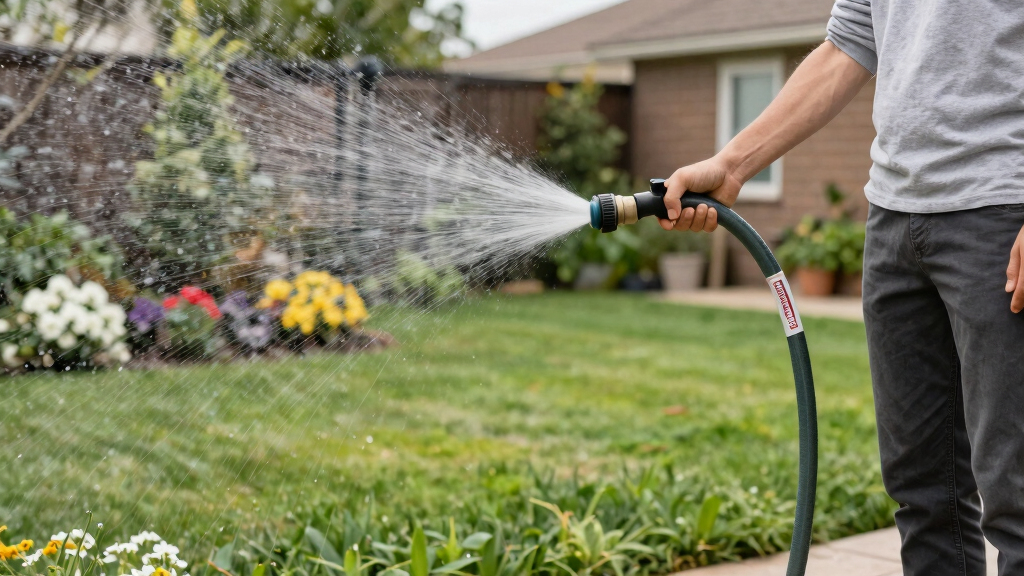
Several UK water companies, including Anglian Water and Affinity Water, have officially introduced hosepipe bans across their service areas, citing persistent drought and low reservoir levels. The measures, which restrict the use of hoses for watering gardens, washing cars, and other non-essential water use, are effective immediately and are expected to last until further notice. This development marks a significant step in water conservation efforts affecting millions of households and businesses.
The bans were announced by the respective water companies earlier this week as reservoir levels continue to fall due to below-average rainfall over the past several months. Anglian Water, serving the eastern region of England, confirmed that the restrictions apply to all domestic water use involving hoses, with fines for non-compliance. Similarly, Affinity Water in the south-east announced restrictions that include restrictions on garden watering and cleaning vehicles with hoses.
Officials from these companies emphasized that the measures are necessary to safeguard water supplies during the ongoing drought, which has been classified as a level 4 drought by the Environment Agency. The bans are part of a broader set of restrictions that may also include limits on sprinkler use and other high-volume water activities, depending on the severity of the drought conditions.
While the exact duration of the bans remains uncertain, officials indicated that restrictions could last several weeks or until reservoir levels improve significantly. Local authorities and water companies have urged residents to use water sparingly and to follow the new restrictions closely.
Impacts on UK Water Conservation and Daily Life
The introduction of hosepipe bans highlights the severity of the ongoing drought in the UK and underscores the importance of water conservation. With millions affected, the bans could lead to changes in daily routines, especially in gardening, car maintenance, and outdoor activities. The restrictions also reflect broader concerns about climate change and the increasing frequency of drought events, prompting calls for more sustainable water management policies.
Failure to comply with the bans could result in fines or other penalties, and the bans may serve as a warning for future water management strategies. The measures also raise awareness about the need for drought preparedness and the potential impacts of prolonged dry weather on agriculture, ecosystems, and urban infrastructure.

AUTOMAN-Garden-Hose-Nozzle, ABS Water Spray Nozzle with 7 Adjustable Watering Patterns, Slip Resistant for Watering Plants, Lawn& Garden, Washing Cars, Cleaning, Showering Pets & Outdoor Fun.
- 7 Adjustable Watering Patterns: Meet all watering needs easily
- Durable ABS+TPR Construction: Lightweight, sturdy, slip-resistant
- Universal Fit for Garden Hoses: Fits all 3/4 inch hoses
As an affiliate, we earn on qualifying purchases.
As an affiliate, we earn on qualifying purchases.
Recent Drought Conditions and Water Management Measures
Over the past six months, the UK has experienced below-average rainfall, leading to critically low reservoir levels in several regions. The Environment Agency has declared a level 4 drought in parts of eastern and southern England, prompting water companies to implement restrictions to prevent water shortages. Historically, hosepipe bans are introduced during periods of significant drought, but their frequency has increased in recent years due to changing climate patterns.
Previous bans in the UK, such as those in 2012 and 2018, were triggered by similar dry spells and low reservoir levels. Water companies have stated that these restrictions are a necessary response to safeguard water supplies and prevent more severe shortages, which could impact public health, agriculture, and industry.
“We are implementing hosepipe bans to protect our water resources during this unprecedented drought. We ask customers to cooperate and use water wisely.”
— Anglian Water spokesperson

Garden Hose Nozzle,8 Patterns Hose Sprayer High Pressure,Heavy Duty Dog Wash,Metal Water Hose Nozzle with Soap Dispenser,Car Wash Foam Gun with A Car Wash Mitt
- Heavy-Duty Material: Durable and tough construction
- Time and Money Saving: Quick, efficient, and water-saving cleaning
- Practical Accessories: Includes soap dispenser and multiple attachments
As an affiliate, we earn on qualifying purchases.
As an affiliate, we earn on qualifying purchases.
Duration and Scope of the Hosepipe Bans Remain Unclear
It is not yet clear how long the hosepipe bans will remain in effect, as they depend on weather conditions and reservoir recovery. Local authorities and water companies have not set specific end dates, and further restrictions could be introduced if drought conditions persist or worsen.
Additionally, the full scope of restrictions may expand beyond current measures, potentially affecting other outdoor water activities. The impact on residents and businesses will depend on weather patterns and the effectiveness of water conservation efforts.

Chapin 2-Gallon Watering Can, Drip-Free Spout for Clean Pour
- Eco-Friendly Material: Made from 100% recycled polymer
- Leak-Free Spout: Rubber gasket prevents leaks during watering
- Made in the USA: Designed and produced in Batavia, NY
As an affiliate, we earn on qualifying purchases.
As an affiliate, we earn on qualifying purchases.
Monitoring Weather and Reservoir Levels for Future Restrictions
Water companies will continue to monitor rainfall, reservoir levels, and drought severity. Authorities may lift restrictions if conditions improve, but further measures could be introduced if dry weather persists. Public advisories and guidance on water conservation are expected to be updated regularly.
Residents are advised to stay informed through official channels and to adopt water-saving practices to help mitigate the impact of the bans.

Outdoor Garden Hose Faucet Timers, Programmable Water Sprinkler Timer with Rain Delay/Manual/Automatic Drip Irrigation and Lawn Watering System for Yard, 1 Outlet
- Easy to Program: Set clock, frequency, duration, start time
- Flexible Watering Settings: Customize watering from 1 min to 7 days
- 3 Watering Modes: Auto, Manual, Rain Delay options
As an affiliate, we earn on qualifying purchases.
As an affiliate, we earn on qualifying purchases.
Key Questions
How long will the hosepipe bans last?
The exact duration is unclear and depends on weather conditions and reservoir recovery. Officials have not set specific end dates, but restrictions may last several weeks or longer if drought persists.
Who is affected by the hosepipe bans?
The bans affect residents and businesses served by Anglian Water, Affinity Water, and other affected providers, covering millions of households across parts of eastern and southern England.
What activities are banned under the hosepipe restrictions?
The bans generally prohibit watering gardens with hoses, washing cars, cleaning driveways, and other outdoor water uses involving hoses. Exact restrictions vary by provider.
Can I use a sprinkler during the ban?
In many cases, sprinkler use is also restricted or discouraged, but specifics depend on local regulations. Residents should check with their water provider for detailed guidance.
What can I do to help conserve water during this period?
Residents are encouraged to water gardens using buckets or watering cans, fix leaks promptly, and avoid unnecessary outdoor water use to help conserve supplies.
Source: google-trends