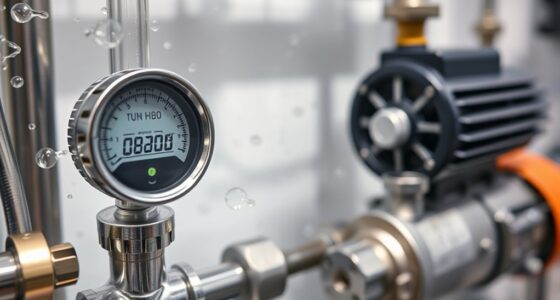

Including a leak strategy in your whole-house plumbing plan is essential to prevent costly water damage and reduce waste. By proactively locating vulnerabilities, installing leak detection tech, and knowing how to shut off water quickly, you protect your home’s safety and save money. A well-planned leak strategy also extends your plumbing system’s life and boosts efficiency. Keeping these measures in mind helps you stay ahead of problems—and there’s more to discover if you keep going.

Get home appliances delivered free with Prime
- Fast, free delivery on millions of items
- Prime Video, Amazon Music and more included
- Member-only deals all year
Key Takeaways
- Incorporating leak strategies prevents costly water damage and reduces emergency repairs.
- Early leak detection safeguards plumbing system integrity and extends its lifespan.
- Leak prevention minimizes water waste, supporting conservation efforts and lowering utility bills.
- A comprehensive leak plan enhances overall home safety and resilience against plumbing failures.
- Integrating leak strategies promotes proactive maintenance, reducing disruptions and ensuring system efficiency.
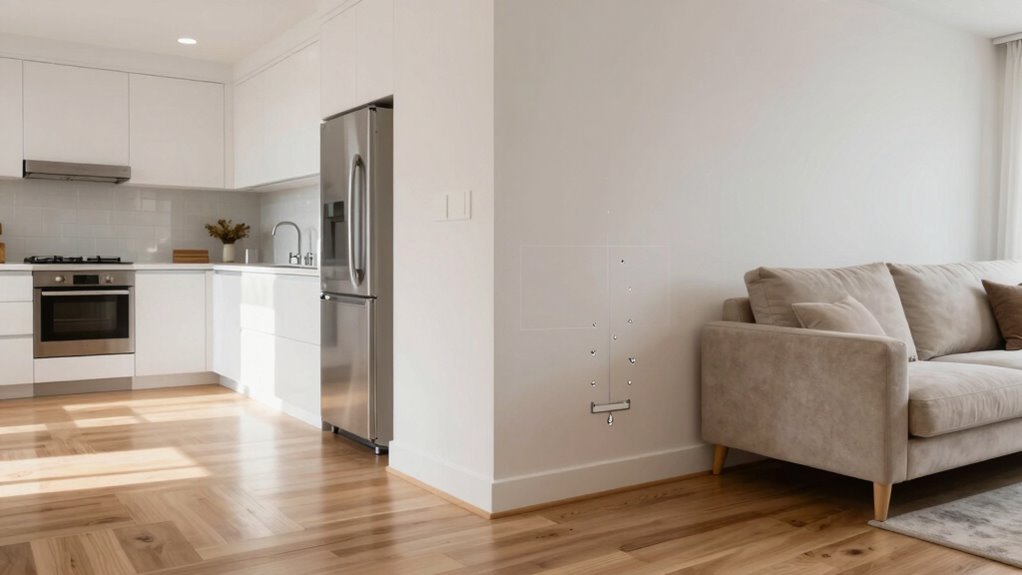
Addressing plumbing issues effectively begins with whole-house planning and a solid leak strategy. When you think about maintaining your home’s plumbing system, it’s tempting to focus only on repairs and upgrades. But a thorough approach involves planning ahead to prevent leaks and minimize damage, especially when emergencies strike. Your strategy should include water conservation measures, which help reduce overall water waste and lower the risk of pipe failure caused by pressure buildup. By integrating leak prevention into your whole-house plan, you’re not just fixing problems as they happen—you’re actively reducing their chances altogether.
Proactive plumbing planning with leak prevention and water conservation ensures a safer, more efficient home.
A well-designed leak strategy ensures that you’re prepared for unexpected pipe failures or minor drips that could escalate into costly damage. When you’re equipped with this foresight, you can respond more efficiently, limiting water loss and preventing extensive repairs. Emergency preparedness is an essential part of this planning process. For example, knowing where your main shutoff valve is located saves precious time during a leak or burst pipe. Having a maintenance schedule that includes regular inspections of vulnerable areas like under sinks, around toilets, and near appliances helps catch small issues before they turn into major disasters. Incorporating water conservation methods into your planning not only reduces water waste but also lessens the overall strain on your plumbing system. Additionally, understanding how home plumbing interconnectedness impacts your entire system can help you identify potential weak points more effectively. Recognizing the vulnerable areas in your plumbing setup allows for targeted inspections and preventative measures, further strengthening your leak prevention efforts. Regularly updating your leak detection techniques ensures you stay ahead of emerging issues and respond swiftly when needed.
Water conservation plays a key role in your overall plumbing health. By installing water-saving fixtures, fixing leaks promptly, and monitoring your water usage, you reduce stress on your pipes and plumbing system. This not only conserves a precious resource but also extends the lifespan of your plumbing. Implementing advanced leak detection** technology can further improve your ability to catch issues early, saving you time and money. A proactive approach, combining water conservation tactics with leak detection, means fewer emergency situations and less water waste. Plus, it puts you in control, giving you peace of mind** knowing your home is resilient against unforeseen plumbing failures.
Thinking about your whole-home plumbing as an interconnected system encourages you to look at it holistically. This perspective helps you identify potential weak points and address them before they cause damage or inconvenience. When you incorporate leak strategy into your planning, you’re creating a safety net that minimizes disruptions and maximizes efficiency. Your home becomes more resilient, and your water bills stay lower. Ultimately, addressing plumbing with a thorough plan that emphasizes leak prevention and emergency preparedness protects your investment and ensures your home’s long-term health. It’s a proactive step that pays off in peace of mind and savings, making your home safer and more sustainable.
whole house leak detection system
As an affiliate, we earn on qualifying purchases.
As an affiliate, we earn on qualifying purchases.
Frequently Asked Questions
How Often Should Leak Inspections Be Performed During Whole-House Planning?
You should perform leak inspections at least twice a year during whole-house planning. Regular checks help you catch leaks early, saving water and reducing your water bill. Incorporate plumbing maintenance into your routine to prevent water waste and potential damage. By maintaining a proactive leak strategy, you’re supporting water conservation efforts and ensuring your plumbing system remains efficient and reliable over time.
What Are the Common Signs of Hidden Leaks in a Home?
You should watch for signs like decreased water pressure or unexplained increases in your water bills, which often indicate hidden leaks. Check for damp spots or mold around pipes, especially if pipes lack proper insulation. Unusual sounds like hissing or banging also suggest leaks. Regularly inspecting pipe insulation and monitoring water pressure helps catch these issues early, preventing extensive damage and saving money on repairs.
How Does Leak Strategy Impact Overall Energy Efficiency?
Imagine your home as a sealed fortress, where leaks silently drain energy and water. A solid leak strategy boosts energy efficiency by preventing drafts and wasted heat, keeping your indoor air quality fresh and safe. It conserves water, reduces utility bills, and minimizes environmental impact. When you prioritize leaks, you create a healthier, more sustainable living space, ensuring comfort and savings last long-term.
What Tools Are Best for Detecting Leaks Early?
You should use smart sensors and water meters to detect leaks early. Smart sensors monitor your plumbing for unusual activity, alerting you immediately if a leak occurs. Water meters track your water usage patterns, helping you spot sudden spikes that indicate leaks. These tools give you real-time data, allowing you to address issues quickly, prevent water damage, and improve your home’s overall energy efficiency.
Can Leak Prevention Reduce Long-Term Repair Costs?
Yes, leak prevention can considerably reduce long-term repair costs. When you proactively prevent leaks, you avoid water damage that can weaken structures, cause mold, and damage belongings. This proactive approach leads to substantial cost savings over time, as you won’t need expensive repairs or replacements. By integrating leak prevention into your whole-house plan, you protect your investment and guarantee a safer, more durable home.
As an affiliate, we earn on qualifying purchases.
Conclusion
Think of your home as a living, breathing garden. Without a leak strategy, tiny drips can seep into the roots of your plans, causing unseen damage that spreads like weeds. By weaving leak prevention into your whole-house planning, you’re planting a sturdy fence around your sanctuary. This way, you protect your investment and nurture a space that flourishes, resilient and secure, rain or shine—your home’s own fortress of peace.
As an affiliate, we earn on qualifying purchases.
water-saving fixtures for plumbing
As an affiliate, we earn on qualifying purchases.
As an affiliate, we earn on qualifying purchases.
Halloween Picks
halloween
As an affiliate, we earn on qualifying purchases.