If your soft water stops flowing or feels rough, start with a quick test. Fill a clear glass with tap water; soft water should look clear with a slight sheen and no cloudiness. Check for white deposits around fixtures or pipes, and use a water test kit to measure mineral levels. If results show high mineral content, buildup may be blocking your system. Want tips to fix or prevent this? Keep exploring for more helpful advice.

Get home appliances delivered free — and shop member deals
- Fast, free delivery on millions of items
- Access to Prime Big Deal Days deals on October 6–7
- Prime Video, Amazon Music and more included
Key Takeaways
- Fill a clear glass with tap water and observe if it appears cloudy or has a film, indicating mineral removal issues.
- Use a water hardness test kit to measure mineral levels; high hardness confirms mineral buildup affecting soft water.
- Listen for unusual noises like gurgling or banging from your softener, which can signal restricted flow or system problems.
- Check the softener’s display panel for error messages or overdue regeneration alerts that may cause water flow stoppage.
- Inspect fixtures and pipes for white mineral residues, as buildup can block flow and impair soft water delivery.
If your soft water suddenly seems to have stopped flowing, it’s important to quickly confirm the issue. Soft water typically flows smoothly through your pipes and fixtures, so a sudden change can signal a problem. One common cause is a buildup of mineral deposits that interfere with your water softening system’s function. Water hardness, which measures the concentration of minerals like calcium and magnesium, directly influences this process. When mineral buildup accumulates in your softening equipment or pipes, it can block flow or cause the system to shut down unexpectedly.
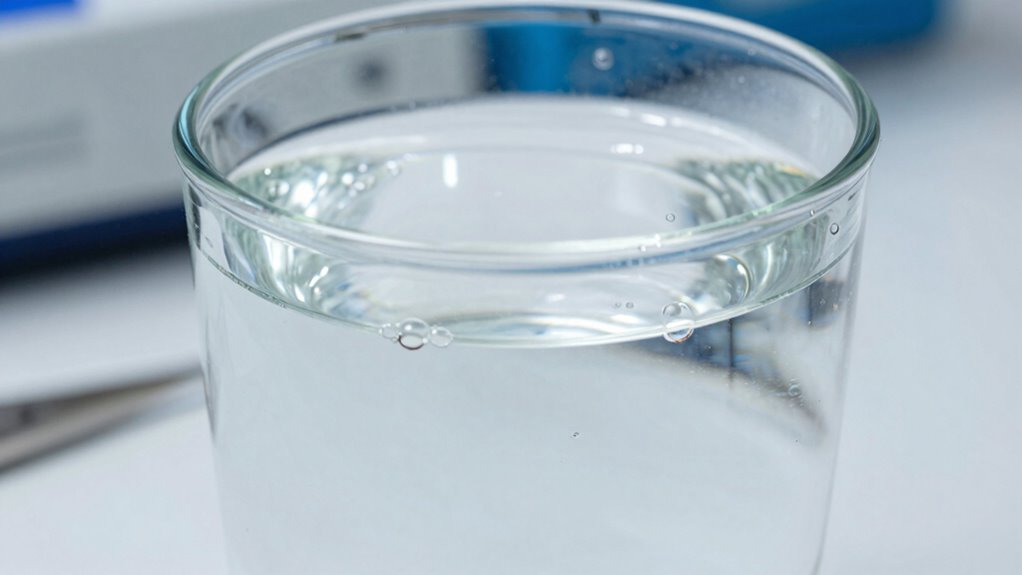
To determine if your water softener is still working, start with a simple test. Fill a clear glass with water from your tap and look closely at its clarity and appearance. Soft water should be clear, with a slight sheen but no cloudiness or particles floating around. If the water appears cloudy or has a film on the surface, it could be a sign that your system isn’t removing minerals effectively. Additionally, check for any visible mineral deposits on fixtures or in your pipes—white, chalky residues often indicate excessive mineral buildup, which can hinder water flow or impair softener performance.
Check water clarity and look for mineral deposits to assess your softener’s effectiveness.
Next, perform a basic hardness test using a water test kit, which you can buy at most hardware stores or online. These kits typically involve a test strip or a liquid reagent that changes color based on water hardness levels. Follow the instructions carefully, dipping the strip into your tap water or adding the reagent to a water sample. If the results show high mineral content, it confirms that your water is hard and that mineral buildup may be causing your soft water issues. If the test indicates low or normal hardness, then the problem might be elsewhere, like a malfunctioning valve or a clogged filter.
You should also listen for unusual sounds when running water—gurgling or banging noises often point to restricted flow caused by mineral deposits blocking pipes or valves. Check your softener’s display panel, if it has one, to see if it shows error messages or indicates a need for maintenance. Sometimes, a simple regeneration cycle is overdue, or the resin beads inside the softener have become fouled with mineral deposits, reducing their effectiveness. In such cases, cleaning or replacing parts can restore proper flow.
Confirming whether your soft water has truly stopped involves a quick visual and chemical check. By paying attention to water clarity, mineral buildup, and test results, you can accurately diagnose the issue and take appropriate action—whether that’s cleaning your system, replacing filters, or scheduling professional maintenance. Regular system maintenance can prevent mineral buildup and ensure your softener functions properly over time. Acting swiftly ensures you don’t continue using water that’s hard or contaminated, protecting your plumbing and appliances from damage caused by mineral buildup.
As an affiliate, we earn on qualifying purchases.
Frequently Asked Questions
How Long Does a Typical Soft Water System Last Before Failure?
A typical soft water system lasts about 10 to 15 years before failure, depending on water quality and maintenance. Regularly checking your system helps extend its lifespan, preventing issues caused by mineral buildup or corrosion. If you notice hard water or reduced flow, it might be nearing the end of its system lifespan. Proper upkeep guarantees you get the most out of your soft water system and maintains ideal water quality.
Can Hard Water Damage Soft Water Appliances?
Yes, hard water can damage soft water appliances by causing mineral buildup, which affects water mineralization. Over time, this buildup reduces appliance lifespan and efficiency. To protect your appliances, regularly check the water quality and consider installing a pre-filter or resin to lower mineral content. Doing so helps prevent damage, extends your appliance’s lifespan, and ensures consistent soft water performance.
Is It Safe to Use Chemical Tests for Soft Water Confirmation?
Yes, chemical testing is generally safe for confirming soft water, but you should follow safety considerations carefully. Use the test kits as directed, wear gloves and eye protection, and work in a well-ventilated area. Avoid ingesting or inhaling chemicals. If you’re unsure about handling chemicals, consider professional testing options instead. Always prioritize safety to guarantee accurate results without risking health.
What Are the Signs of Soft Water System Malfunction?
You’ll notice signs of a soft water system malfunction through increased water hardness, such as soap scum buildup or reduced lather. You might also see mineral deposits on fixtures or experience dry skin. Regular maintenance tips include checking the salt levels, inspecting the resin tank, and monitoring water quality. If these signs persist, it’s time to service your system to restore proper soft water flow and prevent further issues.
How Often Should I Perform the Quick Test?
Don’t put off the inevitable—perform the quick test every month. You should check water pH and salt levels regularly, as these are good indicators of your soft water system’s health. If you notice changes, it’s time for a deeper look. Staying on top of this helps prevent bigger issues down the line, ensuring your system works smoothly and your water stays soft and balanced.
water softener mineral buildup cleaner
As an affiliate, we earn on qualifying purchases.
As an affiliate, we earn on qualifying purchases.
Conclusion
If your soft water suddenly stops, don’t panic. Just like a quick spark ignites a flame, a simple test can confirm the issue fast. Check for soap lather or perform the vinegar test to see if your water’s still soft. Acting swiftly is key—think of it as catching a wave before it crashes. With this quick test, you’ll stay ahead of the problem and keep your water soft and smooth, just like silk.
As an affiliate, we earn on qualifying purchases.
As an affiliate, we earn on qualifying purchases.
Fall Picks
fall essentials
As an affiliate, we earn on qualifying purchases.