
Drain air gaps still matter in modern installations because they act as a simple, reliable barrier that prevents backflow and cross-contamination, protecting your water supply. Their long-standing effectiveness is supported by history, and they’re easy to install and maintain. Regulations still emphasize their importance, ensuring safety and compliance. Their proven durability means you can rely on this basic solution to keep your plumbing safe. To understand more about why they’re so essential today, keep exploring the benefits they offer.

Get home appliances delivered free with Prime
- Fast, free delivery on millions of items
- Prime Video, Amazon Music and more included
- Member-only deals all year
Key Takeaways
- They provide a simple, reliable physical barrier preventing backflow contamination in modern plumbing systems.
- Regulatory standards still mandate their use to ensure water safety and compliance.
- Their low-cost, easy installation makes them practical for diverse plumbing setups.
- Their proven durability and minimal maintenance contribute to long-term system safety.
- They continue to be essential despite technological advances, due to their effectiveness and simplicity.
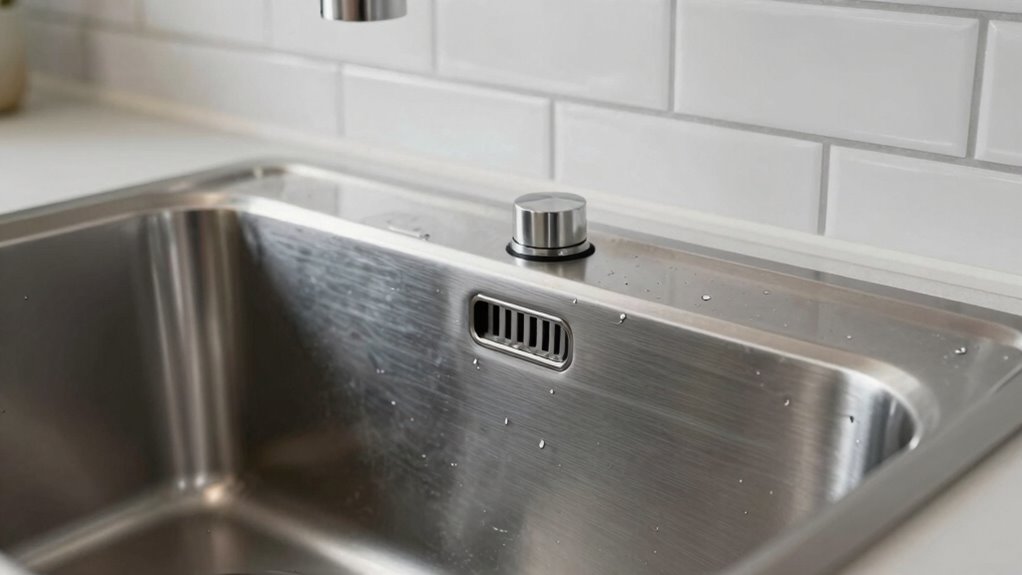
Drain air gaps are an essential component of modern plumbing systems, serving as a simple yet effective way to prevent contaminated water from backing into clean water supplies. Though technology has advanced, the significance of air gaps remains rooted in plumbing’s history and regulatory standards. Understanding why drain air gaps still matter today helps you appreciate their ongoing role in maintaining safe and compliant plumbing systems.
Historically, plumbing relied heavily on basic principles of gravity and simple physical barriers to prevent cross-contamination. In the early days, the concept of an air gap emerged as a straightforward solution—an unpressurized space between the water supply outlet and the drain or fixture. This gap acts as a barrier, ensuring that any backflow or siphoning can’t contaminate the potable water. Over time, plumbing codes and standards recognized the effectiveness of this method, making air gaps a fundamental aspect of safe plumbing design. The historical roots of plumbing practices highlight the enduring value of air gaps, emphasizing their role as a tried-and-true method for safeguarding water quality. Additionally, regulatory standards continue to emphasize their importance, reflecting their proven effectiveness. Modern plumbing systems still rely on these simple barriers because they are easy to install, cost-effective, and require minimal maintenance. Their reliability has been demonstrated over decades, reinforcing their continued relevance in plumbing safety. Moreover, their minimal maintenance requirements contribute to their long-term effectiveness, reducing the need for frequent repairs or adjustments.
As an affiliate, we earn on qualifying purchases.
Frequently Asked Questions
How Do Drain Air Gaps Prevent Backflow in Plumbing Systems?
Drain air gaps prevent backflow by creating a physical barrier that separates the water supply from potential contamination sources. When your system experiences a change in air pressure, the air gap stops contaminated water from siphoning back into your clean water line. This simple design minimizes contamination risk and guarantees safe water flow, making it an essential safeguard even in modern plumbing systems.
Are There Specific Regulations for Drain Air Gaps in Commercial Buildings?
Think of building codes and safety standards as the blueprint for a sturdy bridge—you need them to cross safely. In commercial buildings, regulations often specify mandatory drain air gaps to prevent backflow and contamination. These standards guarantee your plumbing system remains safe and compliant, guiding you to install air gaps correctly. By following these specific regulations, you protect both your building’s integrity and public health.
Can Drain Air Gaps Be Integrated Into Smart Plumbing Systems?
Yes, drain air gaps can be integrated into smart plumbing systems. You can incorporate smart integration by connecting air gaps to digital monitoring tools, allowing you to track water flow and detect blockages or backflow issues in real-time. This setup enhances safety, guarantees compliance, and simplifies maintenance. Using sensors and automation, you keep a close eye on your plumbing health, preventing costly problems before they arise.
What Maintenance Is Required to Ensure Drain Air Gaps Function Properly?
Imagine a tiny barrier of water, silently protecting your home from contaminants—air gap maintenance keeps this barrier effective. You should regularly inspect your air gaps for blockages or debris, ensuring unobstructed flow. Follow consistent inspection schedules, especially after plumbing repairs or heavy use. Clear any obstructions promptly, and clean the area to prevent buildup. Proper maintenance guarantees your air gap continues to serve as a reliable safeguard, protecting your plumbing system.
How Do Drain Air Gaps Compare to Other Backflow Prevention Devices?
Drain air gaps excel at preventing backflow through simple air gap design, creating a physical barrier that’s highly reliable. Compared to other backflow prevention devices, air gaps often have lower initial costs and minimal maintenance needs, making them cost-effective. While some devices might offer added features, air gaps’ straightforward design guarantees consistent protection, especially in critical applications where reliability and simplicity are paramount.
backflow prevention device for plumbing
As an affiliate, we earn on qualifying purchases.
As an affiliate, we earn on qualifying purchases.
Conclusion
Just as a lighthouse guides ships safely through dark, unpredictable waters, drain air gaps serve as your last line of defense, preventing contamination from sneaking into your water supply. In today’s world of advanced technology, it’s easy to overlook these simple yet essential safeguards. But remember, neglecting them risks opening a floodgate of health hazards. Keep these gaps intact—your water’s purity relies on the quiet strength of this timeless barrier, standing vigilant like a guardian at dusk.
As an affiliate, we earn on qualifying purchases.
commercial building drain air gap
As an affiliate, we earn on qualifying purchases.
As an affiliate, we earn on qualifying purchases.
NFL season / tailgating Picks
team gear
As an affiliate, we earn on qualifying purchases.