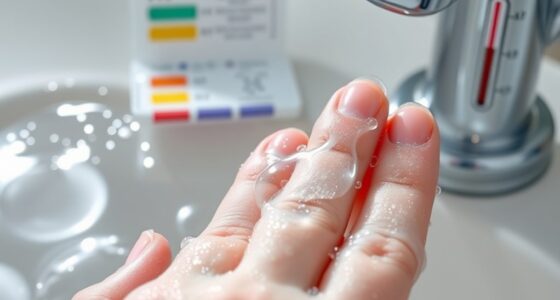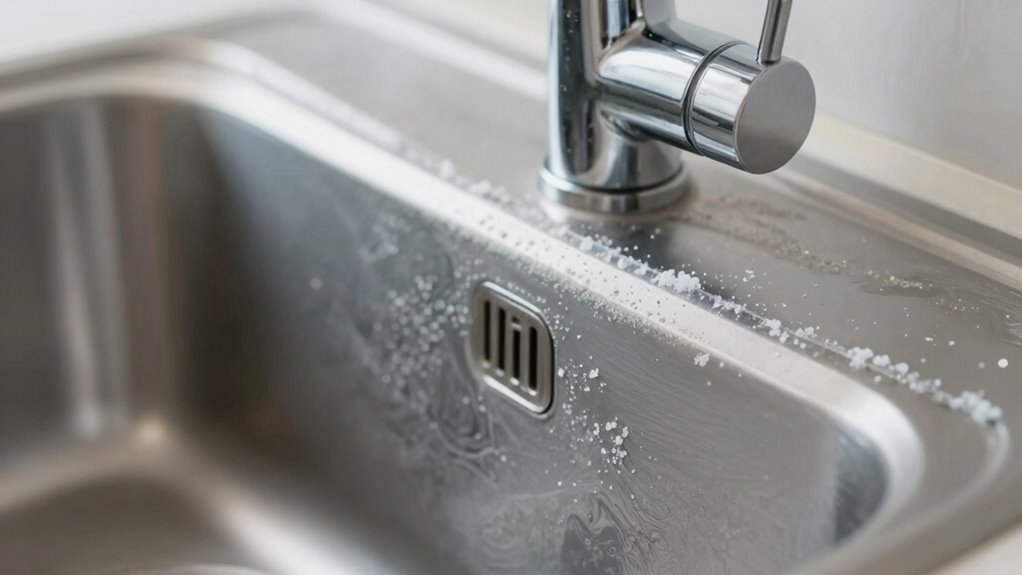

Electronic descalers don’t tell you that they don’t actually remove minerals from your water—only attempt to alter their crystal structure temporarily. They often leave out that long-term effectiveness is highly uncertain and can vary based on water composition and flow rates. These devices may shift mineral buildup elsewhere in your plumbing, rather than eliminating it. If you’re curious about the full story behind these devices, there’s more to discover beneath the surface.

Get home appliances delivered free with Prime
- Fast, free delivery on millions of items
- Prime Video, Amazon Music and more included
- Member-only deals all year
Key Takeaways
- They often omit the fact that minerals are not removed, only supposedly altered.
- The inconsistent long-term effectiveness and dependency on water chemistry are rarely highlighted.
- Environmental impacts, such as ongoing energy use and mineral buildup, are frequently overlooked.
- They tend to ignore how mineral deposits can simply shift location, not eliminate buildup.
- Claims often ignore the superior reliability of traditional water softening and filtration methods.
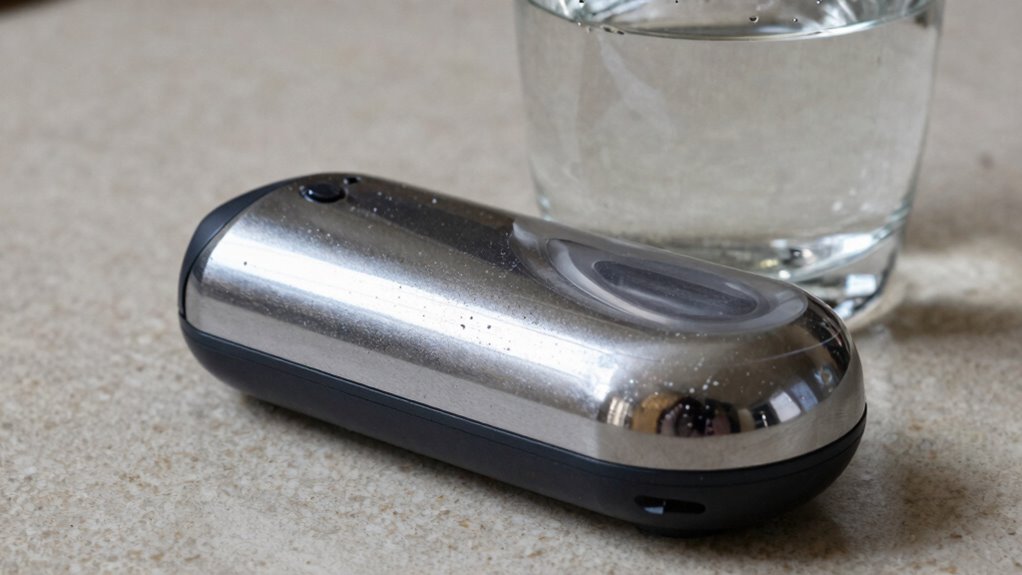
Electronic descalers are often marketed as simple, chemical-free solutions to hard water buildup, but they usually leave out important details about how they actually work—and don’t work—for everyone. Many vendors promote these devices as eco-friendly options, claiming they won’t harm the environment or require harsh chemicals. However, their environmental impact isn’t always as straightforward as it seems. Some argue that because they don’t remove minerals physically, they may just shift the problem rather than eliminate it. Over time, mineral deposits can still accumulate in pipes and appliances, potentially leading to blockages or damage. This raises questions about their long-term effectiveness, especially considering the potential need for repairs or replacements down the line.
Electronic descalers often claim to be eco-friendly but may just shift mineral buildup without long-term effectiveness.
When you look closely, electronic descalers typically operate by emitting electromagnetic or radio wave signals that supposedly alter the crystal structure of mineral ions in water. The idea is that these altered minerals won’t adhere as easily to surfaces, reducing scale buildup. But studies and real-world tests often show inconsistent results. Some users find that their appliances stay cleaner for a while, but many report no noticeable difference after prolonged use. This inconsistency highlights a key issue: their effectiveness varies depending on water composition, flow rates, and other environmental factors. So, while they might seem promising initially, their long-term performance isn’t guaranteed. Additionally, the specific water composition in different locations can significantly influence how well these devices perform, making their results unpredictable. In some cases, the minerals may still deposit elsewhere, causing environmental or plumbing concerns.
Furthermore, you should consider the environmental impact beyond just the absence of chemicals. Since these devices don’t remove minerals, the water’s mineral content remains unchanged. This means you’re still consuming water with high mineral levels, which can contribute to mineral buildup elsewhere, such as in the environment. If you’re aiming for a truly eco-friendly solution, relying solely on an electronic descaler might not be enough. There’s also the question of energy consumption—some models draw power continuously, adding an ongoing environmental footprint. Additionally, many users are unaware that hard water composition varies greatly depending on geographic location, which significantly influences the effectiveness of these devices. This variability further complicates the decision to rely on electronic descalers as a primary solution. It’s important to understand that alternative water treatment methods can offer more reliable results over time, especially in areas with particularly hard water.
In the end, you need to weigh the claims against the reality. Electronic descalers might reduce scale temporarily in some cases, but their long-term effectiveness is uncertain. They often leave out the vital point that they don’t physically remove minerals or address the root cause of hard water. If you’re concerned about environmental impact, it’s worth considering more extensive approaches—like water softening systems that use salt or other filtration methods—especially if you want a durable, consistent solution. Relying solely on an electronic device could be a gamble, and understanding its limitations helps you make a smarter choice for your home and the environment. Recognizing the limitations of electromagnetic devices is key to making an informed decision about water treatment options.
As an affiliate, we earn on qualifying purchases.
Frequently Asked Questions
Do Electronic Descalers Work With All Water Hardness Levels?
Electronic descalers work with most water hardness levels, but their effectiveness varies. They use water ionization to alter calcium molecules, helping with calcium reduction and reducing scale buildup. However, if your water is extremely hard, an electronic descaler might not be enough alone. You may need additional water treatment methods. Overall, they are suitable for mild to moderate hardness, but very hard water could require more thorough solutions.
Are Electronic Descalers Safe for All Types of Plumbing?
Electronic descalers are generally safe for all types of plumbing because they don’t involve chemicals that could cause corrosion or damage. You won’t have to worry about chemical concerns or environmental impact since they use electromagnetic signals instead of harmful substances. However, it’s wise to check specific models and consult with a professional if you have sensitive or specialized plumbing to guarantee compatibility and safety for your system.
How Long Does It Take to See Results After Installation?
Like planting a seed and waiting for it to grow, you usually see results from an electronic descaler within 1 to 3 weeks. Unlike chemical alternatives or traditional methods, which often take longer or require ongoing maintenance, electronic descalers work silently and efficiently. Patience pays off, as your pipes gradually become free of scale, offering a safe, eco-friendly solution that transforms your water quality over time.
Can Electronic Descalers Prevent Mineral Buildup Completely?
Electronic descalers can’t prevent mineral buildup completely, but they considerably reduce it. They work as chemical alternatives, altering mineral crystal growth, which keeps buildup minimal. Keep in mind, their effectiveness varies based on water hardness and usage. Plus, they offer a lower environmental impact compared to traditional chemical treatments. While they improve system longevity, regular maintenance is still essential to guarantee peak performance and prevent stubborn deposits.
What Maintenance Is Required for Electronic Descalers?
To maintain your electronic descaler, you should regularly clean the device and check for any signs of wear. No chemicals are needed because it works through altering mineral crystal growth via chemical reactions and energy consumption. Keep an eye on power connections and verify the device is functioning correctly. Routine maintenance guarantees peak performance, prolongs its lifespan, and prevents mineral buildup despite the technology’s effectiveness.
electronic water descaler reviews
As an affiliate, we earn on qualifying purchases.
As an affiliate, we earn on qualifying purchases.
Conclusion
So, next time you hear about electronic descalers, ask yourself—are you truly getting the whole story? While they promise to protect your appliances and save money, they often leave out the details about their limitations and what they can’t do. Remember, no solution is perfect. Isn’t it better to understand the full picture before making a choice? Stay informed, and choose wisely for your home’s long-term health.
traditional water softening system
As an affiliate, we earn on qualifying purchases.
As an affiliate, we earn on qualifying purchases.
water filtration system for hard water
As an affiliate, we earn on qualifying purchases.
As an affiliate, we earn on qualifying purchases.
Fall yard work Picks
leaf blowers
As an affiliate, we earn on qualifying purchases.