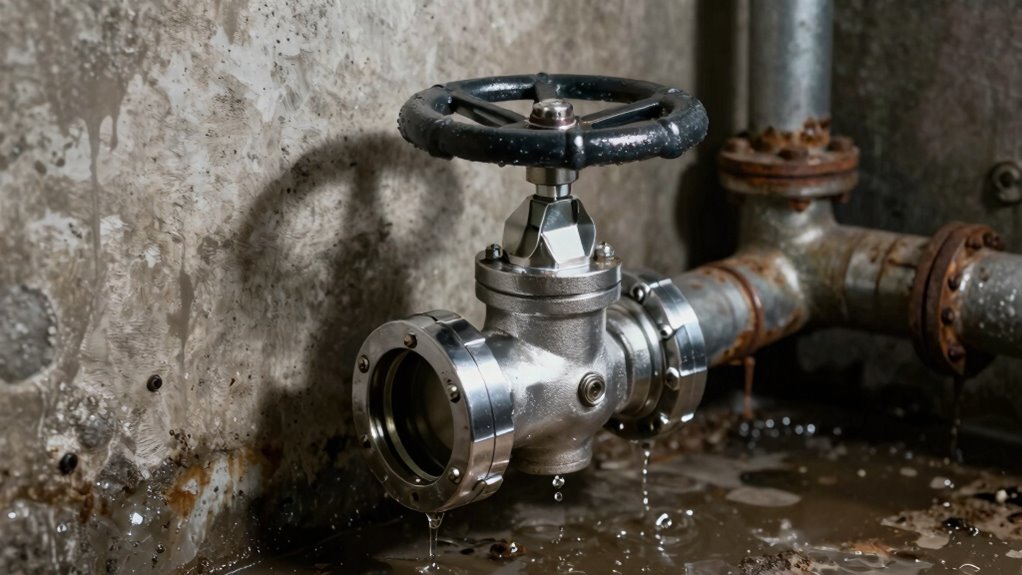

Backwater valves change your basement risk profile by acting as a barrier that prevents sewer backups and floodwaters from invading your home during heavy rains. They help reduce the chance of water damage and health hazards caused by sewer overflows. However, they aren’t foolproof and work best when combined with good drainage practices. To better understand how these systems can protect you and what additional measures may be needed, keep exploring.

Get home appliances delivered free with Prime
- Fast, free delivery on millions of items
- Prime Video, Amazon Music and more included
- Member-only deals all year
Key Takeaways
- Backwater valves prevent sewer backups, reducing the likelihood of basement flooding during heavy rain or sewer system overloads.
- They shift flood risk management from municipal infrastructure to property-level, emphasizing proper drainage and maintenance.
- Properly installed valves block reverse flow, lowering the chance of wastewater entering living spaces.
- Their effectiveness depends on complementary drainage measures, making integrated strategies essential.
- Backwater valves do not eliminate all flood risks, especially during overwhelmed sewer system events, requiring additional precautions.
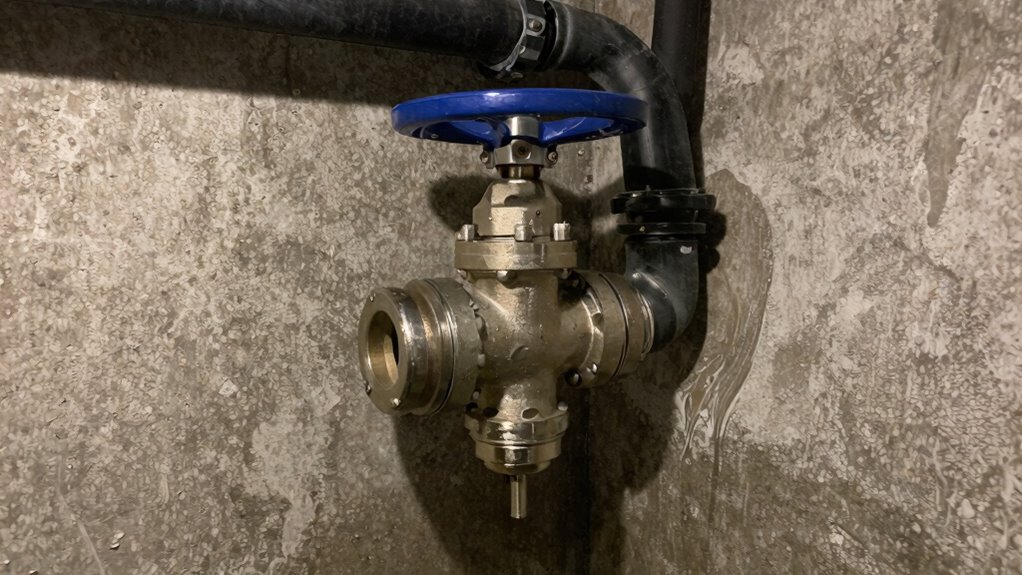
Backwater valves play a crucial role in protecting your basement from flooding, especially during heavy rains or sewer backups. These devices are designed to prevent wastewater from reversing into your home through the main sewer line. By doing so, they dramatically impact your basement’s risk profile, particularly when it comes to rainwater management and sewer backup prevention. When storms hit, excess rain can overwhelm municipal drainage systems, causing sewer lines to back up. Without a backwater valve, this backup can flood your basement, leading to costly damage and health hazards. Installing a backwater valve acts as a critical barrier, stopping floodwaters from invading your living space and minimizing water damage.
Backwater valves protect your basement from flooding by preventing sewer backups during heavy rains.
However, the presence of a backwater valve doesn’t just offer flood protection; it also alters how you should approach your home’s sewer and drainage systems. For example, it shifts some of the responsibility for rainwater management away from municipal systems and onto your property. While the valve prevents sewer backups, you still need to confirm that your gutters, downspouts, and yard drainage are effectively managing rainwater. Properly directing stormwater away from your foundation reduces the likelihood of water pooling around your basement walls and minimizes pressure on your sewer system. When rainwater is managed effectively, the backwater valve becomes more effective, as it only needs to handle sewer backups rather than excessive storm runoff. Additionally, understanding your property’s drainage capacity helps ensure all components work together to prevent flooding. Incorporating proper stormwater management techniques can significantly enhance the overall effectiveness of your flood prevention measures. Recognizing the importance of biodiversity-friendly solutions in landscape design can also contribute to better drainage and water absorption on your property.
The installation of a backwater valve also changes your approach to sewer backup prevention. It provides peace of mind but isn’t a standalone solution. You still need to maintain your drainage systems, clear debris from gutters, and ensure that your sump pump is working correctly. These combined measures create an all-encompassing strategy to safeguard your basement from various risks. Additionally, understanding how a backwater valve influences your risk profile means recognizing its limits. It won’t prevent all basement flooding—particularly if your property has poor drainage or if the municipal sewer system is overwhelmed during a storm. Proper rainwater management plays a vital role in maximizing the effectiveness of your backwater valve.
In essence, adding a backwater valve shifts some of your focus from simply relying on municipal infrastructure to actively managing your property’s drainage and sewer safety. It reduces the chances of sewer backup, especially during heavy rains, but it’s most effective when paired with good rainwater management practices. By understanding these dynamics, you can better prepare for storm events, reduce your risk of basement flooding, and protect your property’s value and safety. Ultimately, a backwater valve is a fundamental component in a strategic approach to basement safety, transforming your risk profile into a more manageable situation.
As an affiliate, we earn on qualifying purchases.
Frequently Asked Questions
How Long Do Backwater Valves Typically Last?
Backwater valves typically last 5 to 10 years, depending on usage and maintenance. Regularly inspecting and cleaning them helps guarantee ideal flood prevention and plumbing efficiency. Over time, wear and debris can impair their function, increasing flood risk. By replacing your backwater valve when necessary, you maintain effective flood prevention and keep your plumbing system running smoothly, safeguarding your basement from potential water damage.
Are Backwater Valves Maintenance-Free?
Backwater valves aren’t maintenance-free; about 60% require regular upkeep to stay effective. They’re essential for backflow prevention and water damage prevention, but dirt and debris can compromise their function. You need to inspect and clean them periodically, especially after heavy rains or flooding. Proper maintenance guarantees your basement stays dry, protects your property, and keeps your backflow prevention system working reliably. Neglecting this can lead to costly water damage.
Can Backwater Valves Be Installed in Any Basement?
Yes, you can install backwater valves in most basements, but it’s crucial to take into account your home’s specific setup. They’re a key part of basement waterproofing and flood prevention, helping block sewage backups during heavy rains. However, professional assessment ensures proper placement and compatibility with your drainage system. Proper installation minimizes flood risks and keeps your basement dry, making your home safer and more resilient against water damage.
What Is the Cost Range for Installing a Backwater Valve?
Wondering about the cost of flood prevention with a backwater valve? You’ll typically spend between $1,000 and $3,000 for installation, depending on your home’s plumbing complexity and local labor rates. This plumbing upgrade considerably reduces basement flood risks and offers peace of mind. Don’t wait until water threatens—invest now and safeguard your home with a reliable backwater valve, turning flood prevention into a smart, affordable choice.
Do Backwater Valves Require Regular Inspections?
Yes, backwater valves require regular inspections to guarantee effective flood prevention. You should schedule plumbing upgrades that include checking the valve’s functionality annually or after heavy storms. Regular inspections prevent clogs or malfunctions that could compromise your basement’s safety. By maintaining your backwater valve, you’re actively reducing flood risks and protecting your property, giving you peace of mind during severe weather or plumbing emergencies.
As an affiliate, we earn on qualifying purchases.
Conclusion
Installing a backwater valve is like giving your basement a shield against flooding, turning a potential disaster into a manageable risk. It actively prevents sewage backups, keeping your home safe and dry. By understanding how these valves change your risk profile, you’re better equipped to protect your property. Think of it as adding a sturdy gate to your home’s defenses—stronger, safer, and ready to keep the water out when it tries to sneak in.
As an affiliate, we earn on qualifying purchases.
As an affiliate, we earn on qualifying purchases.
Fall yard work Picks
leaf blowers
As an affiliate, we earn on qualifying purchases.