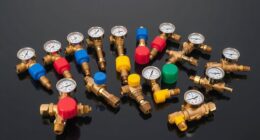
Sediment problems often start as pressure points caused by flow dynamics and reservoir management, not just surface buildup. When flow patterns shift or water levels are irregular, they create areas of high pressure that push sediments upward or cause irregular deposition. These hidden pressure points mask the real causes and can worsen over time if not managed properly. If you want to understand how to address these underlying issues effectively, keep exploring the system’s deeper dynamics.

Get home appliances delivered free — and shop member deals
- Fast, free delivery on millions of items
- Access to Prime Big Deal Days deals on October 6–7
- Prime Video, Amazon Music and more included
Key Takeaways
- Sediment buildup is driven by underlying pressure points caused by flow dynamics, not just surface accumulation.
- Changes in flow patterns create pressure points that promote sediment deposition and erosion.
- Reservoir management influences pressure points, affecting sediment transport and accumulation.
- Unmanaged flow variations worsen pressure points, leading to persistent sediment-related issues.
- Addressing pressure points holistically prevents sediment problems from escalating.
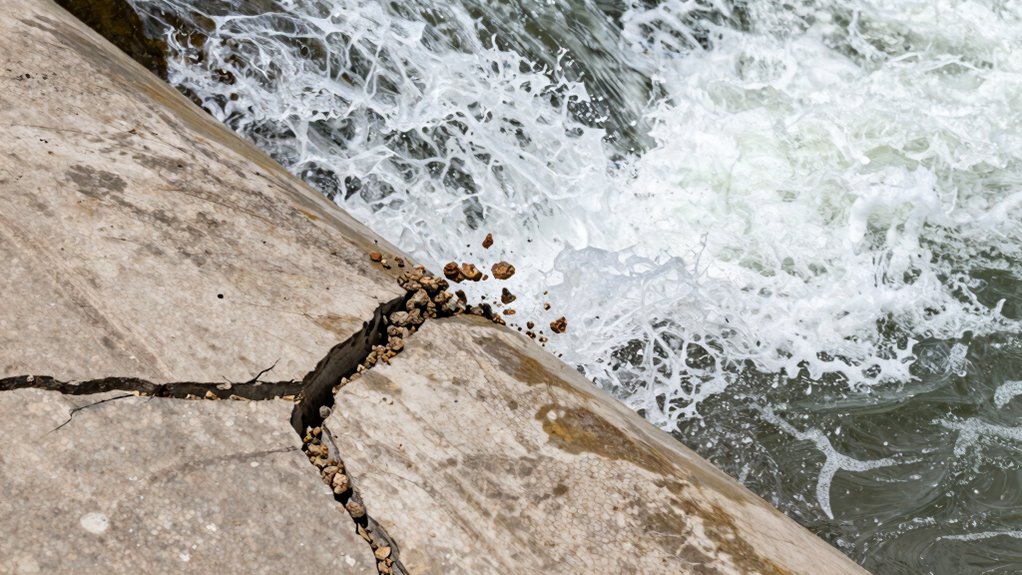
Many sediment issues originate not just from the sediment itself but from underlying pressure points that push these problems to the surface. When you look at sediment buildup, it’s tempting to see it as a simple matter of particles accumulating over time. However, the real root often lies in the flow dynamics within the water system and how reservoirs are managed. These factors create pressure points that drive sediment movement and deposition, making it essential to understand the broader system rather than just the sediment. Understanding flow patterns is crucial because they directly influence sediment transport and accumulation.
Flow dynamics plays a vital role here. The way water moves through rivers and reservoirs influences where sediment gathers or erodes. High flow velocities can pick up fine particles and carry them downstream, while slower flows cause sediments to settle. When flow patterns change—such as during flood events or altered water releases—pressure builds up on certain sections, causing sediment to accumulate unevenly. These pressure points can eventually lead to blockages, reduced water capacity, and habitat degradation. Recognizing the importance of reservoir management helps in anticipating and mitigating sediment-related issues before they worsen. Effective reservoir operation can help in maintaining consistent flow patterns, reducing sediment buildup and pressure points. Additionally, implementing sediment control techniques can further prevent excessive accumulation within the system. If you don’t account for these flow variations, sediment issues will persist and worsen over time.
Additionally, improper management of flow can lead to a feedback loop that exacerbates sediment problems, making proactive control essential. Reservoir management is another key piece of the puzzle. How you operate and regulate water levels directly impacts sediment behavior. For instance, inadequate flushing or irregular water releases can cause sediments to settle and compact, forming thick deposits that are difficult to remove later. Conversely, poorly timed releases may disturb accumulated sediments, sending plumes of particles downstream and creating new pressure points in the river system. Managing reservoirs with a clear understanding of flow dynamics helps mitigate these issues. It’s about balancing water releases, adjusting flow velocities, and preventing the buildup of sediments in critical zones.
When you ignore these underlying pressure points—those created by flow changes and reservoir operations—you’re only addressing surface symptoms of sediment problems. True resolution requires a systemic approach that considers how water moves and how reservoirs are operated. By implementing effective reservoir management practices that optimize flow patterns, you can reduce sediment accumulation and prevent pressure points from forming. This not only prolongs the lifespan of your water infrastructure but also improves ecological health and water quality.
In essence, sediment problems are rarely isolated issues. They originate from pressure points rooted in flow dynamics and reservoir management. Recognizing this interconnectedness allows you to develop strategies that target the real causes, rather than just the symptoms. When you control the pressure points—by managing flow and reservoir operations—you control the sediment issues before they escalate into larger, more costly problems.
As an affiliate, we earn on qualifying purchases.
Frequently Asked Questions
How Can Pressure Issues Be Identified Early in Sediment Problems?
You can spot pressure issues early in sediment problems by monitoring changes in flow velocity and sediment layering. If flow slows down or sediment layers become more compacted, it indicates rising pressure. Keep an eye on these signs, as they often precede more significant problems. Regular inspections and measuring flow rates help you detect these early indicators, allowing you to address pressure issues before they escalate into serious sediment-related challenges.
What Tools Are Best for Measuring Pressure in Sediment Systems?
You should use pressure sensors like piezometers or transducers to measure pressure in sediment systems accurately. These tools provide real-time data, helping you identify pressure fluctuations early. After collecting measurements, perform data analysis to detect abnormal pressure patterns that could signal sediment issues. Regular monitoring with these tools allows you to address potential problems before they escalate, ensuring sediment stability and system integrity.
How Does Pressure Influence Sediment Particle Movement and Deposition?
Pressure directly influences sediment particle movement by affecting particle dynamics and flow resistance. When pressure increases, it boosts water flow, overcoming resistance and mobilizing particles. Conversely, low pressure reduces flow energy, causing particles to settle and deposit. Efficiently managing pressure helps control sediment transport, preventing buildup. Understanding this relationship allows you to predict where sediment might accumulate and address issues before they escalate, ensuring system stability.
Can Pressure Problems Cause Long-Term Damage to Water Infrastructure?
Yes, pressure problems can cause long-term damage to water infrastructure. Pressure fluctuations lead to sediment erosion, weakening pipes and joints over time. Repeated stress from these fluctuations accelerates corrosion and causes cracks, which can result in leaks or failures. Ignoring these pressure issues allows sediment buildup and erosion to worsen, ultimately compromising the integrity of your water system and demanding costly repairs or replacements down the line.
What Preventive Measures Reduce Pressure-Related Sediment Buildup?
To prevent pressure-related sediment buildup, focus on proactive pressure regulation and sediment stabilization techniques. Regularly monitoring and adjusting pressure levels helps avoid undue stress that causes sediment accumulation. Implementing proper flow management and installing pressure relief valves can maintain steady conditions. Additionally, routine cleaning and maintenance of pipelines guarantee sediment doesn’t settle and harden, preserving infrastructure integrity and reducing long-term issues caused by pressure fluctuations.
reservoir sediment removal equipment
As an affiliate, we earn on qualifying purchases.
As an affiliate, we earn on qualifying purchases.
Conclusion
Think of your system like a garden hose; if you squeeze it in one spot, water backs up and causes trouble elsewhere. That’s what happens with sediment and pressure—small issues with pressure often lead to bigger sediment problems down the line. I once watched a neighbor’s pipe burst because unnoticed pressure buildup caused sediment to clog the flow. Pay attention early, and you prevent a costly mess later. Address pressure problems now to keep your system flowing smoothly.
flow management sensors for water systems
As an affiliate, we earn on qualifying purchases.
As an affiliate, we earn on qualifying purchases.
sediment pressure monitoring devices
As an affiliate, we earn on qualifying purchases.
As an affiliate, we earn on qualifying purchases.
NFL season / tailgating Picks
team gear
As an affiliate, we earn on qualifying purchases.