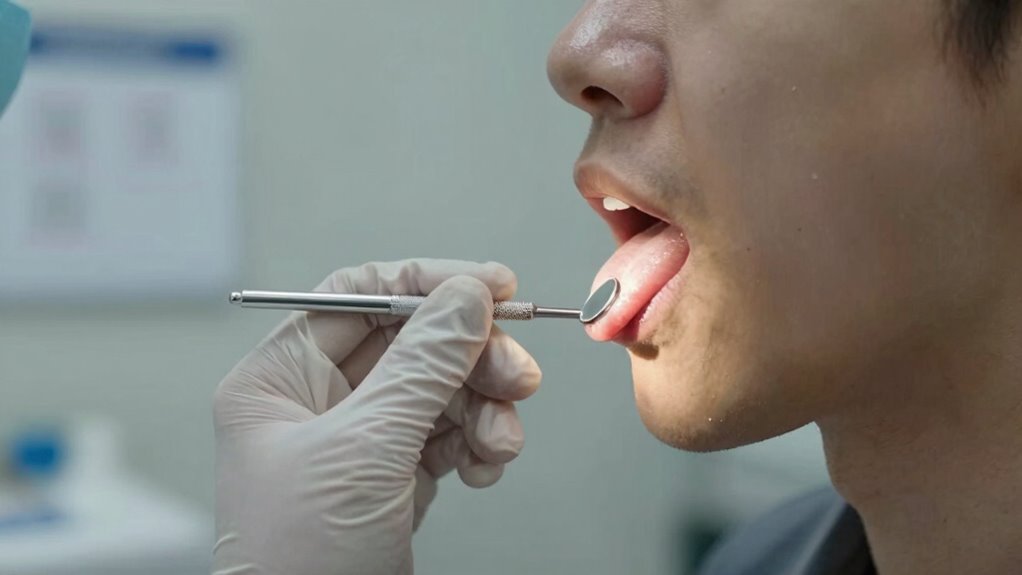

To diagnose taste changes without chasing every theory, focus on your specific symptoms and how long they’ve lasted. Watch for signs like persistent loss of taste, metallic tastes, or additional issues like numbness or difficulty swallowing. Seek professional testing, such as taste sensitivity tests and blood work, especially if symptoms persist or worsen. Avoid jumping to conclusions—consult healthcare providers who can evaluate your medical history and recommend targeted tests. Keep exploring for more insights to help clarify your situation.

Get home appliances delivered free with Prime
- Fast, free delivery on millions of items
- Prime Video, Amazon Music and more included
- Member-only deals all year
Key Takeaways
- Seek professional medical evaluation for persistent or worsening taste changes.
- Undergo targeted tests like taste assessments, blood work, or imaging as recommended by a healthcare provider.
- Document accompanying symptoms and duration to help narrow down potential causes.
- Avoid self-diagnosis; rely on clinical examination and expert advice rather than online speculation.
- Focus on identifying underlying health issues to determine appropriate treatment and restore taste function.
Have you noticed a sudden change in your sense of taste? It can be unsettling, especially if you’re unsure whether it’s a temporary issue or something more serious. Your taste buds, tiny sensory organs on your tongue, are responsible for detecting flavors and sending signals to your brain. When these taste buds are affected—by illness, medication, or other factors—the way you perceive taste can dramatically shift. Instead of jumping to conclusions or chasing every theory about what might be causing your taste changes, it’s best to start with a clear, methodical approach.
First, consider whether your taste change is persistent or intermittent. Is it a sudden loss of flavor, a metallic or bitter taste, or a generally dulled palate? These details matter because they help pinpoint potential causes. Often, temporary taste alterations are linked to common issues like colds, sinus infections, or allergies. These conditions can temporarily affect your taste buds or the nerve pathways involved in taste sensation. In such cases, managing the underlying illness usually restores your normal taste. Additionally, understanding the anatomy of taste pathways can shed light on how different issues may impact your sense of taste.
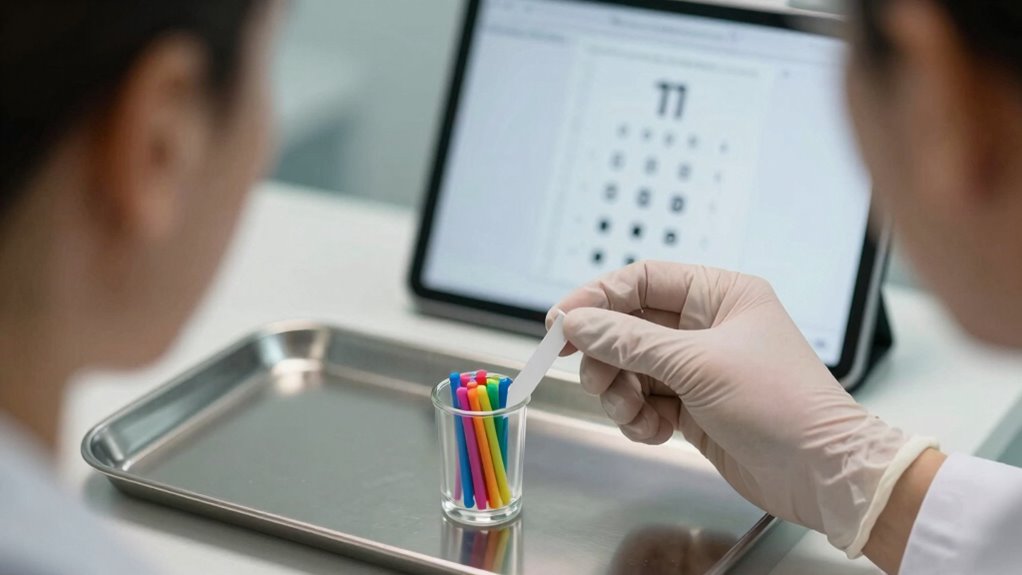
If your taste changes last for more than a week or are accompanied by other symptoms—such as difficulty swallowing, numbness, or facial pain—it’s time to seek medical testing. A healthcare professional can perform targeted tests to diagnose the problem accurately. Medical testing might include taste tests, where different flavors are applied to your tongue to evaluate your taste sensitivity. These tests help determine whether your taste buds are functioning normally or if nerve damage might be involved. Blood tests might also be ordered to rule out systemic issues like deficiencies, infections, or autoimmune conditions that can impact taste. Furthermore, neuroanatomy plays a crucial role in understanding how neurological issues can lead to taste disturbances, aiding in diagnosis. Developing a comprehensive understanding of sensory system functions can improve the accuracy of diagnosing complex taste disorders.
You shouldn’t try to self-diagnose or rely solely on online information. Instead, visit a healthcare provider who can assess your symptoms thoroughly. They might review your medical history, medications, and lifestyle factors that could influence taste. Sometimes, imaging studies like MRI or CT scans are necessary if neurological causes are suspected. In many cases, a simple clinical examination and targeted testing are enough to clarify what’s going on. Recognizing the importance of systematic diagnosis can help you avoid unnecessary worry and focus on effective treatment options.
Ultimately, the key is to approach taste changes systematically rather than chasing every possible theory. Recognize that many factors—minor or serious—can influence taste. By consulting a medical professional and undergoing appropriate testing, you can get to the root of the problem efficiently. This approach saves you time, reduces unnecessary worry, and ensures you receive the right treatment to restore your sense of taste.
As an affiliate, we earn on qualifying purchases.
Frequently Asked Questions
Can Taste Changes Indicate a Serious Underlying Health Condition?
Taste changes can sometimes signal a serious underlying health condition, especially if accompanied by other symptoms. You should consider diet modifications and undergo sensory assessments to identify potential causes. Persistent taste alterations warrant medical attention, as they could indicate issues like infections, neurological problems, or nutritional deficiencies. Don’t disregard ongoing changes; consulting a healthcare professional helps ensure proper diagnosis and treatment, avoiding unnecessary worry or overlooked health concerns.
How Long Do Taste Changes Typically Last?
Think of your taste perception as a delicate melody playing softly. Usually, taste changes last from a few days to several weeks, depending on their cause. Your taste sensitivity can fluctuate, making flavors seem muted or distorted. If these alterations persist beyond a few weeks, it’s like a dissonant note that needs attention. Monitoring your symptoms helps determine whether they’re temporary or signal a deeper issue requiring medical advice.
Are There Specific Foods That Can Help Restore Taste?
To help restore your taste, try flavor enhancement with herbs, spices, and citrus to boost what you can still perceive. Incorporate dietary adjustments like creamy or textured foods, which can stimulate your taste buds. Focus on a balanced diet rich in fruits, vegetables, and lean proteins, avoiding overly salty or sugary foods that might dull your senses further. These steps can support your taste recovery and make eating more enjoyable.
Do Medications Affect Taste Perception?
Medications can act like sneaky pirates, hijacking your taste buds unnoticed. Many drugs, through medication side effects or drug interactions, can dull or distort your sense of taste. Certain antibiotics, antihistamines, or blood pressure meds are common culprits. If you notice taste changes, check your medication labels or consult your doctor. Adjusting dosages or switching drugs might help restore your flavor sense and keep your taste buds sailing smoothly.
When Should I See a Specialist for Taste Issues?
You should see a specialist if your taste issues persist despite trying dietary adjustments or if they suddenly worsen or are accompanied by other symptoms like pain or numbness. A specialist can perform sensory testing to accurately diagnose the problem. Don’t delay seeking help if your taste changes interfere with your daily life, as early intervention can improve outcomes and identify underlying health concerns effectively.
As an affiliate, we earn on qualifying purchases.
Conclusion
Imagine your senses as a delicate symphony, where each note matters. When taste shifts unexpectedly, don’t chase every fleeting theory—trust your intuition and seek clarity. By understanding the signals your body sends, you can find your harmony again. Remember, patience and awareness are your guiding lights through this quiet maze. With gentle care, you’ll rediscover the rich flavors of life, savoring each moment like a treasured melody returning softly into tune.
As an affiliate, we earn on qualifying purchases.
As an affiliate, we earn on qualifying purchases.
Halloween Picks
halloween
As an affiliate, we earn on qualifying purchases.