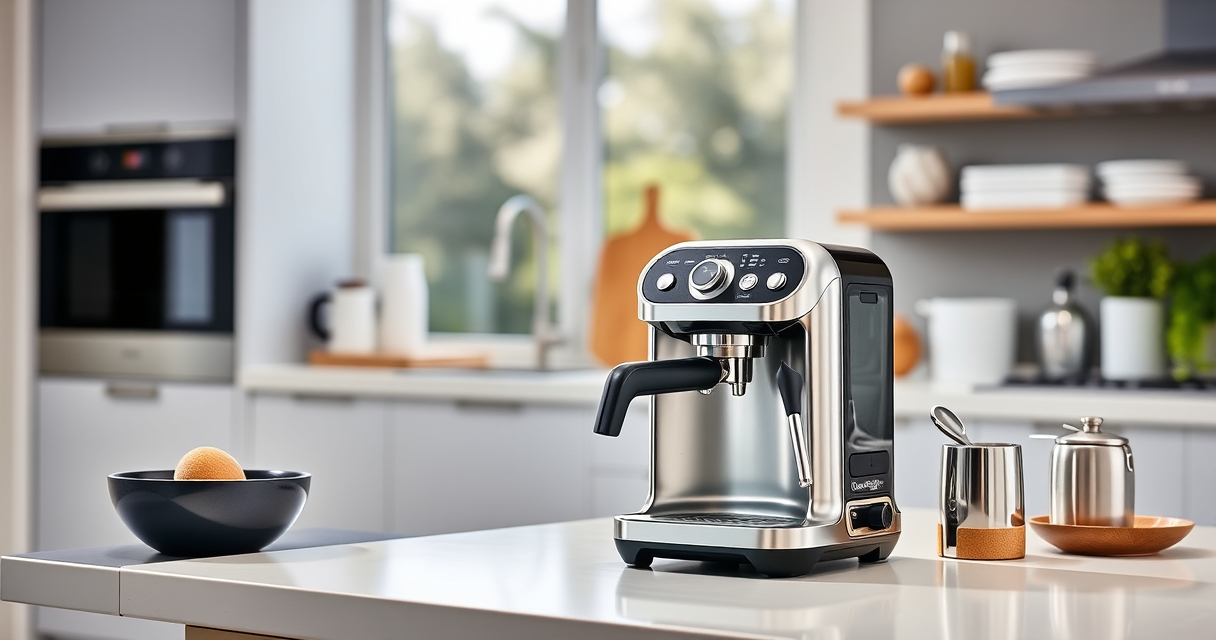
If your De’Longhi Magnifica Evo or similar model is leaking water, it can be frustrating and disruptive to your daily coffee routine. Water leaks often indicate underlying issues that need addressing to restore your machine’s performance.

Get home appliances delivered free with Prime
- Fast, free delivery on millions of items
- Prime Video, Amazon Music and more included
- Member-only deals all year
In this guide, we’ll walk you through practical troubleshooting steps, safety tips, and maintenance advice to fix water leaks effectively. Whether it’s a minor seal issue or a more complex problem, these instructions are designed to help you resolve the leak safely and efficiently.
Key Takeaways
| Identify the Leak Source | Locating where the water is leaking from helps target the fix. |
| Check Water Connections | Loose or damaged hoses can cause leaks. |
| Inspect Seals and Gaskets | Worn seals often lead to water escaping. |
| Clean and Descale Regularly | Mineral buildup can cause blockages and leaks. |
| Replace Faulty Parts | Worn or broken components need replacing for a permanent fix. |
Identify the Source of the Water Leak
The first step is to determine exactly where the water is leaking from. Common areas include the water reservoir, the brew head, the drain tray, or internal hoses.
Start by unplugging the machine and visually inspecting all accessible parts. Check for puddles or drips around the water reservoir, and see if water is escaping from the brew head or the drain tray. If the leak is internal, you may notice water pooling inside or underneath the machine.
Understanding the leak location helps you focus your troubleshooting efforts on the right components, saving time and avoiding unnecessary disassembly.
Check and Secure Water Connections
Loose or damaged water hoses are a common cause of leaks in fully automatic espresso machines like the De’Longhi Magnifica Evo. Carefully examine all visible hoses and connections, especially around the water reservoir and internal pathways.
If you find any hoses that are loose, secure them firmly. Look for cracks or signs of wear, which may require replacing the hoses. Ensure the water reservoir is properly seated and locked into position, as an improperly fitted reservoir can cause leaks.
For internal connections, if you’re comfortable, gently disconnect and reconnect hoses to ensure they are snug, but avoid forcing them, which can cause damage.
Inspect and Replace Seals and Gaskets
Worn or damaged seals and gaskets are often the culprits behind persistent leaks. Check around the brew head, water inlet, and other access points for signs of deterioration, such as cracks, brittleness, or missing pieces.
If you notice any compromised seals, replace them with original parts or compatible replacements. This is especially important for the water inlet gasket, which seals the connection between the water tank and the internal system.
Replacing seals and gaskets restores the airtight and watertight integrity of your machine, preventing leaks and ensuring optimal performance.
Descale and Clean Your Machine
Mineral deposits and lime scale buildup can obstruct water flow and cause leaks. Regular descaling with the right products, such as the De’Longhi EcoDecalk Descaler, is essential for maintaining your machine’s health.
Follow the manufacturer’s instructions for descaling, typically involving running a descaling solution through the machine’s water circuit. Additionally, clean the drip tray, water reservoir, and brew head regularly to prevent blockages and buildup.
Consistent cleaning reduces the risk of leaks caused by mineral deposits and keeps your coffee tasting fresh.
Replace Faulty Components and Seek Professional Help
If you’ve identified a damaged or worn part that cannot be repaired with simple cleaning or resealing, replacing it is the best course of action. Use original replacement parts to ensure compatibility and reliability.
For internal components like pumps or valves that are malfunctioning, consider contacting a professional repair service or De’Longhi authorized technician. Attempting complex repairs without proper tools and knowledge can cause further damage or void your warranty.
Always prioritize safety and professional assistance for complex issues.
The Products in This Guide
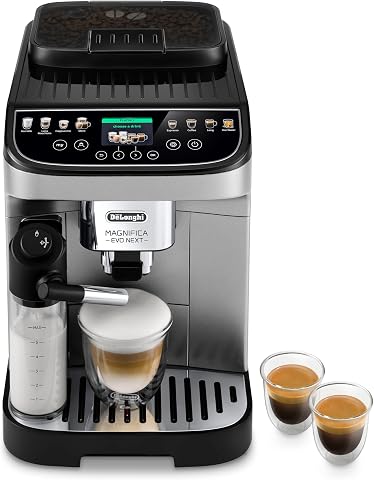
De’Longhi Magnifica Evo Next Fully Automatic Espresso Ma
- ✔ Weight: 14.3 lbs
- ✔ Dimensions: 11.6 x 15.5 x 14.2 inches
- ✔ Voltage: 120V

De’Longhi Replacement Water Filter
- ✔ Weight: 2 oz
- ✔ Dimensions: 2 x 2 x 4 inches
- ✔ Replacement Interval: Every 2 months
De’Longhi Magnifica Evo Next Fully Automatic Espresso Ma
The De’Longhi Magnifica Evo Next Fully Automatic Espresso Machine is a top-rated choice for coffee lovers. It offers programmable options, a built-in grinder, and milk frother, making it versatile and user-friendly. Its high performance and innovative features make it a reliable option for daily use.
Pros:
- Multiple one-touch recipes
- Built-in grinder with 13 settings
- Automatic milk frothing system
- Hot & cold beverage options
Cons:
- Can be complex for beginners
- Requires regular descaling
- Higher price point
Best for: Coffee enthusiasts seeking a versatile, all-in-one espresso machine
Not ideal for: Users looking for a simple, manual espresso maker
Bottom line: A high-performance espresso machine with advanced features, ideal for coffee lovers.
De’Longhi Replacement Water Filter
Using the De’Longhi Replacement Water Filter helps improve water quality, which can reduce mineral buildup and leaks. Easy to install and replace, it enhances your machine’s performance over time.
Pros:
- Improves water taste
- Reduces scale buildup
- Easy to install
- Maintains machine efficiency
Cons:
- Requires regular replacement
- Additional cost
- Limited to compatible models
Best for: Maintaining water quality and prolonging machine life
Not ideal for: If your leak is caused by internal hardware failure
Bottom line: A cost-effective way to keep your water clean and your coffee tasting great.
Frequently Asked Questions
Why is my De’Longhi espresso machine leaking water?
Leaks can be caused by loose hoses, worn seals, mineral buildup, or internal component failure. Proper inspection and maintenance are key to resolving the issue.
How often should I descale my De’Longhi machine?
It’s recommended to descale every 2-3 months, especially if you use hard water. Regular descaling prevents mineral buildup that can cause leaks and performance issues.
Can I fix internal leaks myself?
If you are comfortable with disassembly and have the right replacement parts, some internal issues like seals or hoses can be fixed at home. Otherwise, professional repair is advised.
What parts commonly need replacing if my machine leaks?
Worn seals, gaskets, hoses, or internal valves are common culprits. Replacing these parts can often resolve leaks effectively.
How do I prevent future leaks?
Regular maintenance, including descaling and checking seals and hoses, helps prevent leaks. Use filtered water and avoid overfilling the water reservoir.
Keep Your Coffee Fresh and Your Machine Leak-Free
Regular maintenance and timely troubleshooting are essential to keep your De’Longhi espresso machine running smoothly. By following these steps, you can identify the source of water leaks and address them safely, ensuring your favorite coffee beverages are always just a button away. Remember, if internal components are damaged, seeking professional help or replacing parts with original accessories is the best way to preserve your machine’s longevity and performance.
Affiliate disclosure: As an Amazon Associate we earn from qualifying purchases. Prices and availability are accurate as of the time of publishing.
Halloween Picks
halloween
As an affiliate, we earn on qualifying purchases.