
To guarantee effective water treatment, you should start with initial screening to remove large debris, followed by filtration to target smaller particles and sediments. Then, add chemicals like coagulants to improve clarity, and finally, perform disinfection to eliminate pathogens. This sequence prevents recontamination and guarantees water safety. Most systems often mix these steps, but mastering the correct order enhances efficiency and quality—if you keep exploring, you’ll discover the full process.

Get home appliances delivered free with Prime
- Fast, free delivery on millions of items
- Prime Video, Amazon Music and more included
- Member-only deals all year
Key Takeaways
- Proper sequencing starts with initial screening to remove large debris, preventing downstream clogging.
- Filtration should follow debris removal to target smaller particles and improve water clarity.
- Chemical dosing must occur after filtration to effectively coagulate contaminants without wasting chemicals.
- Disinfection is most effective when performed after filtration and chemical treatment to eliminate pathogens.
- Final steps like pH adjustment and mineral addition should be last, ensuring water safety and quality.
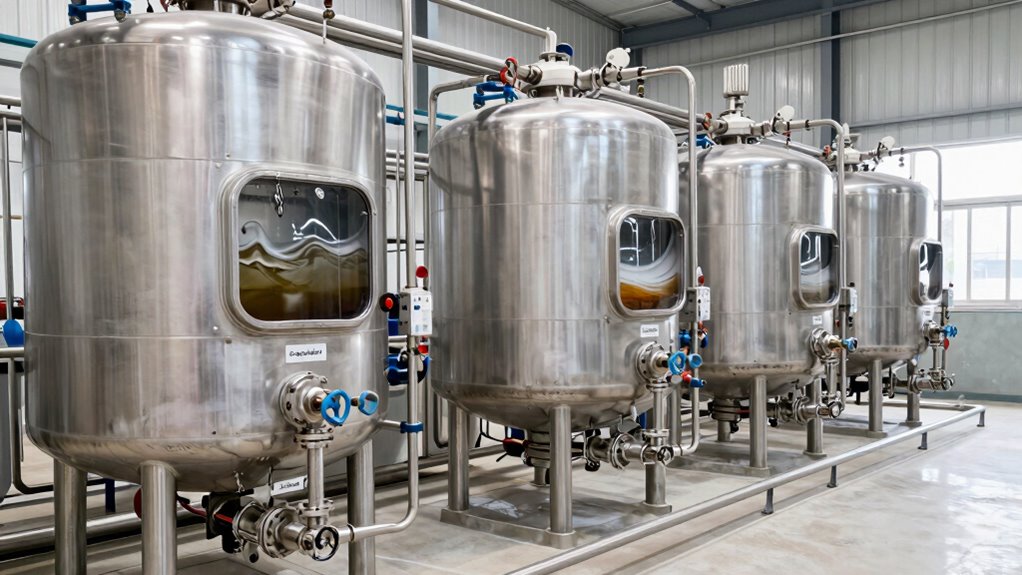
Water treatment involves several indispensable stages that work together to make water safe for drinking and other uses. When done correctly, these steps guarantee contaminants are removed efficiently, and the water quality meets safety standards. However, many systems get the order of these stages wrong, which can compromise the entire process. Understanding the proper sequence is essential for effective water treatment.
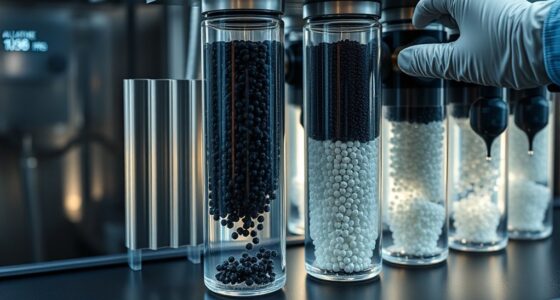
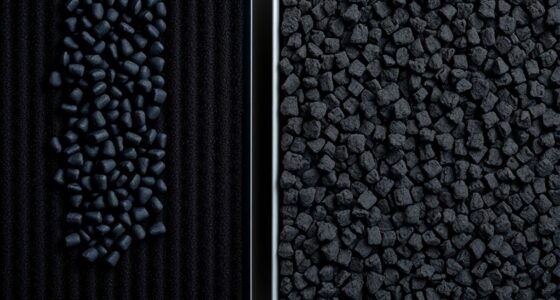
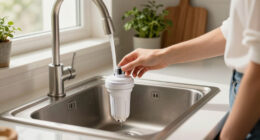
The first step in most water treatment systems is typically screening or preliminary filtration. This initial process removes large debris such as leaves, trash, and other floating materials. By doing this early, you prevent clogging or damaging subsequent equipment. After that, filtration processes come into play. Filtration is critical because it targets smaller particles, sediments, and some microorganisms. Using methods like sand filters, activated carbon, or membrane filtration, you can greatly reduce turbidity and improve water clarity. Proper filtration at this stage sets the foundation for the next steps, guaranteeing that smaller particles don’t interfere with chemical treatments or disinfection.
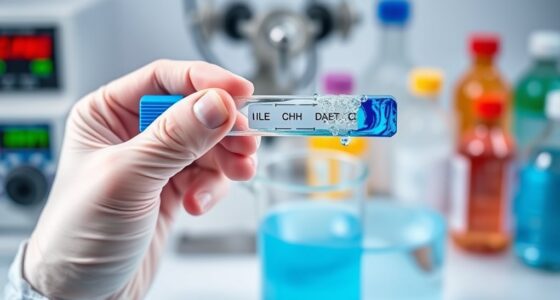
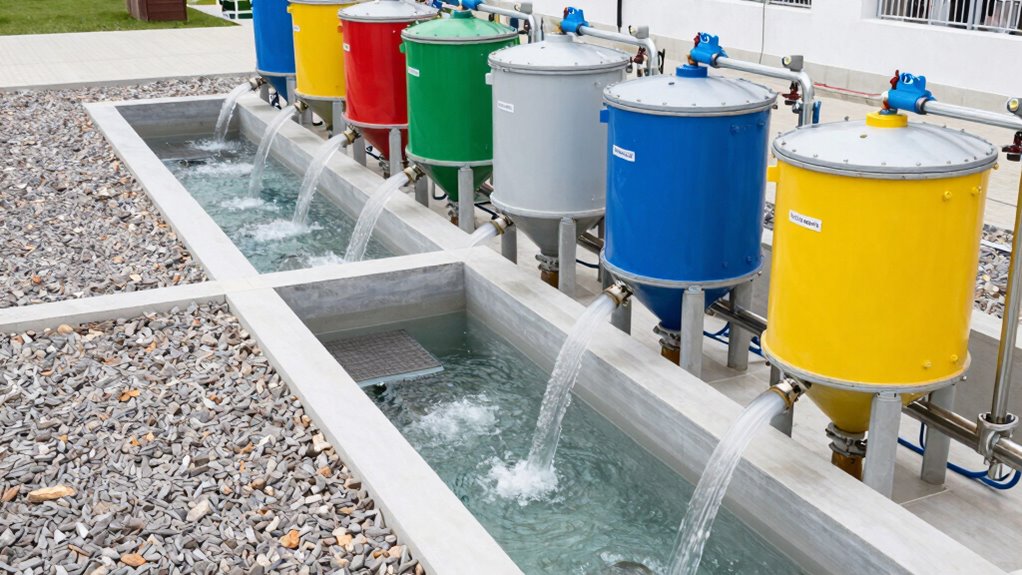
Once filtration is complete, chemical dosing is introduced. This step involves adding specific chemicals to the water to neutralize or remove dissolved contaminants. Common chemicals include coagulants like alum, which help small particles clump together for easier removal, and pH adjusters to balance acidity or alkalinity. The timing of chemical dosing is paramount; doing it after filtration ensures that chemicals are not wasted on large debris and that they can effectively target dissolved pollutants. Proper chemical dosing enhances the efficiency of subsequent disinfection and guarantees residual contaminants are minimized. Additionally, automated control systems are often used to optimize chemical application, ensuring consistency and safety.
Disinfection is usually the next step, where disinfectants like chlorine or chloramine are added to kill bacteria, viruses, and other pathogens. Disinfection is most effective after filtration and chemical dosing because it targets the remaining microorganisms that could pose health risks. If disinfection occurs too early, it might be less effective, as particulates could shield microbes from disinfectants. Conversely, if it’s improperly timed after chemical dosing, residual chemicals could react and produce undesired byproducts. Therefore, the sequence—filtration followed by chemical dosing, then disinfection—is essential for a safe, reliable water supply.
Finally, some systems include additional steps like pH adjustment, fluoridation, or mineral addition, depending on local needs and regulations. But the core sequence remains consistent: start with removing large debris, then filter to eliminate smaller particles, followed by chemical dosing for targeted treatment, and finish with disinfection. Getting this order right guarantees each stage functions correctly, preventing recontamination and producing water that’s safe, clear, and healthy to drink.
As an affiliate, we earn on qualifying purchases.
Frequently Asked Questions
How Often Should Water Treatment Systems Be Inspected?
You should inspect your water treatment system at least once every 6 to 12 months. Regular system maintenance and inspection frequency help guarantee it operates efficiently and safely. Keep an eye out for signs of wear or malfunction, and don’t skip scheduled inspections. Proper maintenance prolongs your system’s lifespan and guarantees the water quality you need. Remember, consistent inspections are key to avoiding costly repairs and ensuring clean, safe water.
What Are Common Signs of System Malfunction?
When your water starts to taste or smell off, it’s like a warning siren blaring—signs of system contamination or equipment malfunction. You might notice cloudy water, strange discoloration, or decreased flow. If filters look dirty or equipment makes unusual noises, it’s time to act. These signs indicate your system isn’t working right, risking contamination and requiring prompt inspection to keep your water safe and clean.
Can Treatment Stages Be Customized for Different Water Sources?
Yes, you can customize treatment stages to account for source variability. When dealing with different water sources, adjusting processes like filtration, disinfection, or pH adjustment guarantees ideal results. You should analyze the specific contaminants and characteristics of each source, then modify the treatment steps accordingly. This tailored approach enhances water quality, prevents system malfunction, and guarantees safety, giving you confidence in your water treatment system’s effectiveness.
How Do I Choose the Right Water Treatment System?
You choose the right water treatment system by first evaluating your water quality—testing for contaminants and mineral content. Then, consider system efficiency, ensuring it effectively removes pollutants without excess energy use. Look for systems tailored to your specific water source and needs. Prioritize those with proven performance, easy maintenance, and certifications. This approach guarantees safe, clean water while optimizing costs and system longevity.
What Are the Environmental Impacts of Water Treatment?
You should consider that water treatment can have environmental impacts, like chemical runoff that contaminates soil and water sources. It may also cause ecosystem disturbance, affecting aquatic life and plant habitats. By choosing treatment methods carefully and minimizing chemical use, you help protect the environment. Proper management reduces negative effects, ensuring cleaner water and healthier ecosystems for everyone.
As an affiliate, we earn on qualifying purchases.
Conclusion
Did you know that over 90% of water treatment systems get the order of stages wrong? Getting it right is essential to guarantee your water is truly safe and clean. By understanding the correct sequence—preliminary, primary, secondary, and disinfection—you can confidently assess or improve your system’s effectiveness. Don’t overlook these steps; they’re critical for removing contaminants and protecting your health. Get it right, and enjoy pure, safe water every day.
water treatment chemical dosing equipment
As an affiliate, we earn on qualifying purchases.
As an affiliate, we earn on qualifying purchases.
sediment and debris water filter
As an affiliate, we earn on qualifying purchases.
As an affiliate, we earn on qualifying purchases.
Fall yard work Picks
leaf blowers
As an affiliate, we earn on qualifying purchases.