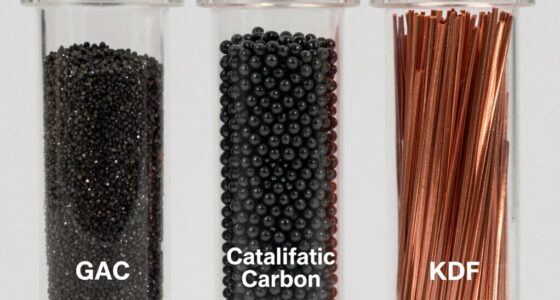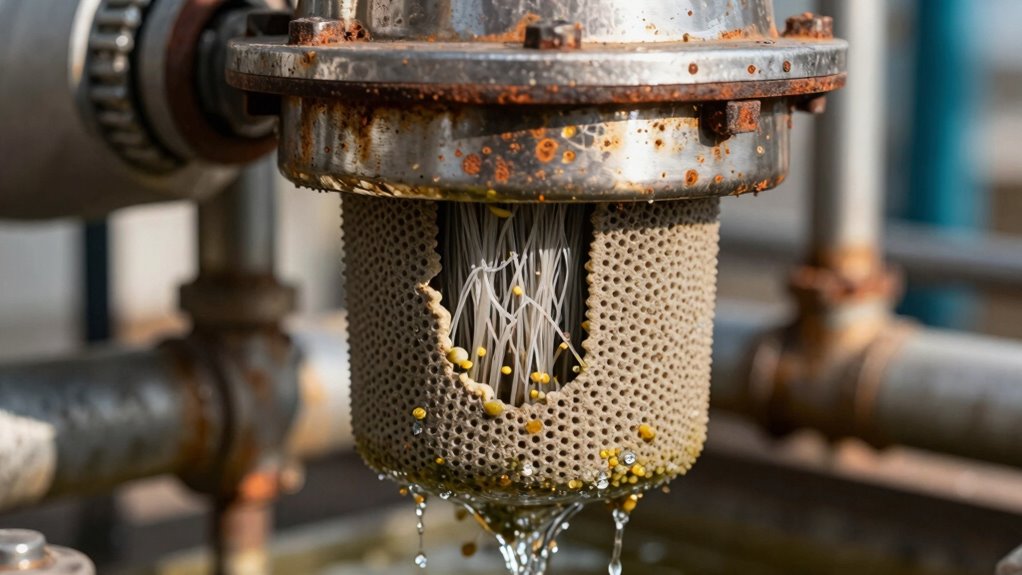
A sacrificial first stage in your water system acts as a protective barrier that captures large particles and debris, preventing damage to sensitive or expensive downstream components. It prolongs the lifespan of your filters and reduces maintenance needs by catching debris early. This stage also guarantees your system runs smoothly and maintains consistent water quality. If you want to know how this simple addition can save you time and money, keep exploring.
Listen free for 30 days with Audible
Thousands of audiobooks and originals — cancel anytime.
As an affiliate, we earn on qualifying purchases.
Key Takeaways
- To trap large particles and impurities, preventing damage to sensitive downstream components.
- It extends the lifespan of main filters and reduces maintenance frequency.
- Acts as a first defense, maintaining overall filtration efficiency and system performance.
- Simplifies maintenance and prevents costly repairs by catching debris early.
- Enhances system longevity by protecting critical parts from clogging and wear.

Have you ever wondered how a water system begins its journey? It’s a complex process that starts with raw water, which often contains impurities like dirt, debris, and organic matter. To guarantee clean, safe water, this initial stage is essential. That’s where the concept of a “sacrificial” first stage comes into play. It’s designed to take the brunt of the contaminants, protecting the rest of the system and maintaining overall filtration efficiency. This first barrier acts as a buffer, capturing larger particles before they reach more sensitive or expensive treatment components.
You might wonder why some systems need this sacrificial stage at all. The answer lies in how it simplifies system maintenance and extends the lifespan of downstream filters. By trapping larger debris upfront, the initial filter reduces wear and tear on more delicate parts. This means less frequent cleaning and replacement, saving you both time and money. Plus, it helps keep the entire water treatment process running smoothly, without interruptions caused by clogging or equipment failure. Recognizing the importance of preventative measures like this can significantly improve the longevity of your water system. Implementing a sacrificial filter is also a cost-effective way to reduce system downtime and avoid costly repairs.
The sacrificial filter’s role in maintaining filtration efficiency is indispensable. It ensures that smaller, more harmful particles don’t slip through, which could compromise water quality or damage subsequent filters. In essence, it acts as a first line of defense, catching what could otherwise cause blockages or reduce the effectiveness of the entire system. When this filter gets clogged, it signals you that it’s time for maintenance. Regularly replacing or cleaning this first stage keeps the system operating at peak performance, ensuring consistent water quality. Properly designed sacrificial stages can also help prevent system overload, especially in areas prone to high sediment levels. Additionally, understanding the filter lifespan can help in planning proactive maintenance schedules to minimize disruptions.
Additionally, because this initial filter is designed to be sacrificial, it’s usually easy and inexpensive to replace. This makes it an efficient way to manage system maintenance, especially in environments with high levels of sediment or organic debris. Implementing a protective barrier in your water system can prevent costly repairs and extend the life of your entire water system. By prioritizing this first stage, you’re effectively protecting the more critical, often more costly, components downstream. This simple step can prevent costly repairs and extend the life of your entire water system.
As an affiliate, we earn on qualifying purchases.
Frequently Asked Questions
How Often Should the First Stage Filter Be Replaced?
You should replace the first stage filter every 3 to 6 months to maintain proper filtration efficiency and system longevity. Regular replacement prevents clogging and guarantees your water remains clean and safe. If you notice a decrease in water flow or taste changes, replace it sooner. Consistent maintenance keeps the filtration system working effectively, extending its lifespan and protecting your appliances and health.
Can a Sacrificial First Stage Remove All Contaminants?
A stitch in time saves nine, and your sacrificial first stage can’t remove all contaminants. It’s designed to target specific impurities and protect your main filters, but over time, its filter lifespan diminishes. While it’s effective at reducing certain contaminants, it won’t eliminate every impurity. Regular maintenance and filter replacements are essential to guarantee ideal contaminant removal and keep your water system functioning properly.
What Are Signs the First Stage Needs Maintenance?
You’ll notice signs like reduced water flow or strange taste, indicating your first stage requires maintenance. Regularly check for corrosion, as it can compromise the system’s integrity and hinder corrosion prevention. Be alert for contaminant detection issues, such as cloudy water or unusual odors, which suggest the filter isn’t functioning effectively. Performing routine inspections and timely replacements helps keep your system efficient and guarantees clean, safe water.
Is a Sacrificial First Stage Necessary for Well Water?
Think of a sacrificial first stage as a guardian for your well water system. It’s often necessary to meet pre-treatment requirements and extend system longevity. By sacrificing a component initially, you shield the main system from damage caused by sediment or debris, ensuring cleaner water and fewer repairs over time. Without this sacrificial barrier, your well water system risks quicker wear and tear, reducing its effectiveness and lifespan.
How Does the First Stage Protect the Entire Water System?
The first stage protects your entire water system by capturing larger contaminants with filtration materials like sediment filters, preventing them from reaching delicate components. This sacrificial step absorbs wear and tear, which helps maintain system longevity. By filtering out debris early, you reduce strain on subsequent stages, ensuring your water system functions efficiently and lasts longer, ultimately saving you money on repairs and replacements over time.
sediment pre-filter for water systems
As an affiliate, we earn on qualifying purchases.
As an affiliate, we earn on qualifying purchases.
Conclusion
You now understand why some water systems incorporate a “sacrificial” first stage. It’s a strategic move that protects the more critical parts of the system, ensuring longevity and efficiency. Think of it as taking the bullet first—sacrificing a small part to save the whole. By doing so, you can keep your water clean and your system running smoothly, proving that sometimes, you’ve gotta break a few eggs to make an omelet.
water filtration system first stage
As an affiliate, we earn on qualifying purchases.
As an affiliate, we earn on qualifying purchases.
replacement sediment filter for water purifier
As an affiliate, we earn on qualifying purchases.
As an affiliate, we earn on qualifying purchases.
NFL season / tailgating Picks
team gear
As an affiliate, we earn on qualifying purchases.