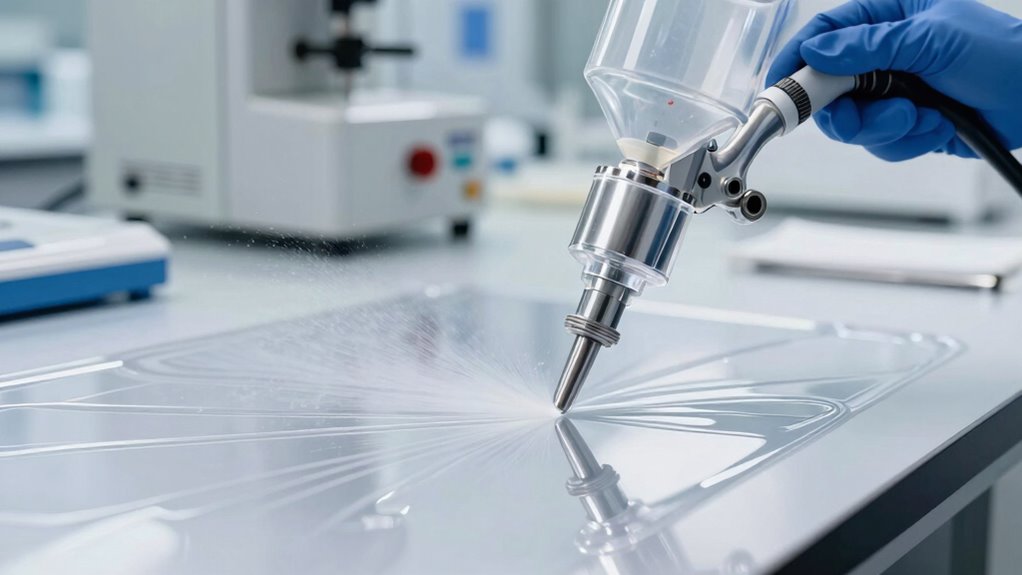
The hidden rule behind better UV performance is thorough surface preparation tailored to your substrate. You need to clean it properly, removing dirt and grease, and use mechanical methods like sanding to improve surface roughness. Additionally, guarantee chemical compatibility by selecting the right primers or surface treatments. When you customize pretreatment based on your material and test compatibility beforehand, you’ll boost adhesion and durability. Keep going to discover more ways to optimize your UV coating results.
Listen free for 30 days with Audible
Thousands of audiobooks and originals — cancel anytime.
As an affiliate, we earn on qualifying purchases.
Key Takeaways
- Proper surface cleaning and mechanical roughening are essential for optimal UV coating adhesion.
- Chemical compatibility between substrate and coating prevents adhesion failures like peeling.
- Customizing pretreatment based on substrate material ensures better long-term performance.
- Small-scale testing verifies surface preparation effectiveness before full-scale application.
- Thorough pretreatment enhances coating durability, resistance, and overall longevity.
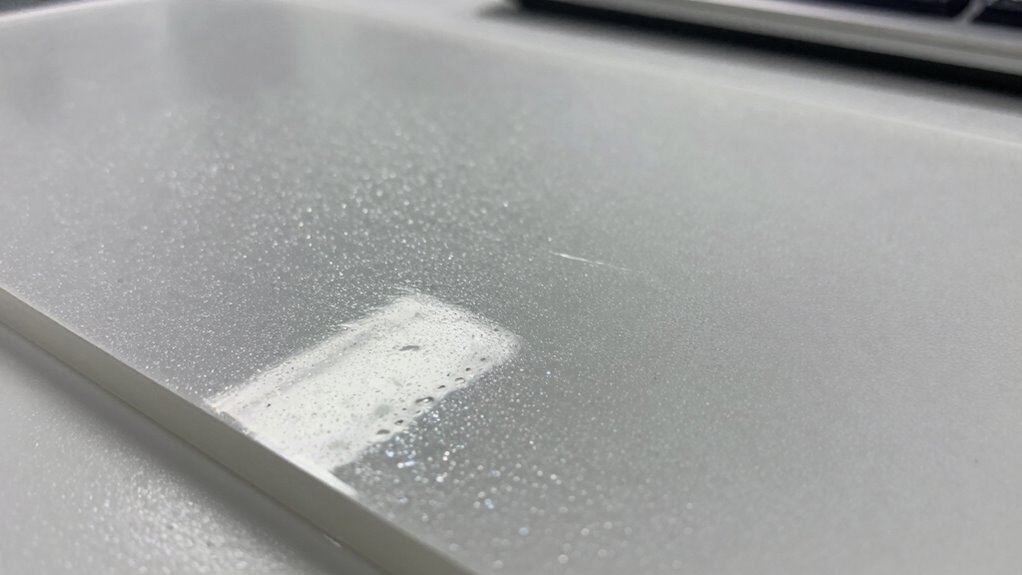
If you want to optimize your UV coating’s performance, understanding a little-known pretreatment rule can make all the difference. The key lies in proper surface preparation combined with ensuring chemical compatibility. When applying UV coatings, the success depends heavily on how well the surface is prepared beforehand. Skipping or skimping on this step can lead to poor adhesion, reduced durability, and even coating failure. The pretreatment process isn’t just about cleaning the surface; it’s about making it receptive to the UV coating by removing contaminants, oils, or residues that could interfere with adhesion.
Surface preparation is the foundation of a successful UV coating application. You need to thoroughly clean the substrate to eliminate any dirt, grease, or previous coatings that might hinder bonding. This often involves using appropriate cleaning agents or solvents that won’t leave behind residues that could compromise the surface. Mechanical cleaning methods, like sanding or abrading, can also improve surface roughness, promoting better mechanical adhesion. But cleaning alone isn’t enough. The surface must be compatible with the UV coating chemically. That’s where chemical compatibility plays a crucial role. If the substrate’s chemical properties clash with those of the UV coating, adhesion issues are guaranteed, regardless of how well you prepare the surface physically.
Understanding the chemistry behind your materials helps you select the right pretreatment method. For example, certain plastics or metals may require specific primers or surface activators to improve chemical bonding. If you ignore this step, the coating might peel or crack prematurely. The hidden rule here is that surface preparation should always be tailored to the type of substrate and the specific UV coating you’re using. A mismatch can negate any benefits gained from meticulous cleaning or mechanical preparation. Additionally, being aware of material properties can guide you in choosing the most effective pretreatment approach. Proper testing of the surface’s chemical reactivity can prevent adhesion failures and ensure long-lasting results. Recognizing the importance of surface chemistry allows for more precise and reliable coating adhesion. Conducting compatibility testing before full application can save time and resources by identifying potential issues early. Furthermore, incorporating environmental conditions into your testing process can help ensure consistent performance across different application scenarios.
Another aspect often overlooked is the importance of testing your pretreatment process before full-scale application. Small-scale tests can reveal whether the surface preparation and chemical compatibility are spot-on. This step helps prevent costly mistakes and ensures that your UV coating adheres properly and performs as intended over time. Remember, the goal isn’t just to apply a coating but to create a lasting bond that withstands environmental stresses.
In short, the hidden pretreatment rule for better UV performance is straightforward: invest time and effort into proper surface preparation and ensure chemical compatibility. When these elements are aligned, your UV coatings will exhibit enhanced adhesion, durability, and overall performance. Skipping or rushing this step might save time initially, but it’ll cost you in the long run through failures and rework. Pay attention to the chemistry, prep your surface thoroughly, and your UV coatings will perform much better, lasting longer, and looking better over time.
As an affiliate, we earn on qualifying purchases.
Frequently Asked Questions
How Does Pretreatment Impact UV Coating Longevity?
Pretreatment enhances UV coating longevity by improving surface preparation, ensuring the coating adheres firmly to the substrate. When you properly prepare the surface, you reduce the chances of peeling or cracking over time. This process removes contaminants and creates a clean, reactive surface that promotes better coating adhesion. As a result, your UV coating lasts longer, maintains its appearance, and provides better protection against environmental factors.
Are Specific Cleaning Agents Recommended for Pretreatment?
You should use cleaning protocols that specify safe, compatible chemical selection for pretreatment. Avoid harsh or incompatible cleaning agents that could leave residues or damage surfaces, which hampers UV coating adhesion. Choose mild, industry-approved cleaning agents designed for your specific material. Proper chemical selection guarantees thorough surface cleaning, promotes better adhesion, and ultimately enhances UV coating longevity. Always verify cleaning protocols align with manufacturer recommendations for maximum results.
Can Pretreatment Be Automated in Large-Scale Production?
Pretreatment can definitely be automated in large-scale production, like a well-oiled machine. Robotic automation streamlines the process, ensuring consistency and efficiency. By integrating these systems, you optimize the entire pretreatment phase, reducing human error and increasing throughput. This approach not only saves time but also guarantees high-quality results, making your operation more reliable and scalable. Embracing automation is a smart move for maximizing performance and productivity.
What Are Common Mistakes During Pretreatment Processes?
You often make mistakes during pretreatment by neglecting to remove surface contamination thoroughly, which can compromise UV performance. Additionally, failing to eliminate chemical residues can cause adhesion issues or surface defects. Make sure to properly clean and rinse surfaces, avoiding shortcuts that leave contaminants or residues behind. Proper inspection and adherence to protocols help prevent these common mistakes, ensuring your pretreatment process enhances UV coating performance effectively.
How to Troubleshoot Poor UV Performance After Pretreatment?
Think of your UV system as a finely tuned instrument; poor performance signals something’s off. To troubleshoot, first check for surface contamination that might block UV light. Make sure your pretreatment chemicals are compatible with your substrates, avoiding any chemical clashes. Clean surfaces thoroughly and verify pretreatment steps are correctly followed. These actions help eliminate surface contamination and guarantee chemical compatibility, restoring peak UV performance and keeping your process running smoothly.
mechanical surface sander for coating prep
As an affiliate, we earn on qualifying purchases.
As an affiliate, we earn on qualifying purchases.
Conclusion
By now, you see that mastering the hidden pretreatment rule is like discovering the secret to a well-tuned musical instrument—without it, your UV performance falters. Don’t forget, even in this fast-paced age of tech, some secrets are worth unearthing like a buried treasure. Embrace this knowledge, stay vigilant, and your UV system will shine brighter than a medieval lantern at midnight. Remember, the key to success is often hidden just beneath the surface.
chemical compatibility primer for plastics
As an affiliate, we earn on qualifying purchases.
As an affiliate, we earn on qualifying purchases.
As an affiliate, we earn on qualifying purchases.
NFL season / tailgating Picks
team gear
As an affiliate, we earn on qualifying purchases.