Your water use habits greatly affect treatment system performance and water quality. When you conserve water and avoid wasteful practices, you lessen the load on treatment facilities, helping filters and components last longer and work more efficiently. Using fewer household chemicals and fixing leaks also reduces impurities and sediment buildup. These habits decrease energy consumption and prevent system overloads. Keep exploring to discover more ways you can support a healthy, sustainable water system.
Key Takeaways
- Reduced water use decreases load on treatment systems, enhancing filtration efficiency and system longevity.
- Wasteful habits increase pollutant levels, overloading filters and diminishing water quality.
- Proper water conservation minimizes household pollutant introduction, supporting cleaner treatment processes.
- Efficient water use prevents system overloads, reducing malfunctions and maintaining treatment performance.
- Lower water consumption decreases energy use, contributing to overall system sustainability and resilience.

Have you ever wondered how your daily water use habits impact the effectiveness of water treatment systems? Your habits directly influence not only the amount of water you consume but also how well the treatment process works. When you practice water conservation, you’re helping improve the filtration efficiency of the systems responsible for making water safe to drink. Using less water means less strain on the entire treatment infrastructure, reducing the likelihood of overloads or malfunctions. It also means that filters and other treatment components don’t have to work as hard to process large volumes, helping them last longer and operate more effectively.
Practicing water conservation helps improve filtration, extends equipment life, and ensures cleaner water for all.
If you’re wasteful with water—like taking long showers, leaving the tap running, or using excessive amounts for laundry—you’re increasing the volume that treatment facilities need to handle. This can dilute the effectiveness of the filtration process, especially if the system’s capacity is stretched thin. Overburdened systems may not be able to remove contaminants as efficiently, leading to poorer water quality downstream. On the other hand, by consciously reducing your water use, you make it easier for treatment plants to perform their job thoroughly, ensuring cleaner water reaches your tap.
Furthermore, your habits influence the build-up of impurities and sediments in the water. Excessive use of certain household products, like soaps, detergents, or chemicals, can increase the load of pollutants entering treatment systems. When you prioritize water conservation, you often become more mindful of what you flush or pour down the drain, minimizing the introduction of unnecessary contaminants. This, in turn, enhances the filtration efficiency because the system doesn’t have to work as hard to remove pollutants. Less contamination means fewer blockages and less wear on filtration components, which keeps the system running smoothly and effectively. Additionally, reducing water use can help prevent system overloads that compromise water quality and treatment effectiveness. Recognizing the importance of water conservation can further motivate you to adopt sustainable routines that benefit both your household and the environment. Properly managing household water discharge can also prevent the buildup of pollutants that strain treatment infrastructure, making the entire process more resilient and sustainable.
Adopting water-efficient practices can also reduce energy consumption, contributing to a more sustainable water supply. Your daily routines also affect the lifespan of water treatment equipment. Using water efficiently reduces the accumulation of debris and sediments that can clog filters or damage other parts of the system. When you adopt practices like fixing leaks, installing low-flow fixtures, or using water-efficient appliances, you’re not just conserving water—you’re actively supporting the longevity and performance of the entire treatment process. This helps maintain high water quality and reduces maintenance costs for treatment facilities. Additionally, understanding how water use habits impact the overall system performance can motivate more sustainable choices in daily routines.

iSpring RCC7AK-BN NSF Certified, 75 GPD, Alkaline 6-Stage Reverse Osmosis System, pH+ Remineralization RO Water Filter System Under Sink Patented Top-Mounted Faucet Design for Easy Installation
- Patented Top-Mounted Faucet Design: Easy above-sink installation
- Mineral Boost Stage: Adds essential minerals and balanced pH
- Transparent Filter Housing: Monitor contaminant buildup easily
As an affiliate, we earn on qualifying purchases.
As an affiliate, we earn on qualifying purchases.
Frequently Asked Questions
How Do Seasonal Water Use Variations Impact Treatment Efficiency?
Seasonal water use variations can impact treatment efficiency because fluctuating demand affects flow rates and system performance. When you practice water conservation during peak seasons, you help maintain usage consistency, preventing overloads or underutilization of treatment facilities. This stability ensures ideal operation, reduces wear on equipment, and maintains water quality. Adapting your habits seasonally supports consistent treatment performance and helps sustain efficient water management throughout the year.
What Role Does Water Temperature Play in Treatment Processes?
Water temperature directly influences treatment effectiveness. When water is warmer, microbial activity speeds up, enhancing processes like biological filtration and disinfection. Conversely, colder water slows down these reactions, reducing efficiency. You should monitor temperature changes carefully because they can impact chemical reactions and biological processes within your treatment system. Maintaining ideal water temperature helps guarantee consistent and effective treatment performance, ultimately improving water quality and system reliability.
Can Water Use Habits Influence Chemical Dosing Accuracy?
Your water use habits, especially during water conservation efforts, can ensure chemical dosing accuracy. If usage patterns fluctuate unexpectedly, it becomes challenging to maintain precise chemical levels. Sudden increases or decreases in water flow can cause under- or overdosing, affecting treatment efficacy. Monitoring and adjusting for these usage patterns ensures proper chemical dosing, ultimately supporting effective treatment performance and resource efficiency.
How Do Household Appliances Affect Water Treatment System Performance?
Appliance efficiency and usage frequency directly impact your water treatment system’s performance. When you use appliances more often or opt for less efficient ones, they put extra strain on your system, like trying to squeeze blood from a stone. This can cause increased chemical demand or reduced effectiveness. To keep things running smoothly, choose energy-efficient appliances and use them wisely, reducing unnecessary loads and ensuring your treatment system operates at its best.
Are There Specific Water Use Patterns Linked to Microbial Growth?
Yes, certain water use patterns can promote microbial proliferation, increasing the risk of water contamination. For instance, frequent, high-volume usage or delays in system flushing create conditions for microbes to grow. When you neglect regular maintenance or leave water stagnant, you encourage microbial growth, which can compromise water quality. Understanding these patterns helps you prevent contamination, ensuring your water remains safe and clean.

5 Micron 10" x 4.5" Whole House Water Filter Compatible with GE FXHSC
- Replacement Model Compatibility: Compatible with various filter housings
- Universal Housing Compatibility: Fits most standard 10×4.5 inch housings
- High Efficiency Filtration: Filters out 99% of sediments and odors
As an affiliate, we earn on qualifying purchases.
As an affiliate, we earn on qualifying purchases.
Conclusion
Your water use habits are the compass guiding treatment performance. Just like a river shapes the land, your daily choices carve the effectiveness of water treatment. By being mindful—reducing waste, avoiding contaminants—you help keep the system flowing smoothly. Small changes ripple outward, transforming the quality of water you receive. Remember, you hold the paddle; steer wisely to guarantee clean, safe water flows effortlessly into your life. Your habits truly make waves.
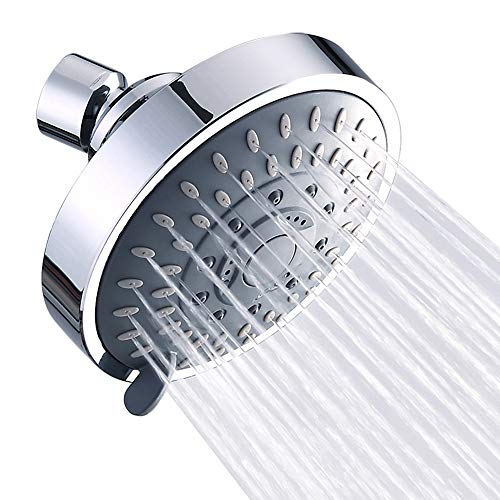
AISOSO High Pressure Rain Shower Head 5 Modes Showerhead 4.1 Inch Chrome
- Powerful Water Pulse: Relieves stress with high pressure spray
- Premium Material: Durable ABS plastic with polished chrome finish
- Self-Cleaning Nozzles: Enhance water impact and maintain cleanliness
As an affiliate, we earn on qualifying purchases.
As an affiliate, we earn on qualifying purchases.
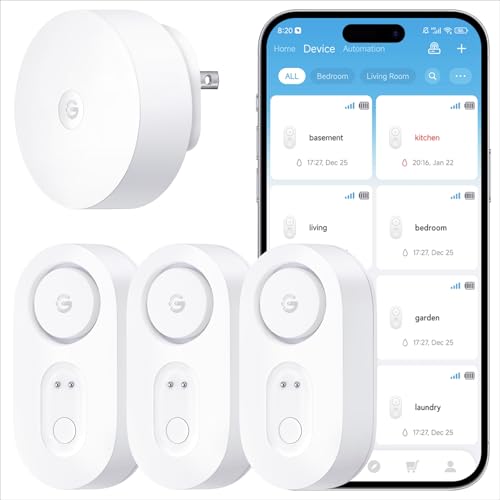
GoveeLife Upgraded Smart Water Leak Detector 1s with High Alarm, 3 Pack
- Long-Range Connectivity: Up to 1804 feet through walls
- Multiple Alert Methods: SMS, app, email notifications
- Loud Alarm: 105 dB sound and flashing light
As an affiliate, we earn on qualifying purchases.
As an affiliate, we earn on qualifying purchases.