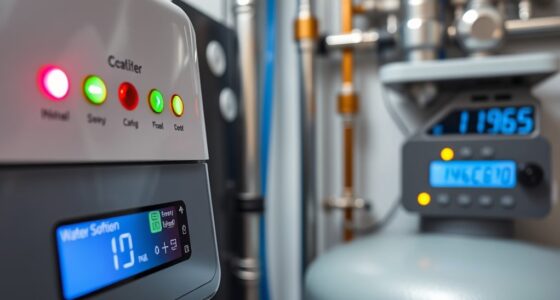
An anti-scale media calculator helps you choose the right treatment media by analyzing your water’s chemistry, flow, and mineral levels. It considers factors like pH, calcium, and magnesium to recommend media resistant to corrosion and effective in reducing scale buildup. Accurate data guarantees reliable results, guiding maintenance and media lifespan. Keep in mind, it’s a helpful tool but has limits; if you want deeper insights, you’ll discover more when you explore further.
Open a free Amazon Business account
Business pricing, bulk buying and tax-exempt orders.
As an affiliate, we earn on qualifying purchases.
Key Takeaways
- The calculator assesses water chemistry to recommend media that reduces scale buildup effectively and has optimal lifespan.
- Accurate data input on flow, pH, and mineral levels is crucial for reliable media selection and system performance predictions.
- It helps predict media longevity, chemical compatibility, and overall system efficiency, guiding maintenance and replacement planning.
- Pros wish users understood the calculator’s limitations and consult experts for complex or persistent scaling issues.
- Proper media placement and regular water testing maximize treatment effectiveness and extend media lifespan.
Understanding the Purpose of the Calculator

Understanding the purpose of the calculator is essential for using it effectively. This tool helps you determine the right anti-scale media for your system, focusing on media longevity and chemical compatibility. By inputting specific water conditions, you can evaluate how different media types will perform over time. It guarantees you select media that not only resists corrosion and chemical reactions but also lasts longer, reducing replacement costs. Knowing the calculator’s purpose helps prevent choosing incompatible media that could damage your system or diminish efficiency. It’s designed to streamline decision-making, saving you time and money. Additionally, understanding media longevity can help you plan maintenance and replacements more effectively, ensuring optimal system performance. With a clear understanding, you can optimize your water treatment setup, ensuring your media functions effectively while maintaining system integrity.
Key Factors It Considers in Water Treatment
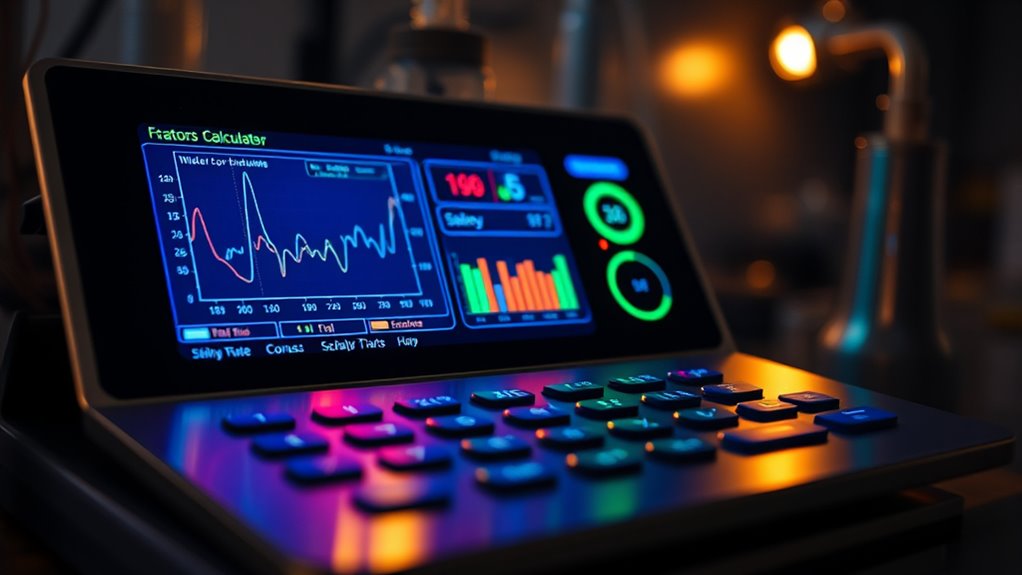
To select the right anti-scale media, the calculator examines several key factors in your water supply. It considers the chemical composition, which influences how minerals like calcium and magnesium will react during treatment. Understanding mineral concentrations helps determine the most effective media. It also evaluates media longevity, so you know how long the media will last before needing replacement. Additionally, the calculator looks at water pH levels, which affect mineral behavior and media performance. Finally, it considers flow rate and pressure, ensuring the media can handle your system’s demands efficiently. By analyzing these factors, the calculator helps you choose the ideal media that balances effectiveness, durability, and cost, giving you peace of mind that your water treatment is tailored precisely to your water’s unique characteristics. Preppy Dog Names can also provide inspiration for naming your water treatment system, adding a touch of personality.
How to Input Accurate Data for Reliable Results

Accurate data input is the foundation for reliable results when using the anti-scale media calculator. To guarantee ideal media longevity, provide precise measurements of your water’s flow rate and temperature. Double-check that the data aligns with your actual system conditions, as inaccuracies can skew the results. Also, consider the chemical compatibility of your water with the media; inputting correct chemical concentrations helps predict how long the media will last and how effective it will be. Avoid guesswork—use recent lab tests or reliable on-site measurements. Consistent, accurate data helps you select the right media type and dosage, maximizing longevity and efficiency. Remember, the quality of your inputs directly impacts the calculator’s recommendations, so take your time to gather precise information. Understanding the relationship between trust and emotional bonds can also influence how you interpret operational data and maintain system integrity over time.
Interpreting the Results: What the Numbers Mean

Now that you have your results, it’s important to understand what the numbers indicate about your system. You’ll want to look at the scale reduction numbers to see how effectively the media is working, identify if performance falls within the ideal zone, and interpret the scale prevention score to gauge overall effectiveness. These insights help you make informed decisions about maintaining or adjusting your anti-scale setup. For example, understanding the types of media and their specific roles can help optimize your system’s performance for long-term durability.
Understanding Scale Reduction Numbers
Have you ever wondered what scale reduction numbers really tell you about your water treatment results? These numbers indicate how effectively your media is reducing scale buildup. A higher number usually means better performance, but it also impacts media lifespan and chemical compatibility. Understanding UST projectors can help you choose the right media for your system’s needs. To interpret these results:
- A high reduction number suggests the media is more efficient but may require more frequent replacement.
- A low number indicates less effective scaling control, potentially risking equipment damage.
- Consider compatibility with your existing chemicals to avoid media degradation.
- Balance performance with media longevity to optimize your treatment system.
Understanding these numbers helps you decide when to replace media and ensure your system maintains ideal performance without unnecessary costs.
Recognizing Optimal Performance Zones
Recognizing the ideal performance zone for your scale reduction media involves understanding the range where the numbers indicate effective yet sustainable operation. When readings fall within this zone, your media maintains peak media longevity and chemical compatibility, preventing premature wear or damage. Proper interpretation of these numbers helps you avoid over- or under-maintenance, ensuring your system’s efficiency and durability. Maintaining the correct balance can also help prevent side effects of juice detox, which can result from improper system management.
Interpreting the Scale Prevention Score
Interpreting the Scale Prevention Score involves understanding what the numerical results reveal about your system’s performance. A high score indicates effective scale prevention, extending media lifespan and maintaining ideal operation. Conversely, a low score suggests the media may be nearing the end of its chemical compatibility, risking mineral buildup. Keep in mind:
- A rising score shows improved scale resistance, potentially reducing maintenance costs
- A declining score signals media replacement or reconditioning may be necessary
- Consistent scores reflect stable system performance and media health
- Understanding your media’s lifespan helps plan timely replacements, avoiding costly damage
- Monitoring contrast ratio and other image quality factors can also help in assessing overall system integrity and performance.
Common Mistakes to Avoid When Using the Tool

To get accurate results with the Anti Scale Media Basics Calculator, you need to be careful to avoid common mistakes. One key error is neglecting proper media calibration, which impacts data accuracy. Without calibrated media, your results may be misleading, leading to ineffective water treatment decisions. Additionally, inputting incorrect water parameters skews the scale prevention score. Be precise with your data and double-check entries. Here’s a quick overview:
| Mistake to Avoid | Impact |
|---|---|
| Skipping media calibration | Reduces data accuracy, causes errors |
| Using outdated water data | Leads to inaccurate results |
| Ignoring system specifics | Affects calculation precision |
| Not verifying inputs | Risks misjudging media effectiveness |
Avoid these pitfalls to ensure reliable, actionable insights from the calculator.
Tips for Optimizing Your Water Treatment System
To get the best results from your water treatment system, you need to focus on a few key areas. Regular maintenance guarantees everything runs smoothly, while proper media placement maximizes efficiency. Keep a close eye on your water chemistry to prevent scale buildup and maintain ideal performance. Utilizing appropriate paint sprayer tips can also improve application quality and reduce waste.
Regular System Maintenance
Regular system maintenance is essential for keeping your water treatment system running efficiently and preventing costly issues. Regular checks help extend the media lifespan and guarantee the chemical dosage remains effective. To optimize performance, consider these tips:
- Monitor media condition regularly to catch wear early
- Adjust chemical dosage based on water quality changes
- Clean or backwash media as recommended by the manufacturer
- Schedule professional inspections periodically
- Stay informed about building codes and zoning regulations to ensure your system complies with local requirements
Proper Media Placement
Proper media placement is crucial for maximizing your water treatment system’s efficiency. Correct positioning ensures ideal flow dynamics, preventing channeling and dead zones that reduce media contact with water. To achieve this, place media where flow velocity is suitable, typically avoiding areas of turbulence or low flow. Use the following table for guidance:
| Location | Effect on Flow | Best Practice |
|---|---|---|
| Upstream of media | Distributes flow evenly | Place media after pre-filtration |
| Center of tank | Maintains flow balance | Ensure media covers critical zones |
| Near outlet | Prevents bypass | Position media to maximize contact |
This strategic placement improves contact time and enhances treatment efficiency, helping you get the most out of your media investment.
Monitor Water Chemistry
Monitoring your water chemistry is essential for maintaining ideal system performance. Regular checks help you keep water pH levels balanced and mineral content in check, preventing scale buildup and system damage. To optimize your water treatment system, consider these tips:
- Test water pH frequently to ensure it stays within the recommended range.
- Measure mineral content, especially calcium and magnesium, to prevent excessive hardness.
- Adjust treatment settings based on test results to maintain consistent water quality.
- Keep detailed records to track changes and identify trends over time.
- Creating a comfortable and organized home workspace can help reduce stress and improve focus during water treatment tasks.
Limitations of the Calculator and When to Seek Expert Advice

While the calculator offers a helpful starting point for understanding scaling issues, it has certain limitations that you should be aware of. It doesn’t account for all variables, such as specific water chemistry variations or unique system conditions, which can impact accuracy. Relying solely on it might lead to underestimated costs or overlooked environmental impacts, especially if you’re considering different media options. Cost considerations are essential, as some solutions may seem affordable initially but could incur higher maintenance or replacement costs over time. When your system involves complex factors or persistent scaling problems, it’s best to seek expert advice. Professionals can provide tailored assessments, ensuring your approach is both environmentally responsible and cost-effective, avoiding potential pitfalls that a calculator alone might miss.
Practical Examples of Using the Calculator Effectively

Using the calculator effectively involves inputting accurate system data to obtain meaningful results. For example, when determining scale formation risk, input your water hardness levels and flow rates precisely. This helps determine the right media type and dosage to prevent scale buildup, extending media longevity. You can also evaluate different scenarios, such as adjusting flow rates or water quality, to optimize media life and reduce maintenance costs. Additionally, the calculator guides you in selecting media that best suits your system’s specific conditions, ensuring efficient scale control. By regularly updating your data, you make smarter choices that minimize scale formation and maximize media longevity. Remember, accurate inputs lead to reliable results, helping you maintain system efficiency and prevent costly repairs.
Frequently Asked Questions
Can This Calculator Predict Future Scale Buildup Accurately?
This calculator can give you a good estimate of future scale formation, but its predictive accuracy depends on the data you input. If your water conditions stay consistent, it helps forecast buildup trends effectively. However, sudden changes in mineral levels or temperature can affect accuracy. Use it as a helpful guide, but remember, real-world factors might cause deviations, so stay vigilant and regularly monitor your system for ideal results.
Is the Calculator Suitable for Industrial Water Treatment Systems?
Yes, the calculator is suitable for industrial water treatment systems. It helps you optimize scaling prevention by accurately estimating necessary chemical dosages, reducing excess use and costs. By inputting specific water parameters, you can better predict potential scale buildup and adjust your treatment plan accordingly. This guarantees your system operates efficiently, minimizes downtime, and extends equipment lifespan through precise chemical dosing strategies.
How Often Should I Recalculate Based on Changing Water Conditions?
You should recalculate based on changing water conditions whenever you notice shifts in water quality, such as increased mineral levels or temperature changes. Regularly reassess your water data, especially if your system experiences seasonal variations or uses source water from different locations. Typically, recalculating every three to six months guarantees ideal anti-scale media performance, but more frequent updates may be necessary if water quality fluctuates unexpectedly.
Does It Account for All Types of Water Contaminants?
No, the calculator doesn’t account for all water contaminants. It mainly considers water composition related to scaling, but contaminant diversity varies widely. You might have minerals, organic compounds, or other impurities that aren’t fully reflected in the tool. To guarantee ideal treatment, you should also conduct thorough water testing, especially if you suspect diverse contaminants. Regular recalculations help adapt to changing water conditions and maintain effective anti-scale performance.
Can the Calculator Suggest Specific Treatment Chemicals?
Yes, the calculator can suggest specific treatment chemicals based on your input, but it emphasizes chemical compatibility and user customization. You can tailor recommendations to match your water conditions and equipment needs, ensuring the chemicals work effectively without damage. By adjusting parameters, you get more precise suggestions, helping you choose the right treatment chemicals confidently and optimize your anti-scale process for your unique water system.
Conclusion
Now that you’ve revealed the secrets of the anti-scale media calculator, you’re basically a water treatment wizard. With this tool, you can dodge scale buildup like a superhero dodging lasers, optimize your system effortlessly, and save yourself from costly repairs. Just remember, even heroes need backup—so when in doubt, call in the pros. Master this calculator, and you’ll turn water trouble into a thing of the past—faster than you can say “scale-free miracle”!
NFL season / tailgating Picks
team gear
As an affiliate, we earn on qualifying purchases.