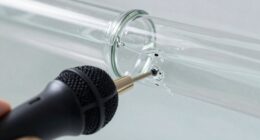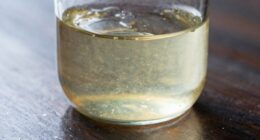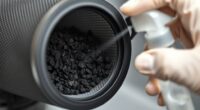
To avoid contamination during collection, always use sterilized tools and wear gloves to prevent transferring microbes. Handle samples carefully in clean environments and seal containers tightly to protect against environmental pollutants. Store and transport samples under appropriate conditions, like cooling or freezing, to maintain integrity. Disinfect surfaces regularly and follow strict protocols for preservation and handling. If you keep these practices in mind, you’ll guarantee samples stay uncontaminated and reliable for analysis. There’s more to learn to perfect your technique.
Key Takeaways
- Use sterilized tools and equipment to prevent microbial contamination during sample collection.
- Wear gloves and work in clean environments to avoid transferring oils, dirt, or microbes to samples.
- Seal containers tightly and label properly to prevent environmental exposure and sample mix-ups.
- Store and transport samples under appropriate conditions (cool, dark, frozen) to maintain integrity.
- Regularly disinfect surfaces and follow strict protocols to reduce contamination risks throughout the process.

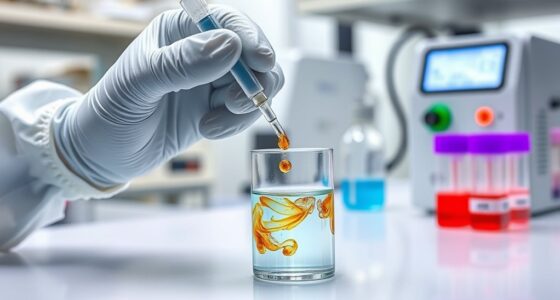
Have you ever wondered how researchers select participants or data points to represent a larger population? The process isn’t just about randomness; it involves careful strategies to ensure that the samples accurately reflect the whole. One critical aspect of sampling is sample preservation, which involves maintaining the integrity of collected samples from the moment of collection until analysis. Proper preservation techniques prevent degradation, chemical changes, or microbial growth that could distort your data. If samples aren’t preserved correctly, you risk introducing contamination sources, which can lead to inaccurate results. For example, if biological samples aren’t kept at the right temperature, bacteria may multiply, or enzymes may break down essential molecules, skewing your findings. This highlights the importance of using appropriate preservatives, such as coolers, chemical agents, or freezing, depending on the sample type.
Contamination sources can occur at multiple stages of collection, from the initial gathering to storage and transport. You must be vigilant about potential contamination sources like unsterilized equipment, environmental pollutants, or cross-contamination between samples. For instance, using non-sterile tools can introduce bacteria or other microorganisms into your samples, compromising their integrity. Handling samples with bare hands, especially when dealing with sensitive biological material, can also introduce oils, dirt, or microbes. Airborne contaminants or dust can settle on open containers if you’re not careful during collection. To mitigate these risks, always use sterilized tools, wear gloves, and work in clean environments when collecting samples.
Another key to avoiding contamination sources is implementing strict protocols for sample preservation. This includes labeling samples correctly to prevent mix-ups, sealing containers tightly to prevent exposure to environmental contaminants, and storing samples in conditions suited to their stability. For chemical samples, this might mean keeping them in dark, cool environments; for biological specimens, freezing might be necessary. Transport logistics are equally important—samples should be kept at consistent, appropriate temperatures to prevent changes that could lead to contamination or degradation. Additionally, maintaining a clean workspace, disinfecting surfaces regularly, and avoiding unnecessary handling can markedly reduce the risk of introducing contamination sources.

22 Pcs Stainless Steel Lab Spatula Micro Scoop Set for Gel Cap Filler
- Complete Set of 22 Tools: Includes various sizes and shapes
- Double-Sided Design: Flat and pointed ends for versatility
- Long Handles for Deep Containers: Easy access to materials in deep bottles
As an affiliate, we earn on qualifying purchases.
As an affiliate, we earn on qualifying purchases.
Frequently Asked Questions
How Can Contamination Be Identified During Sampling?
You can identify contamination during sampling through contamination detection methods, such as visual inspection for foreign particles or color changes. Look for contamination indicators like unexpected colors, odors, or cloudiness in samples. Using control samples also helps track potential contamination. Regularly monitor and document any anomalies. If contamination is suspected, re-sampling and testing can confirm the presence of contaminants, ensuring sample integrity and accurate analysis.
Are There Specific Tools Recommended for Sterile Sampling?
Yes, there are specific tools recommended for sterile sampling. You should use sterile tools and sampling devices, such as pre-sterilized swabs, pipettes, and containers, to prevent contamination. Always guarantee these tools are individually packaged and unopened before use. Wearing gloves and working in a clean environment further helps maintain sterility. Proper handling and disposal of these tools are essential to avoid introducing contaminants during the sampling process.
What Training Is Necessary to Prevent Contamination?
You need proper training in aseptic techniques and the correct use of personal protective equipment (PPE). This includes understanding how to don gloves, masks, and gowns correctly, as well as practicing sterile sampling procedures. By consistently following protocols, you reduce contamination risks. Regular hands-on training and refresher courses are essential to stay updated on best practices and guarantee you handle samples safely and hygienically.
How Often Should Sampling Equipment Be Sterilized?
Think of sterilization as your first line of defense—how often you decontaminate equipment depends on your sample type and lab standards. Generally, you should sterilize sampling equipment after each use, following strict decontamination protocols. Regular equipment maintenance, such as weekly checks and cleaning, ensures consistency. Keep in mind, consistent sterilization prevents contamination, safeguarding your results and maintaining the integrity of your sampling process.
Can Contamination Occur During Sample Transport?
Yes, contamination can occur during sample transport if you neglect sample container integrity and transport temperature control. If containers aren’t sealed properly or if temperature isn’t maintained, contaminants can enter or grow, compromising sample quality. Always guarantee containers are secure and use appropriate temperature controls, like coolers or incubators, to prevent microbial growth. Proper handling throughout transport minimizes contamination risks and preserves sample accuracy for testing.
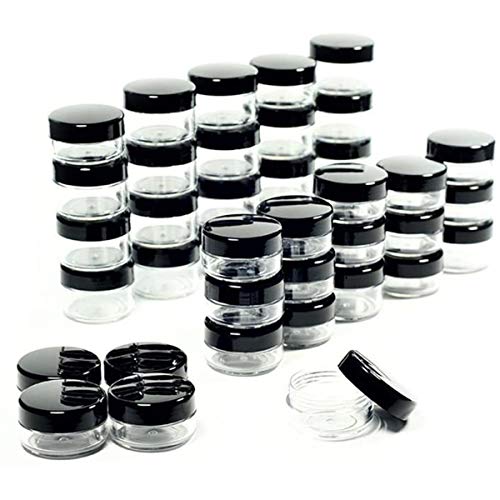
ZEJIA 5 Gram Sample Containers with Lids, Small Travel Size Containers
- Premium Material: High-grade polypropylene, leak-proof, durable
- Safe Storage: BPA-free, suitable for various cosmetics
- Compact Size: Mini containers fit in pockets and bags
As an affiliate, we earn on qualifying purchases.
As an affiliate, we earn on qualifying purchases.
Conclusion
Think of sampling as tending a delicate garden; each step you take must be careful and precise to avoid cross-contamination. Like a gardener choosing only the finest, uncontaminated seeds, you must select your samples with care, ensuring purity and integrity. By mastering proper techniques, you become the vigilant gardener, preserving the true essence of your sample’s story. With diligence, your collection will flourish, untainted and reliable, revealing the genuine insights you seek.

HNZXIB -86°C Ultra-Low Temp Freezer, 20L -123°F Lab Fridge, Portable & Compact Size, Fast Cooling & Precision Control for Scientific Research, Sample Storage, Vaccines, Biological Specimens
- Ultra-Low Temperature Storage: -86°C (–123°F) precise control
- Smart Alarm System: Visual and audible alerts for safety
- Energy-Efficient & Lightweight: High insulation, easy to transport
As an affiliate, we earn on qualifying purchases.
As an affiliate, we earn on qualifying purchases.

Lysol All Purpose Cleaner Spray, Multi-Purpose Disinfecting Spray, Kitchen & Bathroom Cleaner, Lemon Breeze Scent, 32 Fl Oz
- Kills 99.9% of Viruses and Bacteria: Includes COVID-19 virus protection
- Deep Cleans and Removes Germs: Eliminates 99.9% of germs and cuts grime
- Multi-Surface and Degreaser: Suitable for counters, sinks, stoves, and more
As an affiliate, we earn on qualifying purchases.
As an affiliate, we earn on qualifying purchases.