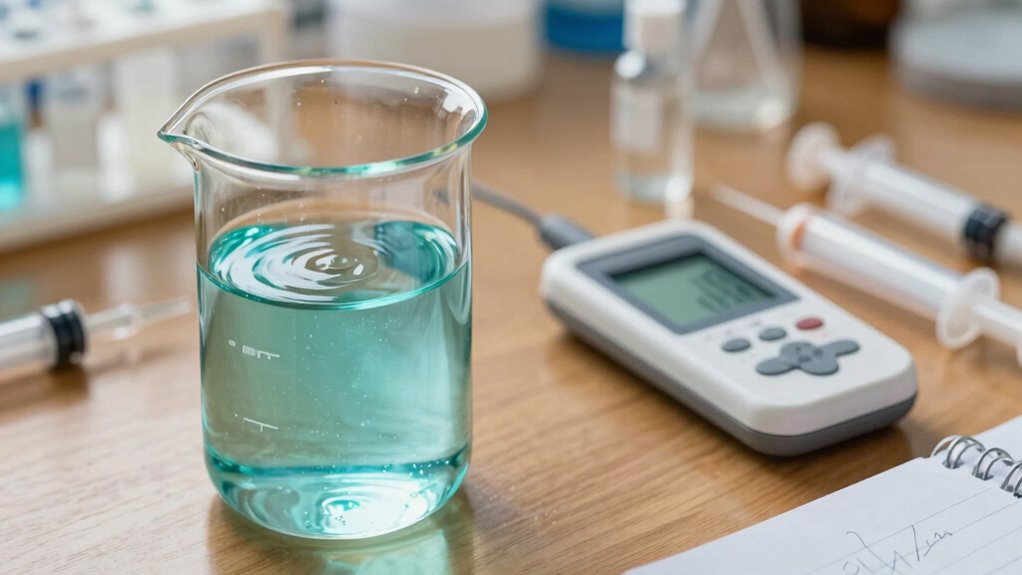
To build a water quality baseline that helps you spot changes fast, start by collecting consistent, accurate data over time using properly calibrated sensors. Focus on key parameters like pH, dissolved oxygen, and temperature, and visualize the results with clear charts or dashboards. Regularly update your baseline to account for natural fluctuations and guarantee data remains trustworthy. Keep refining your approach, and you’ll be better equipped to detect issues early—continue to explore how to optimize this process.
Key Takeaways
- Use reliable sensors and calibrate them regularly with known reference standards for accurate measurements.
- Collect consistent water quality data over time, focusing on key parameters like pH, oxygen, and pollutants.
- Visualize data through graphs and dashboards to easily identify trends, anomalies, and changes.
- Continuously update the baseline with new data to distinguish natural fluctuations from significant shifts.
- Maintain systematic records and calibration logs to ensure data trustworthiness and facilitate rapid detection of issues.
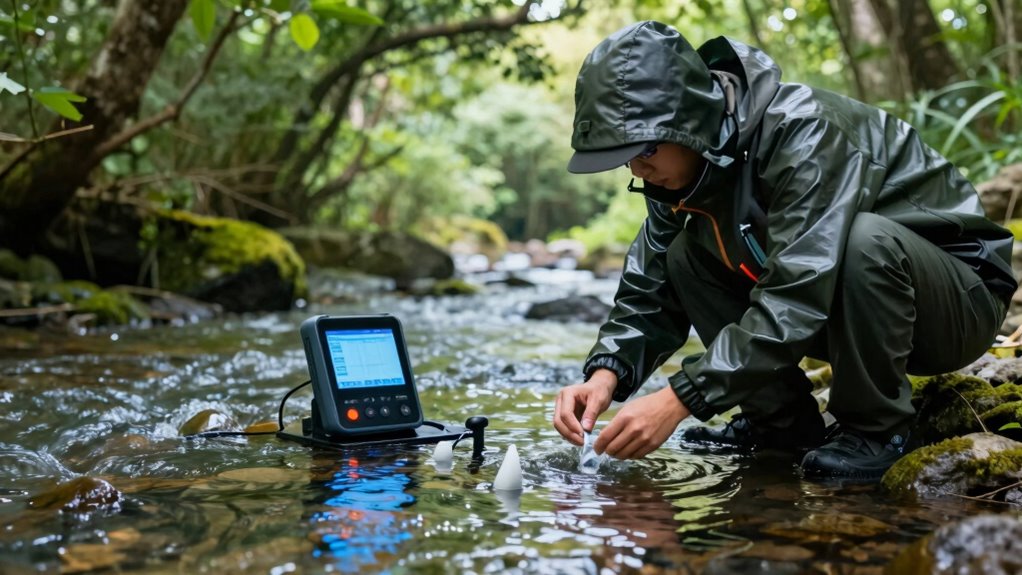
Have you ever wondered how experts determine the health of a water body? It all starts with establishing a solid baseline. Building this baseline involves collecting consistent, accurate data over time, which lets you spot changes early. To do this effectively, you need reliable sensors and a good understanding of how to calibrate them. Sensor calibration is critical because it ensures your measurements are precise and trustworthy. When sensors aren’t properly calibrated, your data can be skewed, leading to false alarms or missed signals. Regular calibration checks, using known reference values, keep your sensors aligned with actual water conditions. This way, you get dependable data that truly reflects the water’s health.
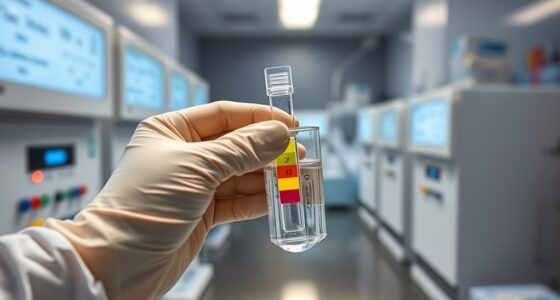
Establishing a water health baseline requires accurate, calibrated sensors and consistent data collection.
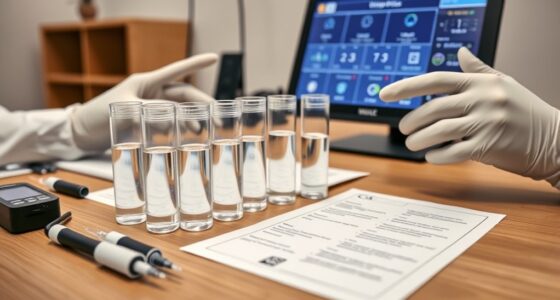
Once you have calibrated sensors, the next step is to gather data systematically. The goal is to develop a thorough picture of water quality over time, capturing key parameters like pH, dissolved oxygen, temperature, and pollutant levels. But raw data alone isn’t enough; it can be overwhelming and hard to interpret. That’s where data visualization comes into play. By transforming your data into clear, visual formats—like graphs, heatmaps, or dashboards—you make it easier to spot trends and anomalies. With good visualization, you can quickly see if levels are shifting outside normal ranges, allowing you to react faster to potential problems. Data visualization turns complex datasets into intuitive insights, which is essential for building a reliable baseline.
Creating this baseline isn’t a one-time effort. It requires ongoing data collection, consistent calibration, and regular updates to your visualizations. As you accumulate more data, you start to understand the natural fluctuations in water quality, distinguishing between normal variation and real issues. This process helps you define what “normal” looks like for your water body, making it easier to detect deviations. Over time, your visual representations become more refined, giving you a powerful tool to notice changes quickly. When you have a well-established baseline, you’ll be better equipped to identify pollution events, equipment failures, or shifts caused by seasonal changes.
In essence, building a water quality baseline is about establishing trust in your data through sensor calibration and making that data accessible via effective visualization. It’s a proactive approach that enables you to respond swiftly to emerging problems and protect water resources more effectively. The combination of accurate measurements and clear visual insights empowers you to maintain the health of your water body and take timely action before minor issues escalate into major concerns. Developing a comprehensive understanding of water quality is fundamental to effective monitoring and management.
Frequently Asked Questions
How Often Should I Update My Water Quality Baseline?
You should update your water quality baseline regularly, ideally every few months, to guarantee accurate detection of changes. Adjust your sampling frequency based on seasonal variations and potential pollution sources. Consistent updates improve data accuracy, helping you spot deviations early. Regularly reviewing your baseline ensures you’re prepared for shifts in water quality, making your monitoring more reliable and effective in protecting your water resources.
What Tools Are Best for Monitoring Water Quality?
You should use reliable water quality sensors for monitoring, ensuring they are regularly calibrated for accuracy. Data logging tools are essential to track changes over time, so you can easily identify trends. Look for sensors with user-friendly calibration procedures and robust data logging capabilities, like multi-parameter probes or portable devices. Combining these tools helps you maintain precise, real-time data, making it easier to spot any water quality issues quickly.
Can Natural Events Affect Baseline Measurements?
Natural events can substantially affect baseline measurements, with studies showing that heavy rains or droughts can cause up to a 30% variation in water quality data. These natural event impacts introduce baseline variability, making it essential to account for seasonal and weather patterns when establishing your baseline. By understanding these influences, you can better distinguish true water quality changes from natural fluctuations, ensuring more accurate monitoring and timely responses.
How Do Seasonal Changes Impact Water Quality Data?
Seasonal variability and climate influence markedly impact your water quality data. As seasons change, temperature, rainfall, and runoff patterns shift, causing fluctuations in parameters like nutrient levels and turbidity. These natural variations can mask or mimic pollution signals, so you need to account for them when establishing your baseline. By monitoring over multiple seasons, you can distinguish true changes from normal climate-driven fluctuations, ensuring your baseline accurately reflects typical water conditions.
What Are Common Mistakes in Establishing a Baseline?
Ever wonder if you’re missing vital details? Common mistakes in establishing a water quality baseline include neglecting to account for sampling errors and rushing data collection, which can lead to data misinterpretation. You might also overlook seasonal variations or inconsistency in sampling times. These errors skew your baseline, making it harder to detect true changes. Double-check your methodology and guarantee consistent, thorough sampling to build an accurate and reliable baseline.
Conclusion
By establishing a water quality baseline, you can quickly spot changes and respond promptly. For example, imagine noticing a sudden spike in nitrate levels near a farm—your baseline helped you identify the issue early, preventing potential environmental harm. Keep monitoring consistently, update your data regularly, and stay vigilant. With a solid baseline, you’ll protect water resources effectively, ensuring safe, clean water for all. Just like that, your proactive approach makes a real difference.