When testing chlorine residuals, it’s crucial to follow safety steps to protect yourself and ensure accurate results. Wear protective gear like gloves and goggles, handle chemicals carefully, and keep equipment calibrated. Using simple test kits or digital meters, you can check chlorine levels safely, but always follow proper procedures. Proper testing helps prevent health risks and keeps water safe to drink. Keep going to learn more about how to do this safely and effectively.

Get home appliances delivered free — and shop member deals
- Fast, free delivery on millions of items
- Access to Prime Big Deal Days deals on October 6–7
- Prime Video, Amazon Music and more included
Key Takeaways
- Always wear proper PPE like gloves, goggles, and masks when handling chlorine samples to prevent skin and eye exposure.
- Follow established procedures carefully and handle samples gently to maintain safety and test accuracy.
- Store chlorine chemicals securely in well-ventilated areas away from incompatible substances to avoid accidents.
- Regularly calibrate testing equipment and use fresh reagents to ensure reliable and safe chlorine measurement results.
- Be prepared with emergency response plans, including spill containment and neutralization, and conduct safety training regularly.
As an affiliate, we earn on qualifying purchases.
Why Monitoring Chlorine Levels Matters for Public Health

Monitoring chlorine levels is essential because it directly impacts the safety and health of the public. When chlorine levels are too high, you risk chlorine toxicity, which can cause skin and eye irritation, respiratory issues, and other health problems. Conversely, insufficient chlorine allows water contamination to thrive, leading to the spread of harmful bacteria and viruses. Maintaining the right chlorine balance prevents these risks, ensuring water remains safe for consumption and use. Regular testing is crucial because it helps identify imbalances early and prevents potential health hazards from occurring. If you overlook proper testing, you could unintentionally expose the community to health hazards from contaminated water or chlorine overexposure. Strict adherence to testing protocols and understanding trailer music composition techniques can enhance the safety measures in water treatment. Continuous monitoring helps you detect imbalances early, protecting public health and ensuring water quality standards are met. In short, consistent chlorine level checks are crucial for safe, clean water.
As an affiliate, we earn on qualifying purchases.
How Chlorine Residual Testing Is Conducted Safely
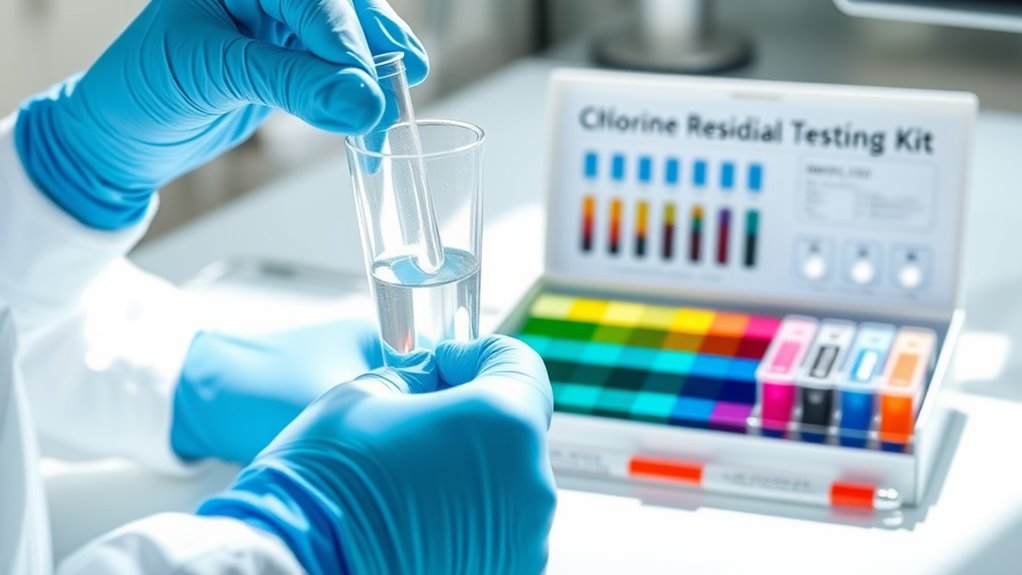
To guarantee chlorine residual testing is conducted safely, you must follow established procedures and use proper protective equipment. This helps prevent exposure to chlorine odor, which can cause irritation or discomfort. Always wear gloves, goggles, and a mask to protect your skin and respiratory system. When collecting samples, handle them carefully to maintain residual stability, ensuring accurate results. Avoid disturbing the water too much, as agitation can release chlorine odor or alter residual levels. Follow standard methods for testing, such as using calibrated test kits or meters, and record your findings precisely. Proper safety measures reduce the risk of inhaling fumes or misreading chlorine levels, ensuring both your safety and the accuracy of the testing process. Additionally, understanding the importance of air quality can help in designing safer testing environments.
As an affiliate, we earn on qualifying purchases.
Common Methods Used in Chlorine Testing
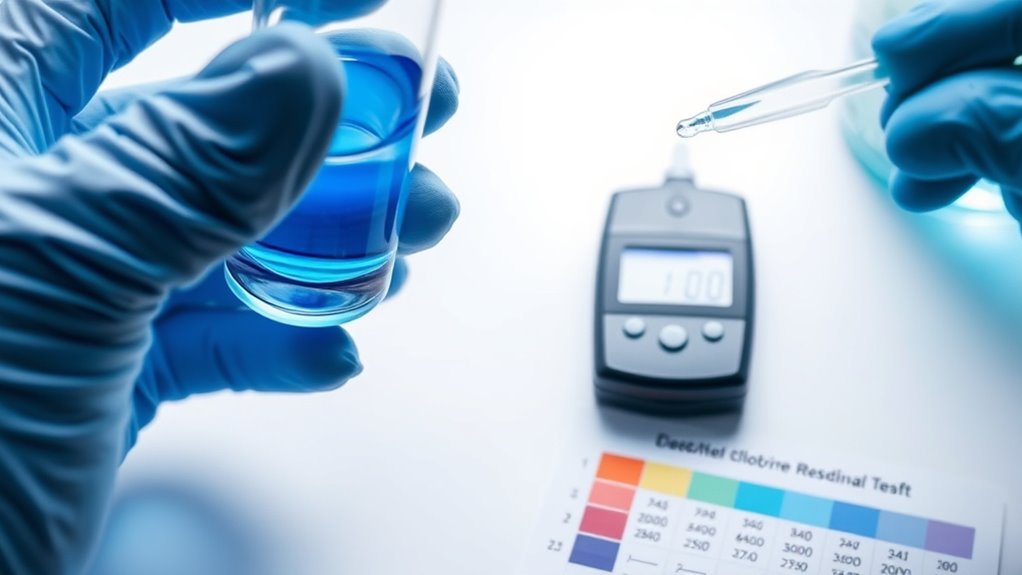
You have several options when it comes to testing chlorine levels, including test kits and digital meters. Manual test kits are affordable and straightforward, while digital devices offer quick, precise readings. Understanding the differences helps you choose the best method for your safety and accuracy.
Test Kit Types
There are several common methods used in chlorine residual testing, each with its own advantages and limitations. Chlorine test strips are popular because they are simple, quick, and require no special equipment. You dip the strip into water, then compare the color change to a chart to determine chlorine levels. Reagent kits are another common option; they involve adding a chemical reagent to a water sample and observing a color change. These kits tend to be more precise than test strips but require more steps and some handling of chemicals. Both methods are widely used in various settings, from small pools to municipal water systems. Choosing between them depends on your need for speed, accuracy, and ease of use. Effectiveness of testing methods can vary depending on the specific circumstances and proper usage.
Digital vs. Manual
Digital chlorine testers use electronic sensors to provide quick and accurate readings, often with digital displays that are easy to interpret. They automate many processes, offering automation advantages like rapid results and minimal user error. Digital calibration guarantees consistent accuracy over time, reducing the need for manual adjustments. These devices are ideal for continuous monitoring and large-scale testing. Manual methods, like test kits, rely on color comparisons and chemical reagents, which can be subjective and time-consuming. They often require more skill and experience to ensure accuracy. Digital testers streamline testing, reduce human error, and save time, making them preferable for frequent or large-volume testing. However, manual methods remain useful for quick, low-cost checks or in remote locations without power sources. Additionally, understanding the specific tuning options available for different Honda models can help optimize performance when needed.
As an affiliate, we earn on qualifying purchases.
Understanding the Results and What They Mean
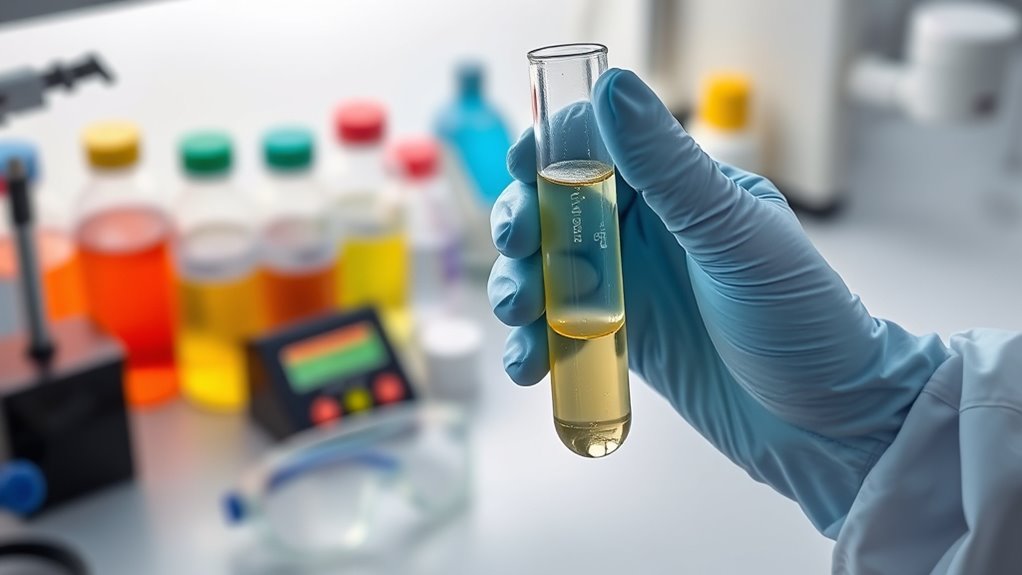
Understanding the results of chlorine residual testing is essential for ensuring water safety. When you interpret these results, focus on chlorine stability and residual levels. Chlorine stability indicates how well the chlorine remains effective over time, helping prevent bacterial growth. Residual levels tell you if enough chlorine is present to disinfect without excess that could cause taste or health issues. A proper residual level typically falls within a safe, effective range. If levels are too low, the water might not be adequately disinfected, risking contamination. If they’re too high, it can lead to taste problems and potential health concerns. Regularly checking and understanding these results helps you maintain safe, clean water, ensuring that chlorine remains effective without overuse. Developing a demo reel can also showcase your expertise and attract more opportunities in the industry.
Safety Measures for Water Treatment Workers

As a water treatment worker, following strict protective gear protocols is essential to stay safe. You need to handle chemicals properly and know emergency response plans to prevent accidents. Focusing on these safety measures helps safeguard you and ensures effective water treatment operations. Being aware of AI safety measures and potential vulnerabilities can further enhance safety protocols in modern water treatment facilities.
Protective Gear Protocols
Protective gear is vital for water treatment workers to safely handle chlorine residual testing. Wearing the right personal protective equipment (PPE) minimizes exposure risks and keeps you safe. Before starting, ensure you’ve received proper safety training to understand gear use and potential hazards. Your PPE should include gloves, goggles, a face shield, and a lab coat or apron. These items create a barrier against splashes and fumes. Always inspect your gear for damage before use. Proper protective gear not only prevents skin and eye contact but also helps you remain focused and confident during testing. Additionally, understanding chlorine safety protocols is essential to minimize risks associated with handling hazardous chemicals. Remember, adhering to protective gear protocols is essential for your safety and the integrity of your work environment.
Proper Handling Procedures
To guarantee safety during chlorine residual testing, you must follow proper handling procedures at all times. Handle chlorine carefully to maintain its stability and prevent accidents. Always check water pH levels before adding chlorine, as pH affects chlorine’s effectiveness and safety. Use appropriate containers and tools to avoid spills. Store chlorine in secure, well-ventilated areas away from incompatible chemicals. Regularly inspect equipment for leaks or corrosion. Remember, your careful actions protect you and your team. Additionally, understanding the principles of sound healing science can enhance your awareness of environmental influences on safety and well-being during operations.
Emergency Response Planning
Effective emergency response planning is essential for water treatment workers to handle unexpected incidents swiftly and safely. When chemical reactions go awry or spills occur, having a clear plan guarantees quick action, minimizing harm and maintaining regulatory compliance. You should know how to identify hazards, use protective equipment, and communicate effectively during an emergency. Your plan must include procedures for containment, neutralization, and cleanup, especially when dealing with chlorine or other chemicals. Regular drills and training help you stay prepared for real events. Being proactive reduces risks and helps you respond more efficiently. Remember, safety isn’t just about compliance—it’s about protecting yourself, your colleagues, and the community. Incorporating practical support and ongoing education into your training programs further enhances preparedness and response effectiveness.
Ensuring Consistency and Accuracy in Testing

Maintaining consistency and accuracy in chlorine residual testing is essential for ensuring safe water quality. To do this, regularly calibrate your testing equipment and follow standardized procedures. Pay close attention to chlorine dosage, as over- or under-dosing can lead to misleading results. Additionally, monitor water pH, since it influences chlorine’s effectiveness and the accuracy of test readings. Use fresh reagents and proper sampling techniques to prevent contamination. Record your results consistently to identify trends and detect issues early. Training staff thoroughly guarantees everyone follows the same methods, reducing human error. By prioritizing precise measurements, correct chlorine dosage, and water pH awareness, you can achieve reliable test results that safeguard public health. Incorporating quality control measures, such as regular testing of reagents, further enhances the reliability of your results.
Protecting Consumers Through Proper Chlorine Management
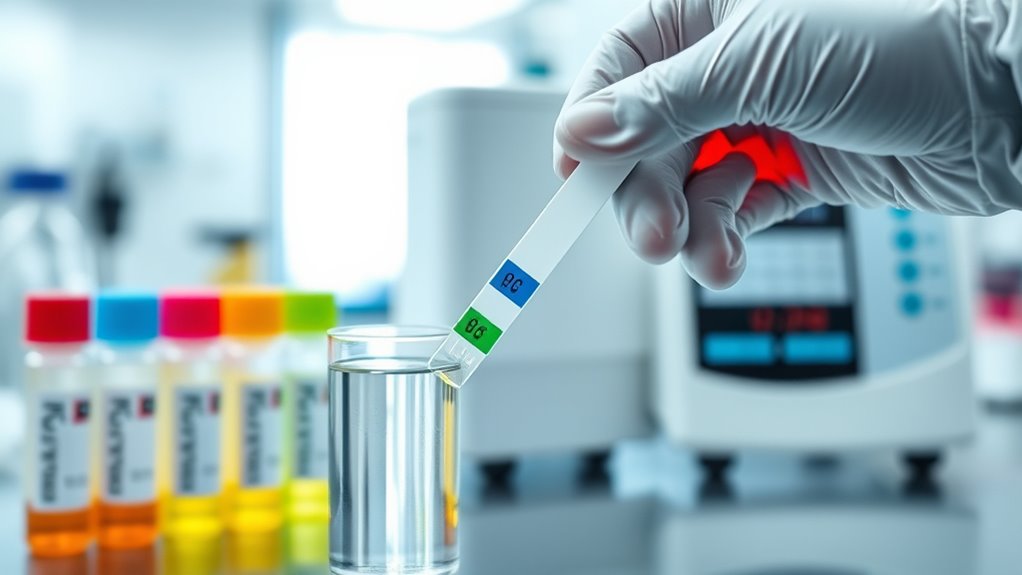
Proper chlorine management is essential for protecting consumers and ensuring safe drinking water. When managed correctly, you minimize issues like chlorine taste and water discoloration, which can turn people away from drinking tap water. Effective management involves regular testing, adjusting chlorine levels, and monitoring for fluctuations. This helps prevent over-chlorination that causes a harsh taste and under-chlorination that risks contamination. Proper practices also include maintaining equipment and educating staff on best procedures. When done right, you provide clean, fresh water that tastes good and looks clear. You build trust with consumers, reduce complaints, and promote public health. Correct chlorine management isn’t just about compliance—it’s about safeguarding every sip for everyone who relies on your water supply.
Frequently Asked Questions
Can Improper Testing Lead to Health Risks?
Improper testing can indeed lead to health risks. If you don’t use reliable testing equipment or collect samples correctly, your results might be inaccurate. This could cause you to misjudge the chlorine levels, either leaving harmful bacteria untreated or adding too much chlorine. Always follow proper sample collection procedures and make certain your testing equipment is calibrated. Accurate results help you maintain safe water quality and protect health.
How Often Should Chlorine Residual Testing Be Performed?
You should perform chlorine residual testing at least daily to guarantee safe water quality. Regular testing frequency helps you maintain regulatory compliance and prevents health risks. By monitoring chlorine levels consistently, you catch potential issues early and adjust dosing as needed. This proactive approach keeps your water safe, complies with standards, and reduces the chance of harmful bacteria or disinfection failures. Make testing a routine part of your water management plan.
What Are the Signs of Inaccurate Test Results?
Imagine a mirror reflecting a distorted image—your test results might be similarly skewed. Signs of inaccurate results include inconsistent readings, sudden changes, or values outside expected ranges. This often indicates improper test kit calibration or sample contamination. Always double-check your test kit’s calibration, keep samples uncontaminated, and follow procedures carefully to guarantee your results remain accurate and reliable. Trust your test, but verify its clarity.
Are There Specific Safety Protocols for Emergency Testing?
When performing emergency testing, you should follow strict safety protocols. Always wear appropriate safety gear like gloves, goggles, and a mask to protect yourself from chlorine exposure. Know the emergency procedures, such as how to quickly evacuate the area or use eyewash stations if splashes occur. Stay calm, act swiftly, and guarantee others are aware of safety measures. Regularly review these protocols to maintain safety during urgent testing situations.
How Does Chlorine Residual Testing Affect Overall Water Quality?
Chlorine residual testing directly impacts your water quality by ensuring proper disinfection levels, which helps prevent water contamination. Accurate testing allows you to identify if chlorine levels are too low or too high, safeguarding health and compliance. When you perform reliable tests, you maintain safe, clean water, reducing risks of bacteria and other contaminants. Consistent testing accuracy supports your efforts in delivering safe water and maintaining overall water quality standards.
Conclusion
By carefully managing chlorine levels, you’re helping to keep the water as safe and inviting as a gentle stream flowing through a peaceful forest. Your diligent testing acts like a guardian, quietly ensuring each drop remains pure and wholesome. When you prioritize safety and accuracy, you’re painting a vibrant scene of healthy communities and protected families. Remember, your efforts are the steady hand guiding water’s journey, turning everyday tap water into a safe, invigorating oasis for everyone to enjoy.
NFL season / tailgating Picks
team gear
As an affiliate, we earn on qualifying purchases.