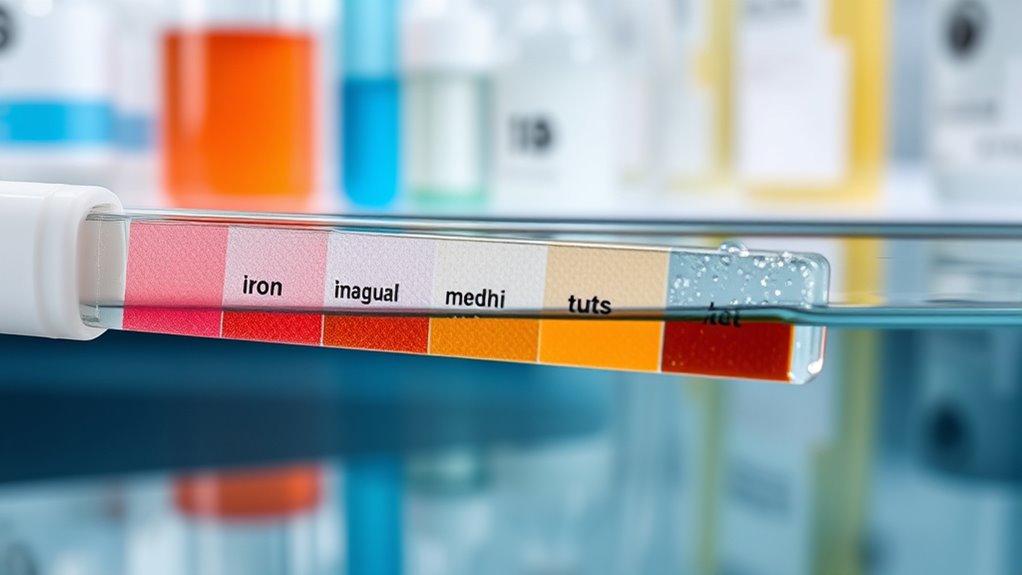
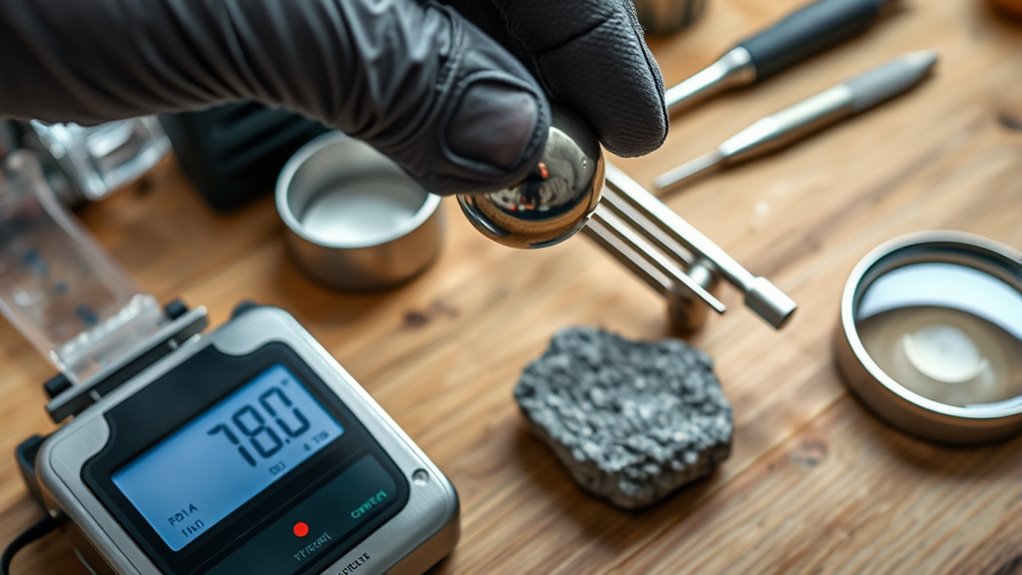
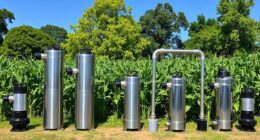
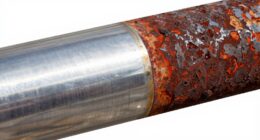
Proper sampling techniques prevent contamination, ensuring reliable results—discover essential methods to keep your samples pristine and why these practices matter.
Browsing Category
Quality & Testing
63 posts
Monitoring Chlorine and Chloramine Residual in Municipal Water
Tracking chlorine and chloramine residuals is essential for safe water, and discovering how to optimize monitoring can improve your system’s performance.
Water Test Results: How to Interpret Laboratory Reports
Analyzing water test results is essential to understanding safety levels and what actions may be needed, so continue reading to learn how to interpret laboratory reports effectively.
Understanding Minimum Testing Requirements: EPA Recommendations
To understand EPA’s minimum testing requirements, you need to follow their established…
Testing for PFAS and Emerging Contaminants: New Challenges
Pursuing accurate testing for PFAS and emerging contaminants involves overcoming evolving challenges that demand innovative solutions—discover how to stay ahead.
Evaluating Iron and Manganese Levels and Their Effects
Discover how evaluating iron and manganese levels impacts water quality and health, and learn why ongoing testing is essential for safe, clean water.
Testing for Hardness: DIY Methods and Interpreting Results
Discover DIY methods for testing water hardness and learn how to interpret your results to protect your plumbing and appliances.
Analyzing Total Dissolved Solids (TDS) and What It Tells You
Analyzing Total Dissolved Solids (TDS) helps you understand the mineral and impurity…
Testing for Lead in Household Water: Procedures and Solutions
Absolutely—discover essential procedures and solutions for testing lead in household water and learn how to effectively protect your family.
Chlorine Residual Testing Safety: What Pros Wish You Knew
The crucial safety tips professionals wish you knew about chlorine residual testing can prevent errors and protect water quality—discover what you need to know next.