To test for lead in your household water, start by collecting a sample carefully following proper guidelines to guarantee accuracy. Use reliable testing methods—either send your sample to a certified lab for precise results or try an at-home test kit for a quick check. Identifying contamination sources like old pipes can help you take steps to reduce exposure. Keep going to discover more detailed procedures and solutions to keep your water safe.

Get home appliances delivered free — and shop member deals
- Fast, free delivery on millions of items
- Access to Prime Big Deal Days deals on October 6–7
- Prime Video, Amazon Music and more included
Key Takeaways
- Collect a water sample following proper procedures to ensure accurate testing results.
- Use certified laboratories for precise lead level analysis, especially after initial home testing.
- Conduct testing regularly if your home has older plumbing or shows signs of corrosion.
- Replace lead-containing pipes, fixtures, or solder to mitigate ongoing lead leaching.
- Address elevated lead levels promptly through professional remediation and preventive measures.
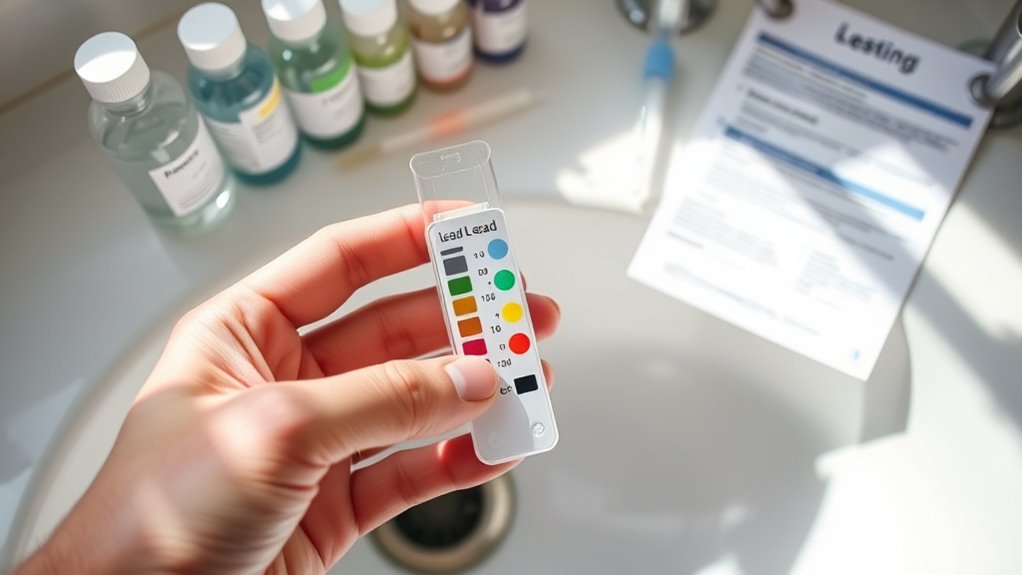
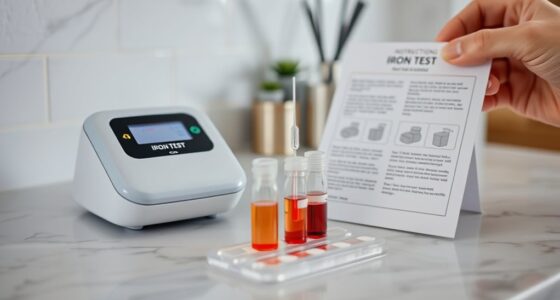
Ensuring your household water is safe to drink starts with testing for lead. Lead contamination in water can pose serious health risks, especially to children and pregnant women. To accurately determine if your water contains lead, it’s essential to understand the different water testing methods available. The most common approach involves collecting a water sample and sending it to a certified laboratory for analysis. This method provides precise, reliable results, revealing the exact lead levels in your water. Alternatively, there are home testing kits that can offer quick, preliminary insights. These kits usually involve a simple test strip or solution that changes color if lead is present. While convenient, home tests are less accurate than lab-based analysis, so if you suspect contamination, it’s best to confirm with professional testing.
Understanding lead contamination sources is also critical. Lead can enter your water through corrosion of household plumbing, pipes, fixtures, or solder that contain lead. Older homes are particularly vulnerable, as they often have plumbing systems installed before lead regulations were enforced. Water sitting in pipes for extended periods, especially after periods of stagnation, can pick up higher levels of lead. Additionally, environmental factors like acidic or chlorinated water can accelerate the corrosion process, increasing lead leaching into your tap water. Knowing these sources helps you identify potential risk areas within your home, prompting more targeted testing and remediation efforts. Proper sample collection is essential for obtaining accurate test results and ensuring your water safety.
As an affiliate, we earn on qualifying purchases.
Frequently Asked Questions
How Often Should I Test My Household Water for Lead?
You should test your household water for lead at least once a year to protect against lead exposure and guarantee water safety. If your home was built before 1986 or has old plumbing, consider testing more frequently. Regular testing helps identify potential risks early, so you can take necessary steps to reduce lead exposure and keep your family safe. Stay proactive about water safety to prevent health issues.
Can I Test for Lead Without Professional Help?
Yes, you can perform DIY testing for lead using test kits available at hardware stores. But beware—these kits vary in accuracy. You might also consider installing water filtration systems designed to reduce lead. While easy, these options may not be foolproof, and unseen risks could persist. For definitive results and peace of mind, professional testing ensures your water’s safety and keeps your family protected.
Are Home Testing Kits Reliable for Detecting Lead?
Home testing kits can give you a rough idea of lead presence, but their testing accuracy isn’t always dependable. They often have kit limitations, such as false positives or negatives, which can mislead your assessment. For the most accurate results, you should consider professional testing. While kits are convenient, investing in expert analysis ensures you get precise information about your household water safety.
What Should I Do if My Water Tests Positive for Lead?
If your water tests positive for lead, act quickly—over 10% of homes in the U.S. have lead levels above safe limits. You should schedule a professional inspection and consider lead removal options immediately. Experts can identify the source and recommend effective solutions, like pipe replacement or filtration systems, ensuring your water is safe. Don’t delay—protect your family’s health by taking prompt action and consulting with qualified professionals.
Do All Household Plumbing Materials Contain Lead?
Not all plumbing materials contain lead, but some do, especially older pipes and fixtures. Check the plumbing material’s lead content before installation or replacement, as leaded materials can release harmful lead into your water. Modern plumbing often uses lead-free options, but it’s crucial to verify the lead content of any plumbing components. If you’re unsure, consult a professional to test your plumbing and ensure your household water stays safe.
certified laboratory water testing service
As an affiliate, we earn on qualifying purchases.
As an affiliate, we earn on qualifying purchases.
Conclusion
Remember, testing your household water is like guarding a treasure chest from silent invaders. By following proper procedures, you become the vigilant guardian, protecting your home’s health and future. Don’t wait for a warning sign—be proactive, like a lighthouse guiding ships safely through darkness. With the right solutions, you can guarantee your water remains pure and safe, turning your home into a fortress of health. Stay vigilant, and let your efforts be the shield that keeps lead at bay.
home lead in water testing strips
As an affiliate, we earn on qualifying purchases.
As an affiliate, we earn on qualifying purchases.
water filtration system for lead removal
As an affiliate, we earn on qualifying purchases.
As an affiliate, we earn on qualifying purchases.
Fall yard work Picks
leaf blowers
As an affiliate, we earn on qualifying purchases.