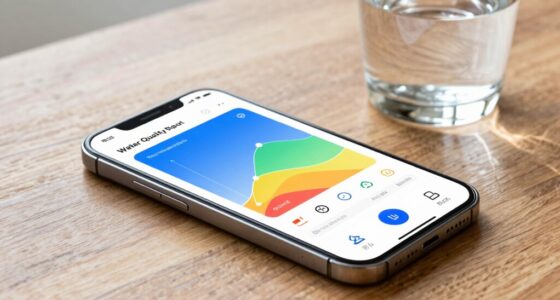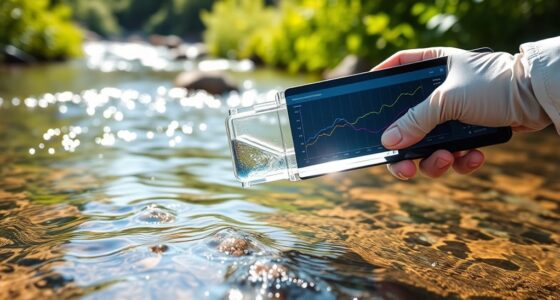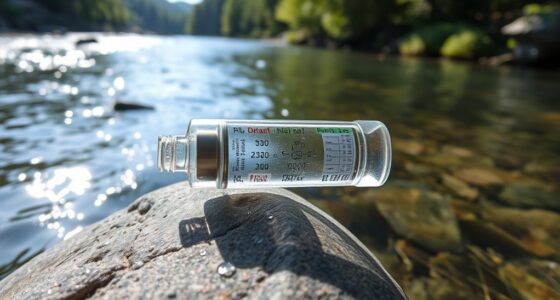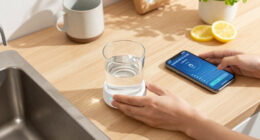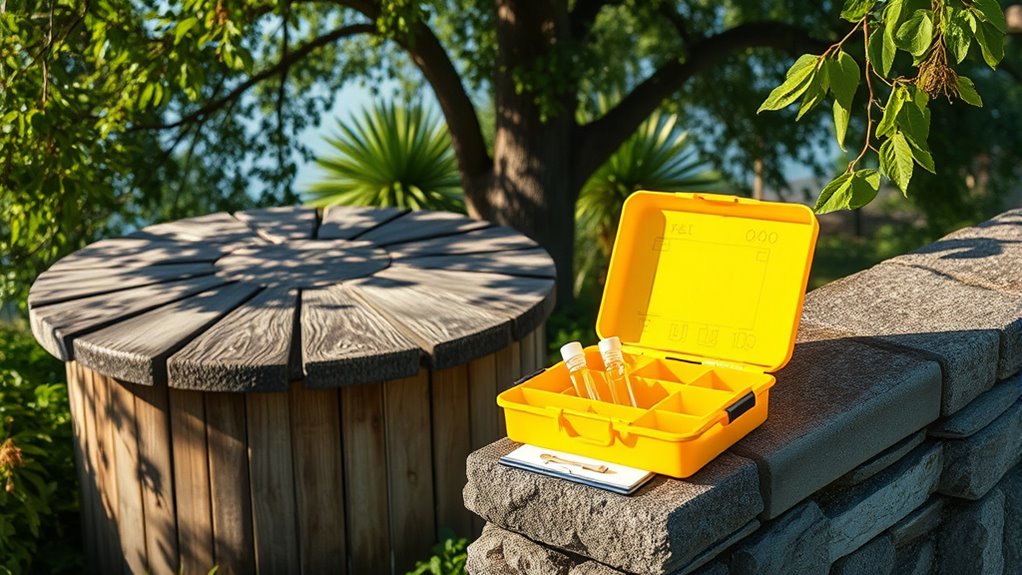

You should test your well water at least once a year for bacteria and nitrates to guarantee safety. If you’re near agricultural land or experience heavy rain, consider testing every 3 to 6 months. For chemical contaminants like heavy metals or pesticides, testing every 2 to 3 years is recommended. Keep an eye out for changes in taste, smell, or appearance—these may call for more frequent checks. Continue with us to learn detailed testing schedules and tips.

Get home appliances delivered free — and shop member deals
- Fast, free delivery on millions of items
- Access to Prime Big Deal Days deals on October 6–7
- Prime Video, Amazon Music and more included
Key Takeaways
- Test for bacteria and nitrates at least once annually as recommended by EPA guidelines.
- Conduct bacteria testing every 3 to 6 months if near agricultural land or after heavy rains.
- Test for chemical contaminants like heavy metals and pesticides every 2 to 3 years.
- Increase testing frequency if water shows changes in taste, odor, color, or appearance.
- Perform additional testing following nearby construction, chemical spills, or environmental changes.

If you rely on well water for your household, regular testing is essential to guarantee its safety and quality. Well water can be contaminated by various sources, including natural minerals, agricultural runoff, or nearby industrial activities. To protect your health and ensure your water remains safe, it’s critical to establish a testing schedule and understand the appropriate testing methods. By doing so, you’ll catch potential issues early and take necessary action before contaminants reach unsafe levels.
Contaminant detection is at the core of well water testing. Different contaminants—such as bacteria, nitrates, heavy metals, and pesticides—require specific testing approaches. For bacteria like E. coli, testing methods typically involve collecting water samples and analyzing them in a laboratory or using home testing kits that give quick results. For chemical contaminants like nitrates or heavy metals, laboratory analysis is more reliable to accurately measure concentrations. Understanding which contaminants are most likely to affect your well, based on your location and land use, helps you decide how often you should test your water.
In general, the U.S. Environmental Protection Agency recommends testing well water at least once a year for bacteria and nitrates. Bacterial contamination can occur suddenly, especially after heavy rains or flooding, so more frequent testing—every 3 to 6 months—is advisable if your well is near agricultural land or if you notice changes in water taste, color, or smell. Chemical contaminants tend to accumulate over time, but they can also spike unexpectedly due to nearby construction or chemical spills. Testing for chemicals should be done at least once every 2 to 3 years, or more often if you notice changes in water quality or suspect contamination sources. Additionally, understanding the signs of spoilage such as off-smell, discoloration, and separation can help you identify when testing may be urgently needed.
Your choice of testing methods plays a pivotal role in ensuring accurate results. While lab testing offers the most precise detection of a broad range of contaminants, home testing kits can be useful for preliminary assessments or routine checks. Keep in mind, though, that home kits may have limitations in sensitivity and scope. If you detect any contamination or if test results show levels above safe standards, it’s important to consult with water quality professionals to verify findings and determine the necessary treatment or repairs.
Ultimately, establishing a regular testing schedule tailored to your well’s location and history ensures you stay proactive about water safety. Remember, consistent testing not only protects your health but also helps maintain the longevity and quality of your well system. The right testing methods and routine checks give you peace of mind, knowing that your household’s water supply remains clean and safe for everyday use.
As an affiliate, we earn on qualifying purchases.
Frequently Asked Questions
Can Well Water Be Tested at Home or Should I Hire a Professional?
You can do DIY testing for your well water, but for accurate, thorough results, hiring a professional analysis is better. DIY kits are helpful for quick checks of common contaminants like bacteria and nitrates, yet they might miss more complex pollutants. A professional can provide detailed testing and interpretation, ensuring your water is safe. Combining both methods gives you peace of mind and reliable results.
What Signs Indicate My Well Water Might Be Contaminated?
A warning sign is when your well water has a strange smell, color, or taste—these are clear signs of water contamination. You might also notice health issues or sediment in the water. Regular well maintenance helps prevent contamination, but stay alert to changes. Remember, an ounce of prevention is worth a pound of cure, so keep an eye on your water quality to protect your health and safety.
How Do Seasonal Changes Affect Well Water Quality Testing?
Seasonal variations can considerably impact your well water quality, so you should test more frequently during certain times of the year. Spring runoff and heavy rains can introduce contaminants, while dry seasons might concentrate pollutants. You need to monitor water quality regularly to catch any issues early, especially after major weather changes. By staying vigilant during seasonal shifts, you guarantee your water remains safe and clean throughout the year.
Are There Any Specific Tests Needed for Private Well Water?
You need to keep your eyes peeled for specific tests for private well water, like bacteria, nitrates, and pH levels. Regular private well maintenance and water quality monitoring are essential to catch issues early. Test for coliform bacteria to guarantee safety, and check for contaminants like lead or pesticides if you notice changes. These targeted tests help keep your water safe and your mind at ease, no matter what.
What Should I Do if My Water Tests Positive for Contaminants?
If your water tests positive for contaminants, take immediate action by implementing water treatment solutions like filtration or disinfection systems. Contact a professional to assess your well’s condition and guarantee proper contamination prevention measures are in place. Regular testing helps catch issues early, protecting your health. Stay proactive by maintaining your water treatment system and monitoring water quality frequently to prevent future contamination and keep your well safe.
bacteria and nitrate water test strips
As an affiliate, we earn on qualifying purchases.
As an affiliate, we earn on qualifying purchases.
Conclusion
Regularly testing your well water is like tending a garden—you need to check in often to catch any weeds before they take over. By sticking to recommended schedules, you’re nurturing a safe, pure supply that keeps your household thriving. Think of each test as watering your well’s health, ensuring it flows clear and strong. Stay vigilant, and your well will reward you with clean water, a steady stream of life’s essential gift.
heavy metal water testing laboratory
As an affiliate, we earn on qualifying purchases.
As an affiliate, we earn on qualifying purchases.
home water testing for pesticides
As an affiliate, we earn on qualifying purchases.
As an affiliate, we earn on qualifying purchases.
NFL season / tailgating Picks
team gear
As an affiliate, we earn on qualifying purchases.