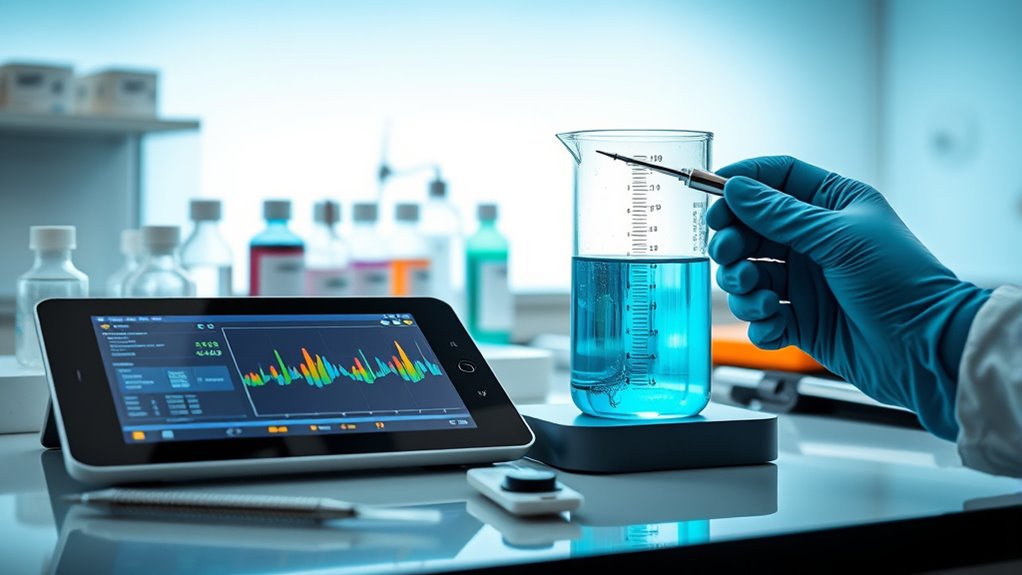

To maintain effective chlorine residual testing, choose the right method for your needs and guarantee your equipment is regularly calibrated and cleaned. Proper sample collection is essential—use sterile containers, label samples accurately, and process them promptly. Interpret results carefully to identify any issues with disinfection, then take corrective actions like adjusting chlorination levels. Establishing a consistent testing routine and keeping detailed records will help you stay on top of water safety—continue to explore for more detailed guidance.
Key Takeaways
- Use appropriate testing methods (digital, titration, strips) suited to your testing frequency and water conditions.
- Regularly calibrate and clean equipment, storing it properly to ensure accurate and reliable results.
- Collect samples correctly using sterilized containers, label clearly, and process promptly to maintain sample integrity.
- Interpret residual levels to identify when adjustments are needed, ensuring safe and effective disinfection.
- Establish a consistent testing schedule, document results meticulously, and train staff for reliable water quality management.
Understanding Chlorine Residuals and Their Importance

Understanding chlorine residuals is essential because they directly indicate the effectiveness of your water disinfection process. By monitoring residual stability, you ensure that chlorine levels remain sufficient to eliminate harmful pathogens. Chlorine decay occurs when residuals drop too low, risking contamination, so maintaining consistent levels is crucial. Knowing how residuals fluctuate helps you identify issues with chlorination systems or water quality that could compromise safety. Regular testing provides a clear picture of how well your disinfection process is working over time. If residuals decline quickly, it signals that your water might not be properly disinfected or that chlorine is dissipating faster than expected. Keeping a close eye on these factors helps you maintain safe, clean water and prevents potential health hazards. Additionally, understanding Chlorine decay can help optimize your chlorination processes to ensure consistent residual levels.
Selecting the Right Testing Method for Your Facility
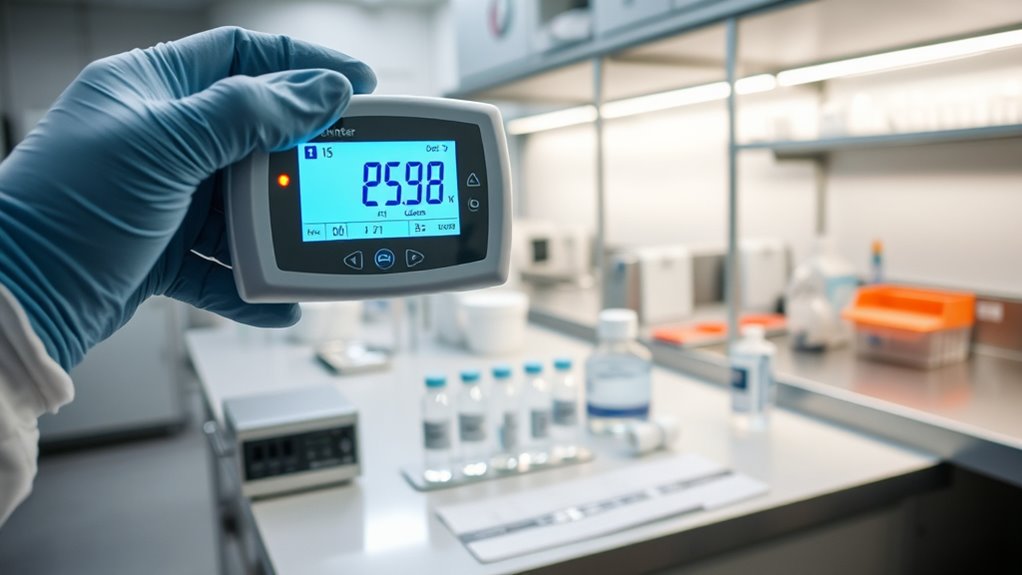
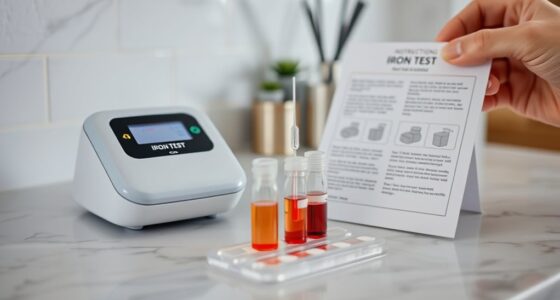
Choosing the right testing method for your facility guarantees accurate monitoring of chlorine residuals and maintains water safety. To guarantee chlorine stability, select a method suited to your testing frequency and water conditions. If you need frequent testing, consider digital or titration methods for quick, reliable results. For infrequent checks, test strips or colorimetric kits might suffice, but ensure they meet your accuracy needs. Consistent testing methods help track chlorine stability over time, reducing the risk of residual fluctuations. The method you choose should balance ease of use, cost, and precision, aligning with your facility’s specific water quality requirements. Additionally, understanding the performance metrics of different testing options can help you select the most effective approach. Remember, the right testing approach makes ongoing chlorine residual management more effective, ensuring safe, clean water for your community.
Preparing Your Testing Equipment for Accurate Results
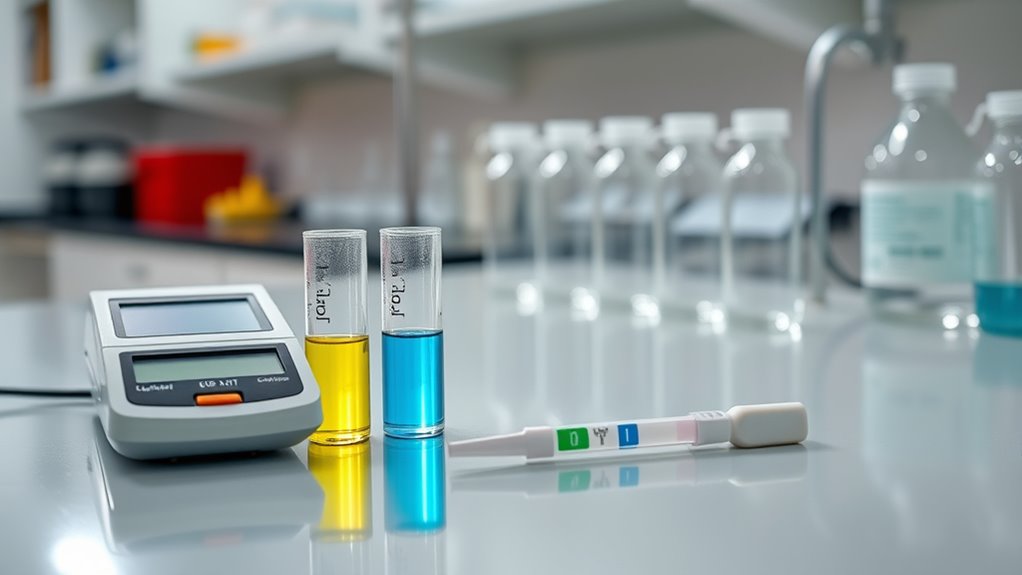
To guarantee your test results are accurate, you need to prepare your equipment properly. Regularly calibrate your testing devices, clean them thoroughly, and store them in suitable conditions. Doing these steps consistently helps maintain the reliability of your chlorine residual readings. Additionally, staying informed about AI security vulnerabilities can help you implement safeguards for your testing data and equipment.
Calibrate Testing Devices Regularly
Regularly calibrating your testing devices is essential to guarantee accurate chlorine residual measurements. Proper calibration ensures your equipment maintains device durability and provides reliable readings over time. To achieve this, establish a consistent calibration frequency based on manufacturer recommendations and usage intensity. Frequent calibration helps identify any drift or inaccuracies early, preventing costly errors and ensuring compliance with safety standards. Keep detailed records of each calibration to track device performance and identify patterns. Using certified calibration solutions and following proper procedures will optimize your equipment’s accuracy and longevity. Remember, neglecting regular calibration can lead to false readings, compromising water quality and safety. Incorporating noise reduction features can extend the lifespan of your equipment and reduce operational disruptions. Make calibration a routine part of your maintenance schedule to ensure your testing devices deliver precise, trustworthy results every time.
Clean Equipment Thoroughly
Before testing your chlorine residual, it’s essential to thoroughly clean your equipment to prevent contamination and guarantee accurate results. Equipment cleaning removes residues, dirt, and any leftover chemicals that could skew your readings. Use clean, rinseable materials and avoid harsh abrasives that might damage sensitive parts. Pay special attention to test tubes, sample bottles, and probes, ensuring they’re free of any residues from previous tests. Proper cleaning helps prevent contamination, which can lead to inaccurate chlorine residual measurements. Always rinse equipment with distilled or deionized water after cleaning to eliminate potential contaminants. Regularly inspecting and maintaining your headphones ensures consistent performance and accurate test results. Remember, consistent equipment cleaning is a simple but crucial step in maintaining reliable test results and ensuring your water quality remains safe and compliant.
Store in Proper Conditions
Ensuring your testing equipment is stored properly is essential for maintaining accuracy and reliability in chlorine residual testing. Poor storage conditions can lead to contamination or sensor damage, skewing chlorine levels results. Store test kits and sensors in a cool, dry place away from direct sunlight and chemicals. Keep them sealed or in designated containers to prevent dust and moisture buildup. Proper storage extends equipment lifespan and guarantees consistent readings. Use the table below to help you remember key storage tips:
| Storage Condition | Benefit |
|---|---|
| Cool, dry environment | Prevents sensor deterioration |
| Sealed containers | Keeps equipment clean and dry |
| Away from chemicals | Avoids contamination |
Additionally, ensuring the storage environment is free from contaminants helps preserve the integrity of your testing equipment.
Regular Calibration and Maintenance of Testing Devices

To keep chlorine residual testing accurate, you need to regularly calibrate and maintain your testing devices. Use advanced calibration techniques to ensure your measurements stay precise over time. Regular calibration helps identify and correct any deviations caused by environmental factors or device wear. Incorporate equipment longevity strategies, like cleaning probes and storing devices properly, to extend their lifespan. Check calibration standards frequently and follow manufacturer recommendations for calibration intervals. Keep detailed records of calibration and maintenance activities to track device performance. Proper maintenance prevents inaccuracies that could compromise water safety. Consistent calibration and upkeep reduce the risk of faulty readings, ensuring your testing remains reliable and compliant with safety standards. Staying proactive in device maintenance safeguards your testing process and supports effective water treatment. Additionally, understanding Bank SWIFT/BIC Codes can be important for secure financial transactions related to water testing services and equipment procurement.
Proper Sample Collection and Handling Procedures

To get accurate chlorine residual results, you need to collect samples correctly and handle them properly. Make sure you’re taking samples from the right locations and following proper procedures to safeguard their integrity. Paying attention to these steps ensures your test results truly reflect the water’s chlorine levels. Additionally, understanding the importance of inspirational quotes about fatherhood can remind us of the value of guidance and support during the testing process.
Collecting Correct Samples
Collecting accurate chlorine residual samples begins with following strict procedures for sample collection and handling. Proper sampling techniques ensure reliable results and prevent contamination. Use clean, opaque bottles to avoid light exposure that can affect chlorine levels. Fill the sample bottle without trapping air bubbles, and cap it tightly. Label samples immediately with date, time, and location. To help visualize, consider this table:
| Step | Action | Purpose |
|---|---|---|
| Use clean containers | Rinse with sample water first | Prevent contamination |
| Fill carefully | Avoid air bubbles | Maintain sample integrity |
| Seal tightly | Prevent sample loss | Ensure accurate testing |
Additionally, understanding the state tax implications for IRA withdrawals can influence financial planning and should be considered when managing investment assets.
Preserving Sample Integrity
Maintaining sample integrity is essential for accurate chlorine residual testing, and proper handling plays a crucial role in this process. To ensure sample preservation and contamination prevention, you should follow these steps:
- Use clean, sterilized containers to avoid introducing contaminants.
- Keep samples cool and process them promptly to prevent changes in chlorine levels.
- Seal containers tightly to prevent exposure to air and external contaminants.
These practices help preserve the sample‘s original condition and ensure reliable results. Avoid exposing samples to sunlight, heat, or prolonged delays, as these factors can compromise sample quality. Proper handling minimizes the risk of contamination, ensuring your chlorine residual measurements reflect true water conditions. Remember, careful collection and handling are key to meaningful testing outcomes.
Interpreting Results and Taking Corrective Actions

When you review chlorine residual test results, it’s vital to determine whether levels fall within the acceptable range for safe disinfection. If residuals are too low, it indicates chlorine decay, risking inadequate microbial control. Conversely, high residuals might signal over-chlorination, leading to taste and odor issues. Watch for residual fluctuations, which can point to inconsistent disinfection or system problems. If residuals are below the target, you should increase chlorination or improve contact time. If levels are too high, consider diluting the water or adjusting dosing. Consistent monitoring helps identify patterns of chlorine decay and guarantees your system maintains effective residuals. AI detection methods can assist in analyzing these patterns more accurately. Prompt corrective actions keep your water safe, compliant, and free of unpleasant side effects.
Establishing a Routine Testing Schedule and Record-Keeping
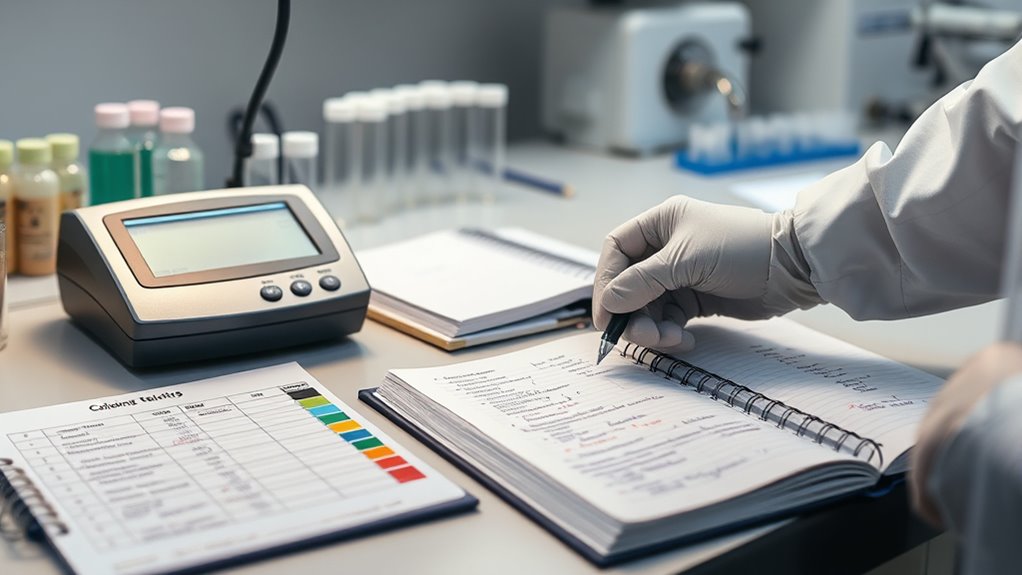
To guarantee dependable chlorine residual testing, it’s essential to establish a routine testing schedule that fits your system’s needs. Consistency in sampling frequency ensures accurate monitoring and timely responses. First, determine how often you’ll test—daily, weekly, or monthly—based on system size and usage. Second, prioritize staff training; well-trained personnel are indispensable for reliable results. Third, maintain meticulous record-keeping of all test results, noting dates, times, and any corrective actions taken. This documentation helps identify trends and supports regulatory compliance. By setting a clear schedule and training staff properly, you ensure your testing process remains reliable and effective. Regular record-keeping also simplifies audits and troubleshooting, safeguarding water quality over time.
Frequently Asked Questions
How Do Temperature Fluctuations Affect Chlorine Residual Test Accuracy?
Temperature fluctuations can impact your chlorine residual test accuracy by causing inconsistencies in readings. You need to perform temperature calibration regularly to account for these changes. Also, make sure proper sample preservation by keeping samples at stable temperatures before testing. When you control temperature effects, your test results become more reliable, helping you maintain safe water standards effectively.
What Are Common Mistakes to Avoid During Sample Collection?
When collecting samples, follow a strict sampling protocol to guarantee accuracy. Avoid contamination by using clean, sterilized containers and gloves, and never touch the inside of the container or lid. Fill the sample bottle without splashing and cap it securely right away. Don’t delay testing, as delays can alter chlorine levels. Proper sample handling and contamination prevention are key to reliable chlorine residual test results.
How Often Should Testing Equipment Be Replaced?
It’s wise not to let your testing equipment reach the point of fatigue. You should replace your testing gear when calibration frequency indicates it’s time, and always check reagent storage conditions to guarantee accuracy. Regularly updating your equipment prevents inaccurate readings and maintains safety standards. Don’t wait until performance declines—stay proactive, and swap out tools as needed to keep your testing reliable and consistent over time.
Can External Contaminants Influence Chlorine Residual Readings?
Yes, external contaminants can influence your chlorine residual readings. Contaminant interference from dirt, chemicals, or biological matter can cause inaccurate results, leading to sample contamination. To guarantee accurate readings, you should always keep your testing equipment clean and avoid sample contamination by collecting samples properly and preventing exposure to external pollutants. Regularly check for potential sources of contamination in your sampling environment to maintain reliable chlorine residual measurements.
What Are the Signs of Malfunction in Testing Devices?
You’ll notice malfunction signs in testing devices when calibration issues cause inconsistent readings or when results don’t match expected values. Power supply problems can lead to sudden device shutdowns or erratic operation. If your device displays error messages, fluctuates unexpectedly, or fails to turn on, it’s time to verify calibration and power sources. Regular maintenance helps prevent these issues and ensures accurate chlorine residual testing.
Conclusion
By staying consistent with your chlorine residual testing, you guarantee safe water and peace of mind. While it might seem simple, neglecting calibration or proper sampling can lead to dangerous lapses. Remember, precision isn’t just about equipment—it’s about your commitment. Maintaining a routine might seem tedious, but it’s your best defense against contamination. In the end, diligent testing isn’t just a task; it’s your safeguard for health and compliance.