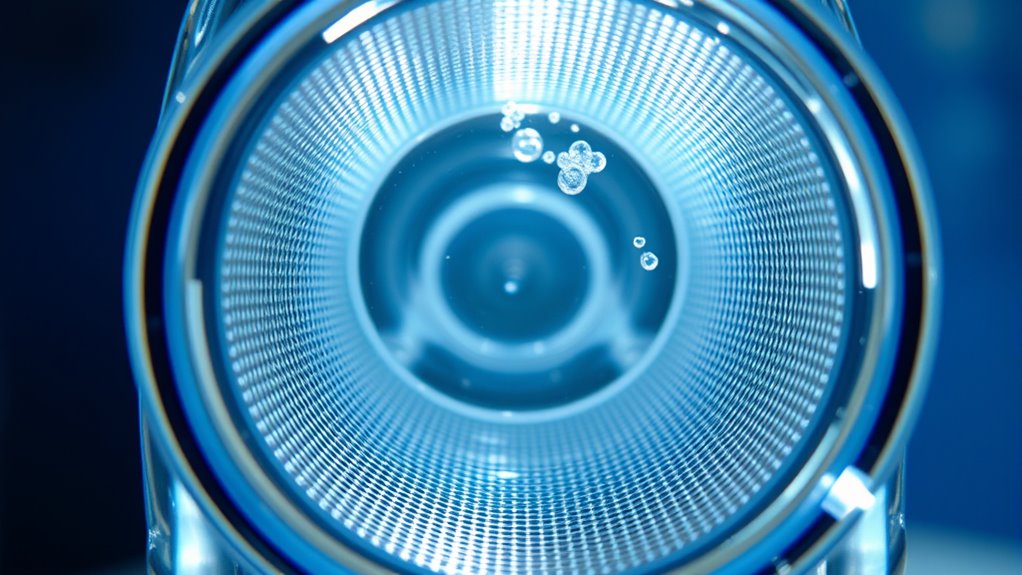

To maintain flow in high flow filters and prevent clogs and scale buildup, regularly monitor pressure differences to catch issues early. Incorporate pre-filtration steps to trap larger debris and prevent excessive load on the filter. Use water softening or antiscalant treatments to reduce mineral deposits that cause scale. Routine cleaning with descaling agents and scheduled inspections help keep your system running smoothly. Keep these practices in mind to guarantee peak performance—continue exploring for more effective tips.

Get home appliances delivered free — and shop member deals
- Fast, free delivery on millions of items
- Access to Prime Big Deal Days deals on October 6–7
- Prime Video, Amazon Music and more included
Key Takeaways
- Perform regular pressure differential checks to detect early signs of clogging or scale buildup.
- Implement pre-filtration to capture larger debris, reducing load on high flow filters.
- Schedule routine cleaning with appropriate descaling agents to remove mineral deposits and maintain flow.
- Use water treatment methods like softening or antiscalants to minimize mineral-induced scale formation.
- Choose high-quality, scale-resistant filter media tailored to specific fluid conditions for enhanced longevity.

Have you ever wondered how high flow filters manage to deliver such rapid and efficient filtration? The secret lies in their design and maintenance practices that prevent common issues like filter clogging and scale buildup. When filters become clogged, their ability to process large volumes of fluid diminishes, leading to reduced flow rates and potential system failures. That’s why proactive measures are essential to keep your high flow filters operating at peak performance.
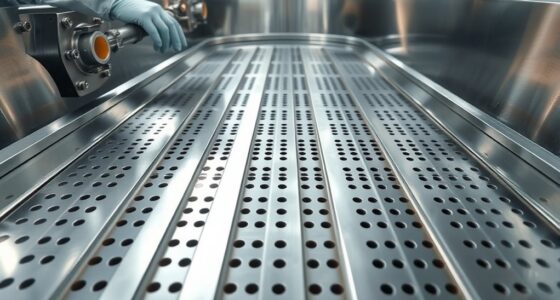
One of the main challenges you face is filter clogging. As debris, particles, and contaminants pass through, they accumulate on the filter media, gradually blocking the flow pathways. To avoid this, you need to regularly monitor the pressure differential across the filter. A rising pressure indicates clogging, signaling that it’s time for cleaning or replacement. Implementing pre-filtration steps can also considerably reduce the load on your main filter, capturing larger particles before they reach the high flow unit. This not only extends the lifespan of your filter but also maintains high flow rates, guaranteeing your system runs smoothly.
Regularly monitor pressure differential and use pre-filtration to extend filter life and maintain high flow rates
Scale buildup is another persistent issue that can hinder flow in high flow filters. When water with high mineral content passes through, minerals like calcium and magnesium can deposit on the filter media and internal components. Over time, these deposits create a layer of scale that narrows or blocks flow channels, decreasing efficiency and risking system damage. To prevent this, you should consider integrating water softening or antiscalant treatments into your process. Regular cleaning with appropriate descaling agents can also remove scale deposits, restoring ideal flow conditions.
Additionally, understanding the signs of spoilage in your filter media can help in timely maintenance and prevent unexpected failures. Maintaining a consistent schedule for filter inspections and cleanings is vital. Performing routine backflushing or replacing filter elements as recommended by the manufacturer ensures that clogging and scale aren’t allowed to develop unchecked. Using high-quality filter media designed specifically for your application can further reduce the risks, as they often have enhanced resistance to clogging and scaling. Additionally, controlling the quality of the incoming fluid by filtering out larger particles beforehand helps keep your high flow system running without interruptions.
high flow water filter with pressure differential monitor
As an affiliate, we earn on qualifying purchases.
As an affiliate, we earn on qualifying purchases.
Frequently Asked Questions
How Often Should I Replace High Flow Filters?
You should replace high flow filters according to the filter replacement schedule recommended by the manufacturer, typically every 6 to 12 months. Monitoring pressure gauges can help identify when the filter is clogged, indicating it’s time for ideal replacement. Regularly inspecting your filters ensures you maintain proper flow and prevent scaling or clogging, which can compromise system performance. Adjust the replacement timing based on usage and water quality for best results.
What Are the Signs of Filter Clogging?
You might notice a drop in filter performance, which is a key sign of clogging. Clog detection often shows up as reduced flow rate or pressure drops across the filter. If you see these signs, it’s time to check for blockages. Regular monitoring helps catch clogs early, ensuring your system runs smoothly. Trust your senses—any slowdown or unusual pressure change indicates it’s time for maintenance.
Can Chemical Treatments Prevent Scale Buildup?
Yes, chemical treatments like chemical inhibitors can effectively prevent scale buildup. These inhibitors work by interfering with mineral crystallization, reducing the risk of scale formation inside your filters. Regular application of these chemicals ensures consistent scale prevention, maintaining ideal flow and filter performance. Using appropriate chemical inhibitors tailored to your water conditions is essential for long-term protection against scale, helping you avoid costly maintenance and downtime.
Are There Eco-Friendly Filter Options Available?
Yes, eco-friendly filter options are available. You can choose biodegradable filters or those made from plant-based media, which lower environmental impact and are sustainable. These filters effectively maintain flow and prevent clogs while being environmentally conscious. By selecting plant-based media, you support eco-friendly practices and ensure your filtration system remains efficient without harming the planet.
How Does Water Temperature Affect Filter Lifespan?
Water temperature substantially impacts your filter’s longevity. Higher temperatures can accelerate chemical reactions that cause scale buildup and clogging, reducing filter lifespan. Conversely, colder water slows these processes, extending your filter’s effectiveness. To maximize filter longevity, you should monitor and maintain a ideal water temperature, avoiding extreme heat or cold. Regularly inspecting and cleaning your filter also helps prevent issues caused by temperature fluctuations, ensuring consistent flow and performance.
pre-filtration system for large debris removal
As an affiliate, we earn on qualifying purchases.
As an affiliate, we earn on qualifying purchases.
Conclusion
Remember, maintaining flow in high flow filters is vital for peak performance. If you think regular cleaning and proper scaling prevention are too time-consuming, consider that investing a little effort now saves you from costly clogs later. By staying proactive, you guarantee your filters work efficiently, reducing downtime and extending their lifespan. Don’t let fear of maintenance hold you back—taking simple steps today keeps your system running smoothly tomorrow.
descaling agents for water filters
As an affiliate, we earn on qualifying purchases.
As an affiliate, we earn on qualifying purchases.
water softening and antiscalant treatments
As an affiliate, we earn on qualifying purchases.
As an affiliate, we earn on qualifying purchases.
NFL season / tailgating Picks
team gear
As an affiliate, we earn on qualifying purchases.