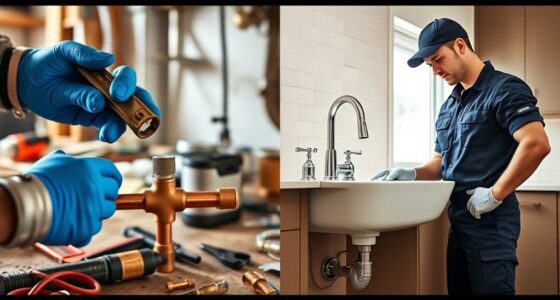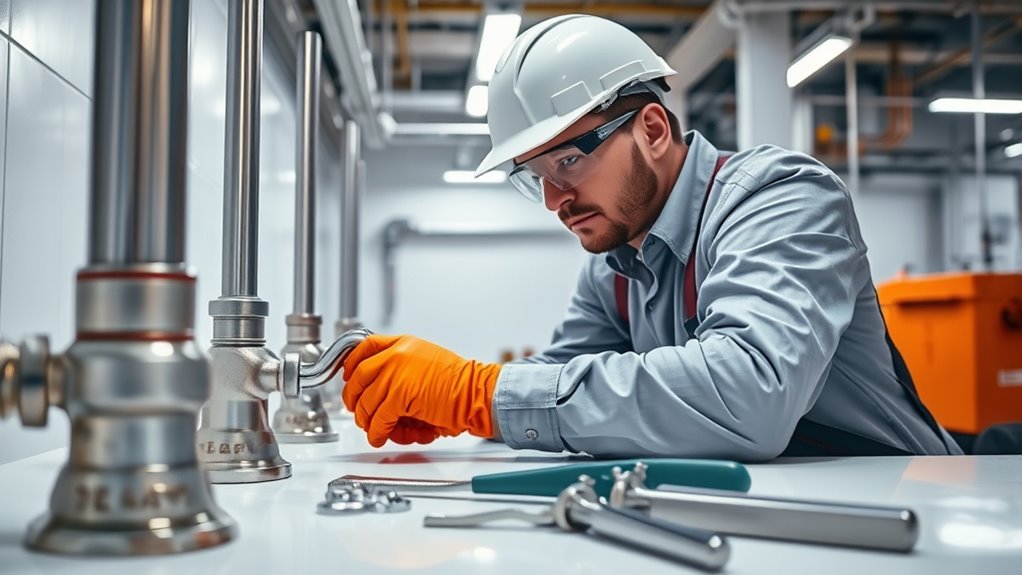

To avoid cross-contamination during plumbing installation, make certain you use only approved, potable water pipe materials and avoid mixing incompatible types. Properly secure and support pipes to prevent movement that could cause leaks or damage. Install backflow preventers and check valves to block contaminated water from entering clean supply lines. Regularly inspect and maintain your system, and follow manufacturer instructions for fittings and connections. Keep system integrity in mind—more tips await to help you stay safe.
Key Takeaways
- Install backflow preventers or check valves to block contaminated water from entering the potable supply.
- Use approved, compatible pipe materials to prevent chemical reactions and leaching into drinking water.
- Ensure proper sealing and secure connections to prevent leaks that could allow contaminants to infiltrate.
- Maintain correct flow direction during installation to avoid cross-connection between potable and non-potable water.
- Regularly inspect and test the system for leaks, backflow, and integrity to prevent contamination risks.

Installation safety is essential to prevent accidents and protect everyone involved in the process. When working on plumbing systems, understanding how water pressure and pipe materials interact is crucial to avoiding cross-contamination. High water pressure can cause pipes to burst or leak if not properly managed, leading to potential backflow issues that threaten the cleanliness of the water supply. Before starting, you should check the water pressure to ensure it falls within safe limits specified for your piping system. Installing pressure regulators or relief valves can help maintain consistent pressure, reducing the risk of damage and contamination.
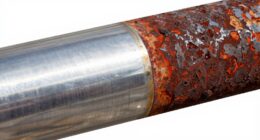
Choosing the right pipe materials is equally important. Different pipe types—such as copper, PVC, PEX, or cast iron—have distinct properties that influence their resistance to contamination and their compatibility with local water conditions. For example, some plastics may degrade over time or leach substances into the water if not rated for potable use. Properly selecting pipe materials ensures that you create a durable, safe system that minimizes cross-contamination. When installing, pay close attention to the connections, fittings, and joints, as these are common points where leaks or backflow can occur. Using the correct fittings and adhering to manufacturer instructions helps prevent potential contamination pathways.
During installation, always verify that the pipe materials you use are approved for drinking water. Mixing incompatible materials can cause chemical reactions or degradation, which might introduce harmful substances into the water supply. Additionally, ensure all pipes are correctly supported and secured to prevent movement that could loosen connections or cause damage over time. When working with different pipe materials, be mindful of thermal expansion or contraction, which can create gaps or stresses leading to leaks. Proper insulation and expansion joints can mitigate these issues, maintaining a sealed system that prevents cross-contamination.
Furthermore, you should always test the system after installation. Conduct pressure tests to ensure there are no leaks or weaknesses, and check for proper flow direction to prevent backflow situations. Installing backflow preventers or check valves is a proactive step to keep contaminated water from entering the clean supply. Regular maintenance and inspections are vital; over time, pipe materials can degrade or become clogged, increasing contamination risks. Addressing these issues early helps maintain a safe, reliable plumbing system. Additionally, understanding the role of color accuracy and contrast ratio in projectors can help ensure optimal viewing conditions in a home theater setup, which is essential for an enjoyable multimedia experience.
Frequently Asked Questions
How Can I Identify Potential Cross-Contamination Risks Before Installation?
You can identify potential cross-contamination risks by conducting a thorough risk assessment before installation. Look for contamination hotspots like shared pipes, improper venting, or areas where materials might mix. Check for existing issues, such as leaks or stagnant water, that could harbor bacteria. By proactively pinpointing these risks, you guarantee safer plumbing setup and prevent contamination from spreading throughout the system.
What Are the Best Practices for Cleaning Plumbing Tools Between Jobs?
You should follow strict cleaning protocols for your plumbing tools between jobs to prevent cross-contamination. First, thoroughly scrub tools with soap and water to remove debris, then perform tool sterilization using disinfectants or heat, depending on the material. Always dry tools completely and store them in a clean, dry place. Regularly inspect and maintain your tools to guarantee they stay effective and safe for each new installation.
Are There Specific Materials That Reduce Contamination Risks?
Think of materials as your shield in contamination prevention. Opt for stainless steel or plastic tools, which resist bacteria buildup and are easy to sterilize. Avoid porous materials like wood or certain composites that trap contaminants. Material selection directly impacts safety, so choose non-porous, smooth surfaces for your tools. This way, you create a barrier that keeps cross-contamination at bay, ensuring a safer, cleaner plumbing environment with every job.
How Often Should Plumbing Systems Be Inspected for Contamination?
You should conduct plumbing inspections for contamination monitoring at least once a year, or more frequently if you notice issues like odors, discoloration, or reduced water quality. Regular inspection frequency helps catch potential contamination early and maintain safe water systems. Keep an eye on signs of cross-contamination and perform thorough checks on pipes, fittings, and fixtures to guarantee your plumbing stays clean and safe for use.
Can DIY Plumbing Installations Increase Cross-Contamination Risks?
DIY plumbing installations can definitely raise cross-contamination risks. While tackling your own plumbing might seem empowering, DIY pitfalls often lead to overlooked contamination control measures. Improper sealing or incorrect pipe connections create pathways for bacteria and pollutants to spread. Unlike professionals, you might miss critical steps that prevent cross-contamination. So, if you’re not well-versed in plumbing standards, it’s safer to call in experts to guarantee your system remains clean and safe.
Conclusion
By following proper installation safety practices, you greatly reduce the risk of cross-contamination in plumbing systems. Did you know that improper installation can lead to contamination issues in up to 30% of residential water supplies? Staying vigilant and adhering to safety protocols ensures clean, safe water for everyone. Remember, a cautious approach not only protects your health but also saves you from costly repairs down the line. Prioritize safety every step of the way.