
To master leak detection and shutoff valves, focus on understanding common causes like corrosion and wear that lead to leaks. Implement advanced technologies such as sensors and thermal imaging for early detection, and choose the right shutoff valves based on material and control needs. Follow best practices for installation and maintenance to guarantee long-term safety. Keep an eye on preventative strategies to minimize risks — you’ll find valuable insights if you explore further.

Get home appliances delivered free — and shop member deals
- Fast, free delivery on millions of items
- Access to Prime Big Deal Days deals on October 6–7
- Prime Video, Amazon Music and more included
Key Takeaways
- Implement sensor-based monitoring systems for continuous detection of pressure, moisture, and gas leaks.
- Select appropriate shutoff valves based on material, actuator type, flow rate, and system compatibility.
- Follow best practices for proper valve installation, operation, and regular maintenance to prevent leaks.
- Utilize advanced detection technologies like acoustic sensors and thermal imaging for early leak identification.
- Adopt preventative strategies such as pressure monitoring, corrosion inspections, and detailed record-keeping to enhance safety and system longevity.
Understanding Common Causes of Leaks and Their Risks
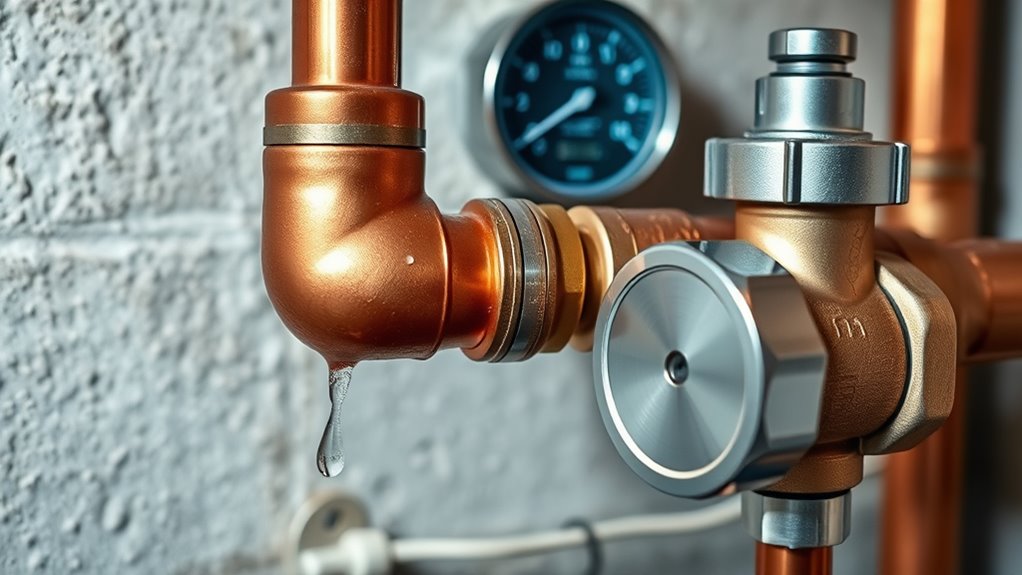
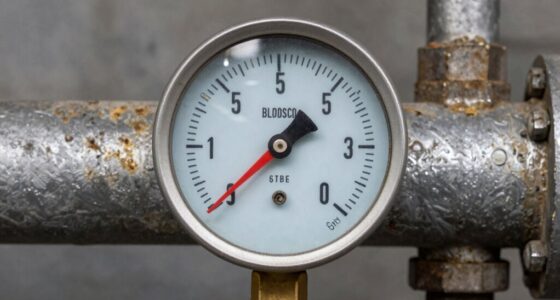
Have you ever wondered what causes leaks and why they pose such serious risks? Corrosion issues are a primary culprit, especially in aging infrastructure where pipes and valves deteriorate over time. As metal parts corrode, tiny holes form, allowing water or other fluids to escape unexpectedly. These leaks can lead to significant property damage, safety hazards, and costly repairs if left unnoticed. Aging infrastructure exacerbates this problem, as older pipes are more vulnerable to corrosion and wear. Over time, material fatigue weakens joints and seals, increasing the likelihood of leaks. Recognizing these common causes helps you understand why regular inspections and maintenance are vital to prevent leaks and safeguard your property from the risks associated with deteriorating systems. Additionally, understanding sound healing science reveals how vibrations can influence material integrity and help in detecting early signs of structural weakness.
Techniques and Technologies for Effective Leak Detection

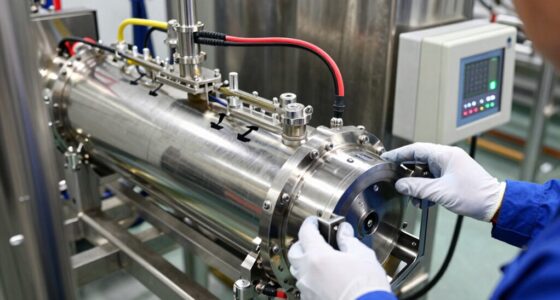
Effective leak detection relies on a variety of advanced techniques and technologies designed to identify issues quickly and accurately. Sensor integration plays a vital role, allowing you to monitor systems continuously through connected sensors that detect pressure drops, moisture, or gas leaks. These sensors feed real-time data into sophisticated leak detection algorithms, which analyze patterns and identify anomalies indicating a leak. By combining sensor data with intelligent algorithms, you can pinpoint leaks early and reduce damage or downtime. Modern techniques also include acoustic sensors and thermal imaging, which enhance detection accuracy. Implementing these technologies guarantees you stay ahead of potential failures, minimizing risks and maintaining system integrity. Overall, leveraging sensor integration and leak detection algorithms is essential for effective, proactive leak management.
Types of Shutoff Valves and How to Choose the Right One
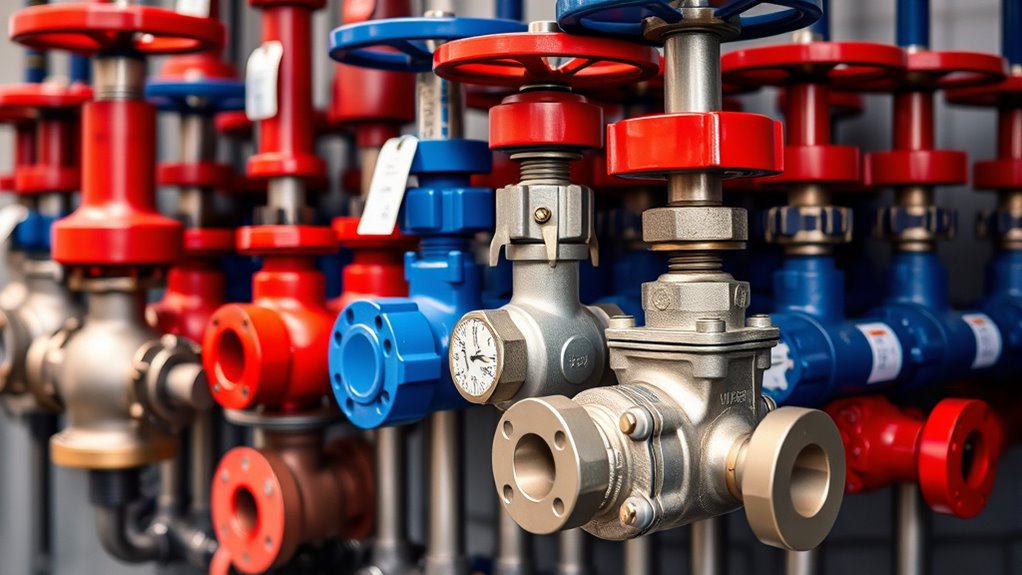
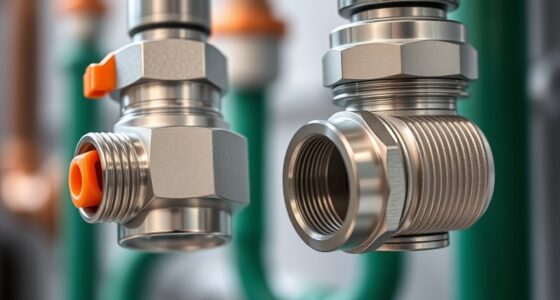
Once you’ve implemented leak detection systems, selecting the right shutoff valve becomes crucial for controlling and stopping leaks efficiently. The choice depends on valve materials, which must withstand your fluid type and operating conditions—metal alloys like brass or stainless steel are common for durability, while plastics suit corrosive environments. Actuator types also play a key role; electric actuators enable remote control, pneumatic actuators offer quick response, and manual actuators provide simplicity for less critical applications. Consider flow rate, pressure, and automation needs when choosing. A properly selected valve ensures reliable shutoff and minimizes downtime. Matching valve materials and actuator types to your specific system ensures ideal performance, safety, and longevity of your leak prevention setup. For optimal performance, understanding the contrast ratio of your projector can significantly improve image quality during your viewing sessions.
Best Practices for Installing, Operating, and Maintaining Shutoff Valves
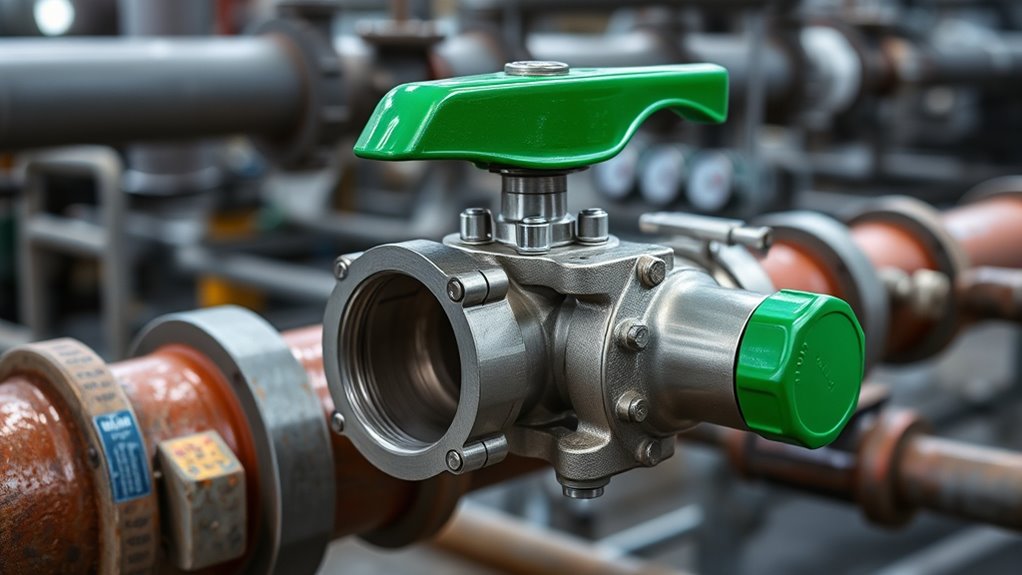
Proper installation, operation, and maintenance are essential to guarantee your shutoff valves function reliably and extend their service life. Following proper installation guidelines ensures valve longevity by preventing issues like leaks or premature failure. Always verify that valves are installed in the correct orientation and that connections are secure and free of debris. During operation, avoid forcing the valve handle or actuator, and operate it smoothly to prevent wear. Regular maintenance, such as inspecting for corrosion, leaks, or damage, keeps the valve in peak condition. Lubricate moving parts as recommended by the manufacturer to reduce friction and wear. Additionally, implementing vertical storage solutions can help protect valves from environmental damage and facilitate easier access for maintenance. By adhering to these best practices, you’ll maximize your valve’s lifespan, improve performance, and reduce the risk of leak incidents.
Preventative Strategies to Minimize Leak Incidents and Ensure Safety

Implementing proactive maintenance and inspection routines is essential for minimizing leak incidents and maintaining safety. Regular corrosion inspections help identify early signs of deterioration, preventing potential failures. Consistent pressure monitoring ensures systems operate within safe limits, reducing stress on valves and pipelines. To strengthen your preventative strategies, consider:
Proactive maintenance and inspections are key to preventing leaks and ensuring safety.
- Conducting scheduled corrosion inspections to detect rust or material degradation
- Using pressure monitoring tools to identify abnormal fluctuations
- Implementing routine valve testing to verify operational integrity
- Maintaining detailed records of inspections and maintenance activities
- Utilizing top mattress toppers to improve comfort and support, which can help reduce stress on plumbing components and extend equipment lifespan
Frequently Asked Questions
How Do I Identify the Most Vulnerable Points for Leaks in My System?
You can identify the most vulnerable points for leaks by inspecting corrosion hotspots and flexible joints regularly. Corrosion hotspots often weaken pipes, making them prone to leaks, so look for signs like rust or discoloration. Flexible joints are common leak points due to movement or wear; check for cracks, leaks, or unusual noises around these areas. Promptly addressing issues in these vulnerable spots helps prevent bigger system failures.
What Are the Signs Indicating a Shutoff Valve Needs Replacement?
You’ll know a shutoff valve needs replacing if you notice corrosion indicators like rust or mineral buildup, and if it starts making unusual noises such as squealing or banging. Leaking around the valve or difficulty turning it on or off also signals potential failure. Don’t ignore these signs; replacing the valve promptly prevents leaks and system damage, ensuring safe and efficient operation.
How Often Should Leak Detection Systems Be Calibrated for Accuracy?
You should calibrate your leak detection system’s sensors regularly to guarantee accurate readings. Typically, sensor maintenance and calibration frequency depend on your system’s environment and usage but aim for every 6 to 12 months. This routine keeps your system in top shape, preventing false alarms or missed leaks. Staying proactive with calibration helps you maintain peace of mind, ensuring your leak detection remains reliable and efficient over time.
Are There Environmentally Friendly Options for Leak Detection and Shutoff Valves?
Yes, you can find eco-friendly leak detection and shutoff valves made from sustainable technologies and eco-friendly materials like recycled plastics and biodegradable components. These options reduce environmental impact while maintaining performance. By choosing these environmentally friendly options, you support sustainability efforts and minimize harmful effects on ecosystems. Look for products certified for eco-friendliness and energy efficiency to ensure you’re making the most sustainable choice for your system.
What Training Is Recommended for Personnel Operating Shutoff Valves Safely?
Did you know that proper training reduces valve-related accidents by 40%? To operate shutoff valves safely, you should undergo thorough training on valve maintenance and emergency response procedures. This guarantees you understand how to detect issues quickly and respond effectively to leaks or failures. Regular drills and updates keep your skills sharp, helping you act confidently during emergencies and maintain system integrity.
Conclusion
By understanding common leak causes and utilizing the right detection tech and shutoff valves, you can substantially reduce risks. Regular maintenance and preventative strategies are key to safety and efficiency. Did you know that industries with proactive leak management see up to a 30% decrease in costly failures? Stay vigilant, follow best practices, and keep your systems secure to prevent leaks before they happen. Your proactive approach makes all the difference.
NFL season / tailgating Picks
team gear
As an affiliate, we earn on qualifying purchases.