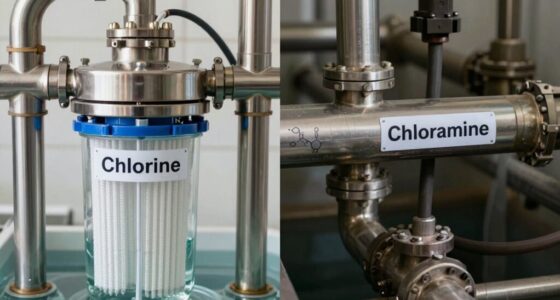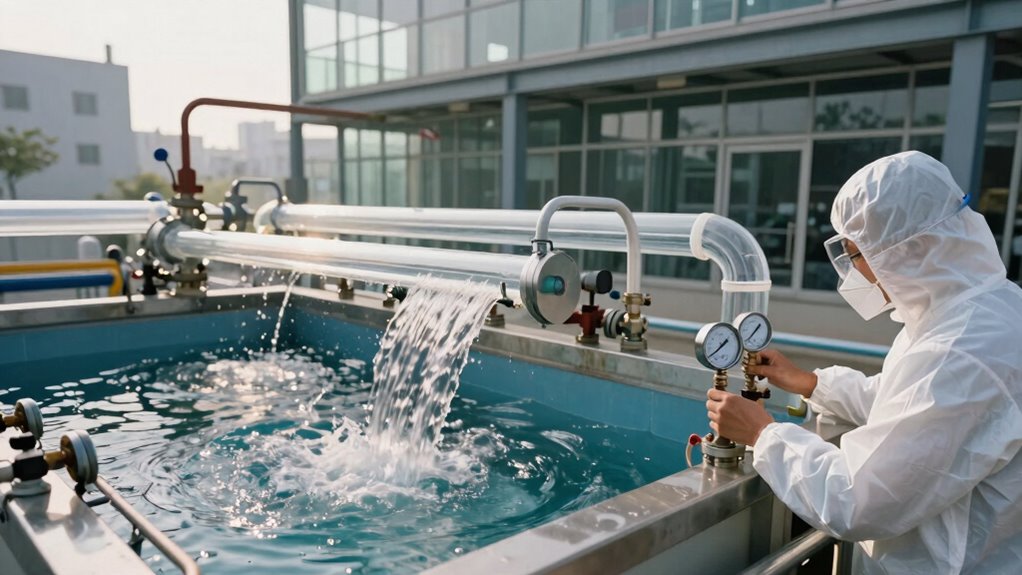

Starting water treatment by focusing on risks guarantees you target the actual hazards in your water, like chemical or biological contaminants, instead of relying on generic products. Identifying these risks helps you choose the right treatment methods and prevents false security. When you understand the specific dangers, you can treat your water more effectively and protect your health long-term. Keep exploring to uncover how a risk-based approach can make your water truly safe.

Get home appliances delivered free — and shop member deals
- Fast, free delivery on millions of items
- Access to Prime Big Deal Days deals on October 6–7
- Prime Video, Amazon Music and more included
Key Takeaways
- Identifying hazards ensures the selection of effective treatment methods tailored to specific water risks.
- Understanding risks prevents reliance on ineffective products and promotes targeted, evidence-based water safety measures.
- Risk assessment helps detect contaminants that may not be visible or obvious, avoiding false security.
- Proactive monitoring of hazards reduces unnecessary expenses and enhances long-term water quality management.
- Starting with risks prioritizes health protection over product use, leading to more reliable and appropriate treatment solutions.
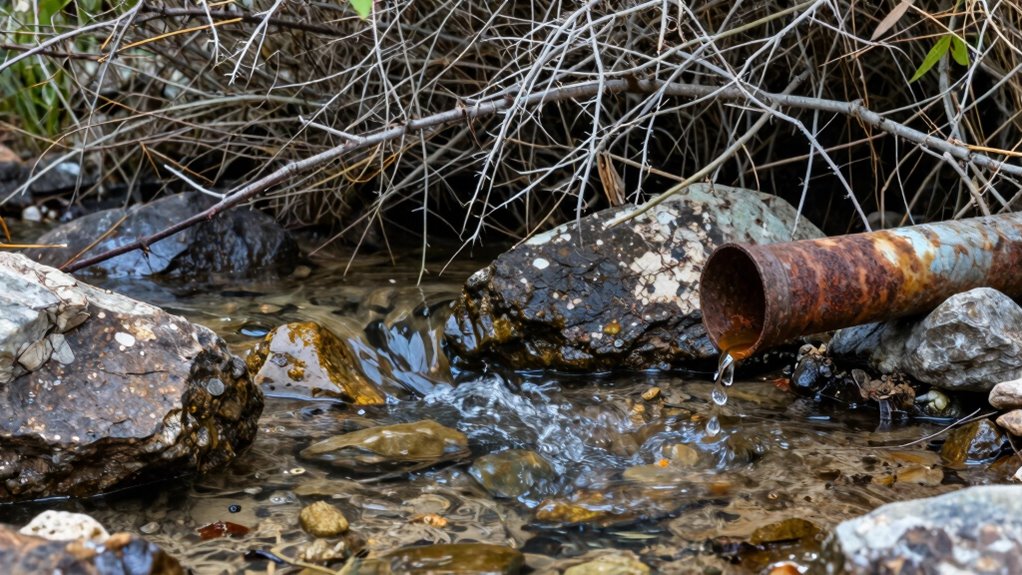
Have you ever wondered if the water you drink is truly safe? When it comes to water treatment, many people focus solely on the products used—filters, purifiers, chemical treatments—assuming these tools alone guarantee safety. But that’s a dangerous misconception. The real starting point should be understanding the risks your water presents, particularly chemical contaminants and biological hazards. Without this foundation, even the best treatment products might fall short or, worse, introduce new issues. Recognizing these hazards can also help you identify identity theft risks that relate to water safety, such as contamination linked to fraudulent or unregulated treatment methods.
Chemical contaminants can originate from a variety of sources—industrial waste, agricultural runoff, aging pipelines, or even household chemicals. These substances, like heavy metals, pesticides, or pharmaceuticals, can linger in water, sometimes at levels that aren’t immediately obvious but pose long-term health risks. Identifying which chemicals are present helps you choose the most effective treatment methods. For example, water with high levels of lead requires different filtration techniques than water contaminated with pesticides. Overlooking this step means you might waste money on treatments that aren’t suited for your specific water issues or, worse, believe your water is safe when it’s not.
Identifying specific chemicals in water ensures you choose the right treatment and avoid unnecessary costs or risks.
Biological hazards are equally critical. Bacteria, viruses, and parasites can enter water supplies through sewage overflows, contaminated runoff, or faulty infrastructure. These biological threats can cause illnesses ranging from mild gastrointestinal discomfort to severe, life-threatening conditions. Knowing whether your water contains biological hazards informs whether you need chlorination, UV treatment, or other specific disinfection processes. Simply assuming that a standard filter will remove these biological threats can be risky, especially if the filter isn’t designed for pathogens. Conducting a comprehensive water test can help identify the full spectrum of biological risks present. Additionally, understanding the sources of contamination can help prevent future hazards. Regular testing and awareness of potential contamination sources are crucial for maintaining safe water over time.
Starting with risk assessment shifts your focus from a reactive approach—buying a product because it’s popular—to a proactive one. You analyze your water, identify the real dangers, and then select the right treatment solutions. This approach minimizes unnecessary expenses and ensures your water is genuinely safe. It also encourages ongoing monitoring, because risks can change over time, especially with environmental shifts or infrastructure updates.
In essence, water treatment isn’t just about having the latest product or the most expensive filter. It’s about understanding what’s in your water, where the risks lie, and addressing those hazards directly. By prioritizing risks over products, you take control of your water safety, making informed decisions that protect your health in the long run.
As an affiliate, we earn on qualifying purchases.
Frequently Asked Questions
How Do Risks Differ Between Residential and Industrial Water Treatment?
Risks differ between residential and industrial water treatment mainly because of source contamination and scale. Residential systems face risks from household contaminants like lead or bacteria, requiring targeted risk mitigation. Industrial treatment deals with larger, more complex source contamination, including chemicals and heavy metals, demanding more rigorous risk management. Your focus should always be on identifying specific risks first to implement effective risk mitigation strategies suited to each setting.
What Are the Long-Term Health Impacts of Untreated Water Risks?
Ignoring untreated water risks can lead to serious long-term health impacts like chronic illnesses, organ damage, or even cancers from contamination exposure. By boosting your health awareness and understanding potential risks, you can better prevent contamination. Consistent water treatment focused on risks guarantees safer water, reduces disease transmission, and protects your long-term health, making contamination prevention a priority for your overall well-being and community safety.
How Can Risk Assessments Be Integrated Into Existing Water Treatment Systems?
Think of your water system as a finely tuned orchestra. To guarantee harmony, you must weave risk assessments into its fabric. You do this through risk communication, clearly sharing potential dangers, and stakeholder engagement, involving everyone from regulators to residents. Regularly updating these assessments helps you spot emerging threats early, guiding targeted interventions. This proactive approach keeps your water treatment system resilient, safe, and responsive to new risks.
Are There Regulatory Standards Focused Solely on Water Treatment Risks?
Regulatory standards primarily target specific contaminants, but there are notable regulatory gaps concerning overall water treatment risks. These standards often lack thorough guidelines for risk prioritization, leaving some hazards insufficiently managed. As a result, you might find that focusing on risk-based assessments can fill these gaps, helping you better identify and mitigate the most significant threats to water safety. Prioritizing risks ensures more effective protection for public health.
What Technologies Are Most Effective for Identifying Water Treatment Risks Early?
You can effectively identify water treatment risks early using advanced monitoring technologies like real-time sensors, automated sampling, and data analytics. These tools improve water quality assessments and support risk management by detecting contaminants or anomalies promptly. Regular testing and continuous monitoring enable you to catch issues before they escalate, ensuring safer water. Prioritizing early detection helps you address risks proactively rather than reactively, safeguarding public health and maintaining compliance.
chemical contaminant water filter
As an affiliate, we earn on qualifying purchases.
As an affiliate, we earn on qualifying purchases.
Conclusion
So, next time you reach for those water filters or purification tablets, remember: starting with products might just be like fixing a leak after your house’s already flooded. Instead, focus on the risks first—like inspecting your pipes before the basement floods. Ironically, by ignoring the risks, you might end up just buying more solutions that don’t address the root problem. It’s a simple shift, but it could save you from a costly, waterlogged mistake.
biological water disinfection system
As an affiliate, we earn on qualifying purchases.
As an affiliate, we earn on qualifying purchases.
As an affiliate, we earn on qualifying purchases.
Fall yard work Picks
leaf blowers
As an affiliate, we earn on qualifying purchases.