UV intensity sensors are about confidence because accurate data is crucial for your safety and health. Proper calibration ensures the readings you rely on are trustworthy, helping you avoid underestimating or overestimating UV exposure. Poor calibration can lead to unsafe conditions and risky decisions. Maintaining and verifying these sensors keeps their performance reliable over time, so you can trust the information they’re providing. If you want to understand how calibration impacts safety even further, keep exploring.

Get home appliances delivered free — and shop member deals
- Fast, free delivery on millions of items
- Access to Prime Big Deal Days deals on October 6–7
- Prime Video, Amazon Music and more included
Key Takeaways
- Accurate calibration ensures UV sensors provide reliable data crucial for health and safety decisions.
- Trustworthy readings build confidence in monitoring systems, essential for outdoor workers and solar panel management.
- Proper maintenance and calibration prevent data inaccuracies that could lead to unsafe UV exposure assessments.
- Reliable UV sensor data supports effective safety protocols and protects public health.
- Confidence in UV measurements transforms sensors from mere tools into vital safety components.
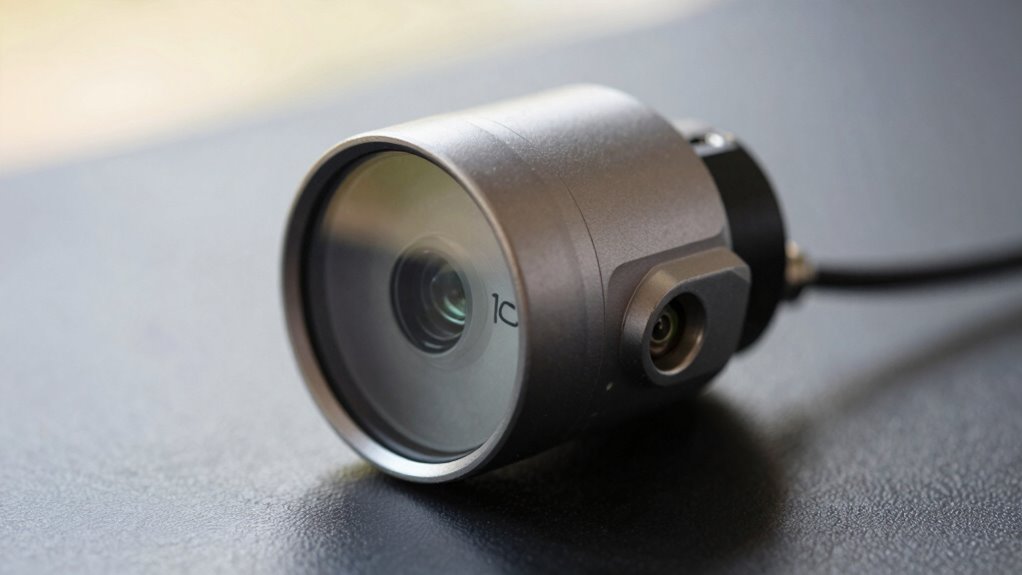
Understanding UV intensity sensors is fundamental because they play a critical role in monitoring ultraviolet radiation levels, which directly impact health and safety. When you rely on these sensors, you’re trusting that the data they provide is accurate and consistent. That’s where sensor calibration becomes indispensable. Proper calibration ensures that the sensor’s readings truly reflect the UV radiation present in the environment. Without it, you risk collecting misleading data, which could lead to underestimating or overestimating UV exposure. Accurate calibration maintains data integrity, so you can make informed decisions about safety measures or exposure times.
Proper calibration of UV sensors ensures accurate data for safe, informed health and safety decisions.
Data accuracy isn’t just a technical detail; it’s the foundation of confidence in UV monitoring systems. When sensors are correctly calibrated, you gain confidence that the measurements are reliable. This confidence is paramount whether you’re protecting outdoor workers, managing solar panel efficiency, or developing health advisories. When the sensor calibration process is properly maintained, it reinforces the reliability of the entire system. Recognizing that data accuracy is crucial can reinforce the need for consistent maintenance routines. Proper calibration and regular checks help ensure that the sensors continue to perform optimally over time. Additionally, implementing routine sensor maintenance is vital for sustaining precision and trustworthiness.
UV sensors are often viewed as a luxury by some, but in reality, they’re a necessity rooted in confidence. Without accurate measurements, you can’t be sure that the UV exposure is within safe limits. Think of it this way: if your UV sensor isn’t calibrated properly, you’re essentially flying blind. You might think you’re safe, but hidden dangers could be lurking. Guaranteeing calibration and verifying data accuracy isn’t just about technical precision; it’s about safeguarding health and making sure your responses are based on solid facts. A well-calibrated sensor provides peace of mind, knowing that your UV protection strategies are grounded in trustworthy data.
Ultimately, the value of UV intensity sensors lies in the confidence they provide. They’re not just tools for measurement; they’re essential components of safety protocols. By emphasizing sensor calibration and data accuracy, you guarantee that your UV monitoring efforts are effective and dependable. That confidence allows you to act decisively, protect yourself and others, and trust that your UV exposure management is based on the best possible information. In the end, it’s not about having the fanciest equipment—it’s about trusting the data it provides when it counts the most.
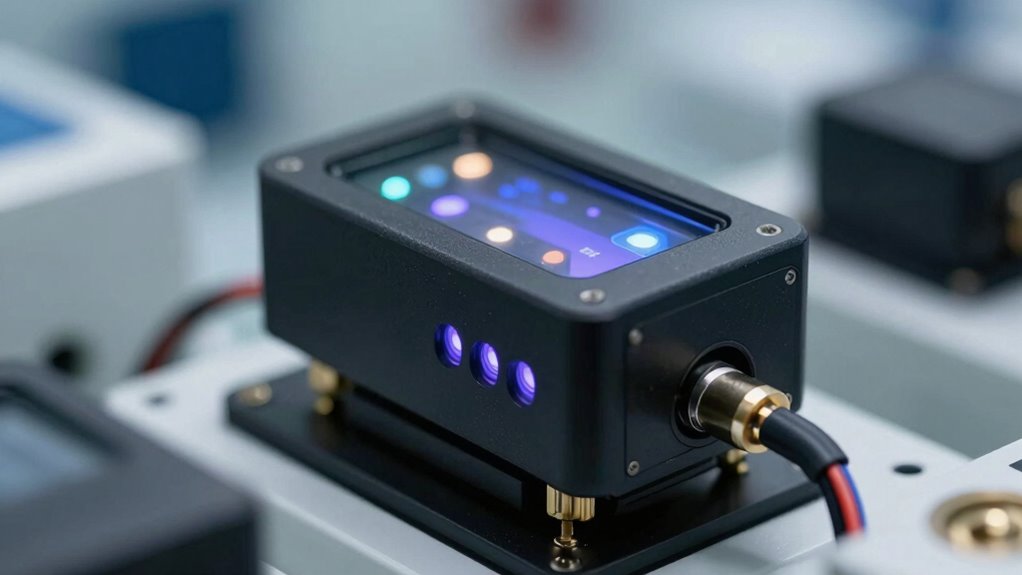
UV intensity sensor calibration kit
As an affiliate, we earn on qualifying purchases.
As an affiliate, we earn on qualifying purchases.
Frequently Asked Questions
How Do UV Sensors Impact Daily Safety Routines?
UV sensors substantially impact your daily safety routines by providing reliable UV safety monitoring. They help you detect UV intensity levels accurately, ensuring you’re protected during outdoor activities or work environments. With sensor reliability, you can trust the data to guide your decisions, like applying sunscreen or seeking shade. This proactive approach minimizes UV exposure risks, giving you confidence that your safety measures are effective and consistent every day.
Are UV Sensors Suitable for All Environmental Conditions?
Think of UV sensors as the Swiss Army knives of safety tools. They’re quite adaptable, handling various environmental conditions thanks to their environmental adaptability and sensor durability. You can trust them outdoors in sunny, humid, or even dusty settings. While extreme conditions might challenge some models, high-quality sensors are built to withstand the elements, giving you confidence that your UV measurements remain precise regardless of weather or environment.
What Maintenance Do UV Intensity Sensors Require?
You need to regularly perform sensor calibration to guarantee your UV intensity sensors provide accurate readings. Keep the sensors clean and free from dirt or debris, which can affect performance. To enhance longevity, consider installing protective covers and avoiding harsh environmental conditions. Schedule routine maintenance checks, and replace components as recommended by the manufacturer. These steps help maintain confidence in your sensors’ reliability, ensuring they serve you effectively over time.
Can UV Sensors Be Integrated With Existing Systems?
A chain is only as strong as its weakest link, and that rings true for integrating UV sensors with your existing systems. You can seamlessly connect UV sensors through sensor calibration and data integration, ensuring accurate readings and smooth operation. Most systems are compatible, and proper calibration makes integration straightforward. With the right setup, you’ll gain confidence in your UV data, turning complex tasks into simple, reliable processes.
How Quickly Do UV Sensors Provide Accurate Readings?
UV sensors typically deliver accurate readings within seconds once calibrated properly. Their calibration frequency depends on usage and environmental conditions, but regular checks guarantee precision. Sensor durability is key; high-quality sensors withstand harsh environments, maintaining accuracy over time. By maintaining proper calibration and choosing durable sensors, you can trust your UV readings to be reliable quickly, giving you confidence in monitoring UV exposure effectively.
UV radiation monitor with calibration
As an affiliate, we earn on qualifying purchases.
As an affiliate, we earn on qualifying purchases.
Conclusion
Just like a lighthouse guides ships safely through storms, UV intensity sensors build your confidence in protecting yourself from harmful rays. They aren’t just luxury gadgets — they’re your silent guardians, ensuring you’re never in the dark about UV exposure. When you trust these sensors, you’re steering your health with clarity and assurance, turning uncertainty into a clear path forward. In the end, confidence isn’t a luxury; it’s the beacon that keeps you safe.
professional UV sensor for outdoor safety
As an affiliate, we earn on qualifying purchases.
As an affiliate, we earn on qualifying purchases.
As an affiliate, we earn on qualifying purchases.
NFL season / tailgating Picks
team gear
As an affiliate, we earn on qualifying purchases.