
TL;DR

Get home appliances delivered free — and shop member deals
- Fast, free delivery on millions of items
- Access to Prime Big Deal Days deals on October 6–7
- Prime Video, Amazon Music and more included
The Federal Communications Commission (FCC) has implemented a ban on importing and selling robots manufactured outside the U.S., affecting devices like robo vacuums. This development could reshape the market and supply chains for smart home devices.
The FCC has announced a ban on the import and sale of foreign-made robots, including popular consumer devices like robo vacuums, effective immediately. This move aims to address security concerns and ensure compliance with U.S. standards, impacting manufacturers and consumers alike.
The Federal Communications Commission (FCC) issued a regulation that prohibits the import, sale, and distribution of robots manufactured outside the United States. The ban specifically targets devices that rely on radio frequency communication, such as many robo vacuums, citing national security and consumer safety issues, according to FCC officials.
Manufacturers that currently sell foreign-made robots in the U.S. market will need to comply with new certification requirements or face penalties, including fines and import restrictions. The FCC has not specified a grace period but indicated that enforcement will begin immediately.
Industry analysts suggest this regulation could significantly disrupt the supply chains for popular smart home devices, potentially leading to shortages or increased prices for consumers. Some companies have expressed concern about the impact on innovation and market competition.
Implications for Consumers and Market Dynamics
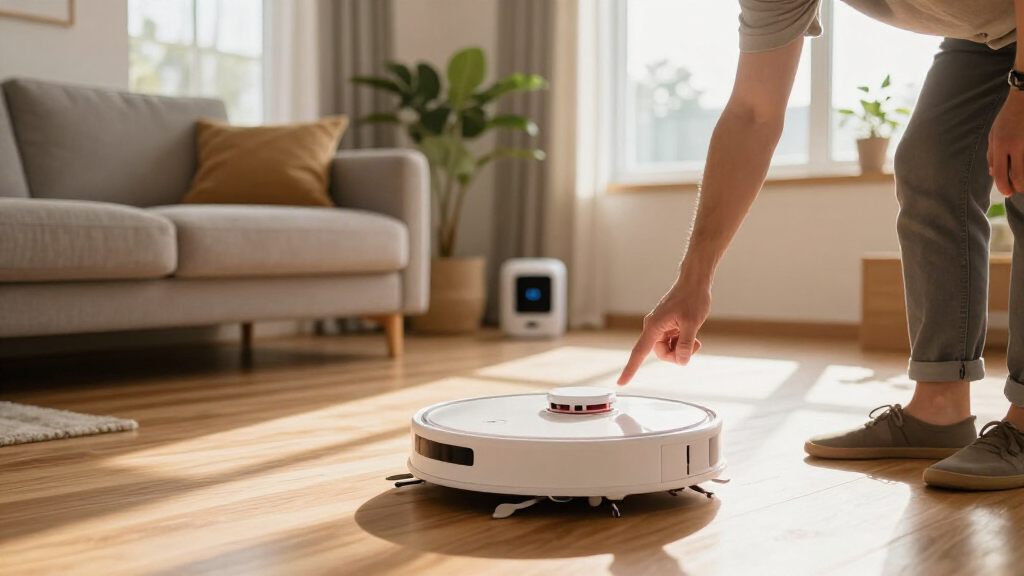
This ban could lead to a shift in the market for smart home devices, especially robo vacuums, which are among the most popular consumer robots. Consumers might face fewer options or higher prices as manufacturers scramble to source compliant components or shift production.
For U.S.-based manufacturers, the regulation may provide an advantage, but it could also increase costs and limit access to innovative foreign technology. The move underscores ongoing concerns about security risks associated with foreign technology imports.
As an affiliate, we earn on qualifying purchases.
Background on FCC Regulations and Foreign Tech Imports
The FCC has previously implemented regulations aimed at securing communication devices and preventing potential security vulnerabilities from foreign technology. This latest ban on foreign-made robots builds on those efforts, reflecting a broader push to scrutinize imported consumer electronics.
Historically, many robo vacuums and smart home devices are manufactured in countries like China and South Korea, with exports to the U.S. accounting for a significant share of the market. The new regulation could alter supply chains that have been in place for years.
“This regulation is a necessary step to protect national security and ensure that consumer devices meet strict U.S. standards.”
— FCC spokesperson
As an affiliate, we earn on qualifying purchases.
Unclear Details on Enforcement and Exceptions
It is not yet clear how strictly the FCC will enforce the ban or whether there will be exemptions for certain types of robots or manufacturers. Details about transitional provisions or support for existing inventory are still pending.
Additionally, some industry experts question whether the regulation will be challenged legally or if foreign manufacturers will seek alternative routes to market.
As an affiliate, we earn on qualifying purchases.
Next Steps for Manufacturers and Consumers
Manufacturers will need to verify compliance with FCC standards and may need to redesign or source domestically-produced components. The FCC has indicated that enforcement will intensify over the coming months, and legal challenges could emerge.
Consumers may experience shortages or higher prices for popular robo vacuums and related devices as supply chains adjust. Industry groups are calling for clarity on implementation timelines and potential exemptions.
robot vacuum with FCC certification
As an affiliate, we earn on qualifying purchases.
As an affiliate, we earn on qualifying purchases.
Key Questions
Which devices are affected by the FCC ban?
The regulation targets robots that rely on radio frequency communication, including most robo vacuums and smart home robots manufactured outside the U.S.
Will existing foreign-made robots be banned from use?
The ban applies mainly to importation and sale. It is unclear whether existing devices can continue to be used or if owners will face restrictions.
Could this regulation be challenged legally?
Legal challenges are possible, as industry groups or foreign manufacturers may dispute the FCC’s authority or the regulation’s scope.
How might this impact prices and availability?
The regulation could reduce supply and increase costs, leading to fewer options and higher prices for consumers in the short term.
What should manufacturers do next?
Manufacturers should review FCC compliance requirements, consider redesigning products with domestic components, and prepare for stricter enforcement.
Source: rss
NFL season / tailgating Picks
team gear
As an affiliate, we earn on qualifying purchases.