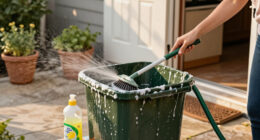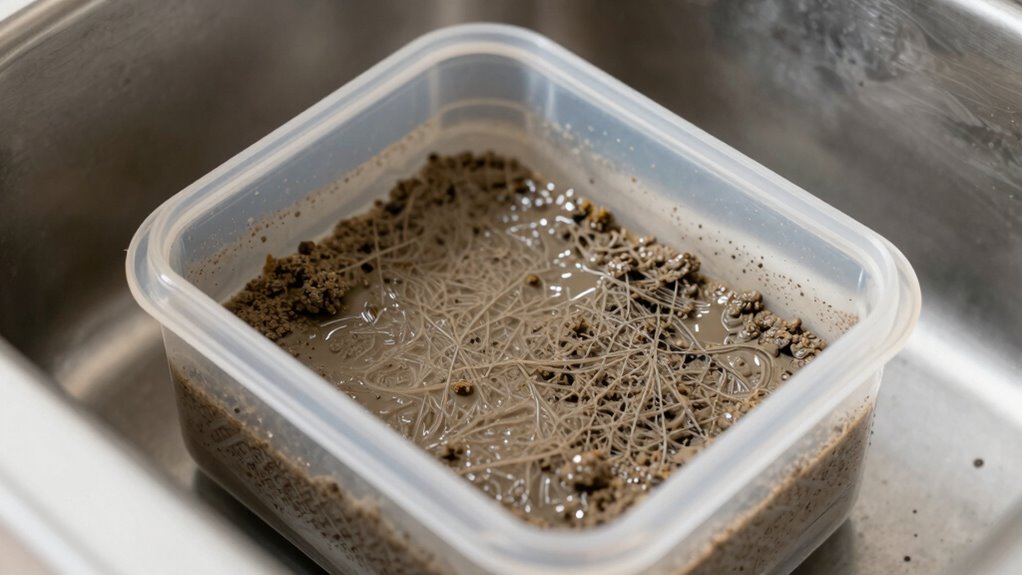

Sediment from poor water quality can silently damage your appliances by causing parts to work harder and wear out faster. Over time, buildup reduces efficiency and increases the risk of costly repairs or replacements. Installing filters and managing water quality can help prevent this damage. Recognizing early signs and maintaining your appliances regularly can extend their lifespan. Keep exploring to discover how you can protect your appliances from hidden sediment issues and save money in the long run.

Get home appliances delivered free with Prime
- Fast, free delivery on millions of items
- Prime Video, Amazon Music and more included
- Member-only deals all year
Key Takeaways
- Sediment buildup inside appliances causes parts to work harder, accelerating wear and reducing lifespan.
- Mineral deposits from sediment decrease appliance efficiency and increase the risk of costly repairs.
- Regular water testing and filtration help prevent sediment accumulation, protecting appliance longevity.
- Flushing water heaters and cleaning filters remove existing sediment, maintaining optimal performance.
- Early signs of sediment issues, like performance decline, should prompt immediate maintenance to extend appliance life.
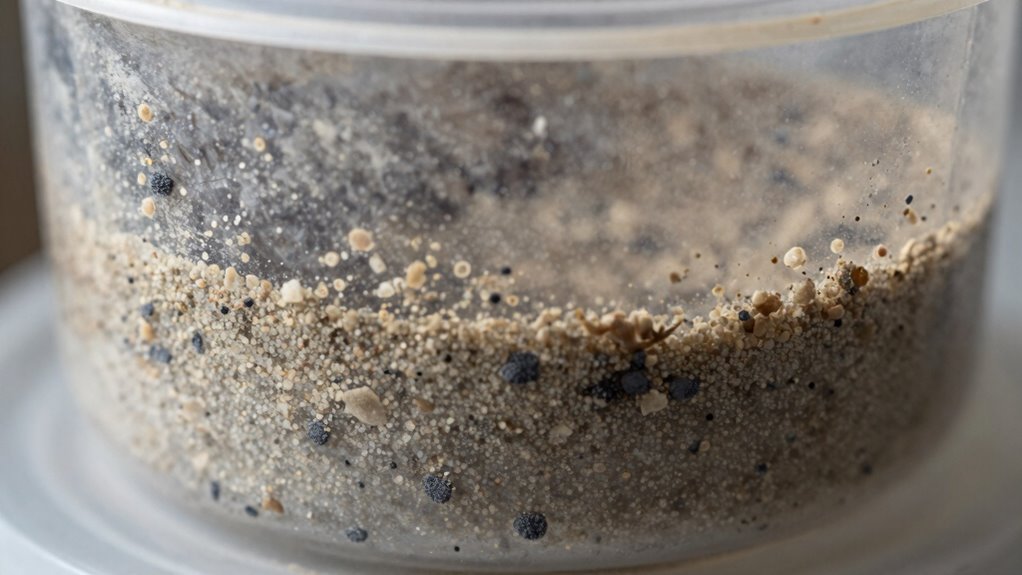
Many homeowners overlook the impact that sediment buildup can have on their appliances, but this hidden factor can substantially shorten their lifespan. Sediment, often stemming from poor water quality, accumulates gradually inside appliances like water heaters, dishwashers, and washing machines. Over time, this buildup can cause parts to work harder, leading to increased wear and tear. You might not notice the immediate effects, but the long-term consequences are clear: reduced efficiency and a higher likelihood of costly repairs or replacements. That’s why understanding how sediment influences your appliances is essential to keeping them running smoothly. Regularly testing your water quality and installing appropriate filtration systems can significantly reduce mineral deposits, which is crucial since water quality plays a significant role in sediment accumulation. Maintenance routines are your best defense against sediment-related issues. Regularly flushing water heaters, cleaning out filters, and inspecting hoses can help prevent sediment from settling and causing harm. Many appliances have built-in maintenance schedules, but it’s important to follow through with these tasks consistently. For example, flushing a water heater annually removes accumulated sediment from the tank, ensuring it heats efficiently and reduces strain on the unit. Similarly, cleaning filters in dishwashers and washing machines prevents blockages and keeps these appliances operating at peak performance. Incorporating these routines into your regular maintenance schedule doesn’t require much effort but can save you significant money and inconvenience down the line. Additionally, understanding the impact of sediment on appliances can motivate proactive maintenance before issues develop. Proper management of water hardness is also key in reducing sediment buildup, as hard water contains high mineral levels that contribute to deposits. Using water softeners or other sediment reduction methods can further decrease mineral deposits and extend appliance life. You should also be mindful of how your water usage habits influence sediment buildup. Using less aggressive water settings or opting for soft water can decrease mineral deposits. If you notice your appliances aren’t performing as well as they used to, it’s a sign that sediment might be building up. Addressing the issue early with proper maintenance routines and water quality improvements can help prolong the life of your appliances. Recognizing the importance of preventive maintenance can save you time and money over the long term. Ultimately, understanding the relationship between water quality, sediment buildup, and appliance maintenance empowers you to take proactive steps. By doing so, you can avoid premature replacements, reduce repair costs, and keep your household running smoothly for years to come.
As an affiliate, we earn on qualifying purchases.
Frequently Asked Questions
How Does Sediment Affect the Efficiency of Household Appliances?
Sediment can clog filters, damage components, and reduce your appliances’ efficiency. Water filtration systems help remove sediment, preventing buildup inside water-using appliances like dishwashers and washing machines. By investing in sediment prevention measures, you keep debris out of your appliances, ensuring they run smoothly and last longer. Regularly maintaining filters and filters can considerably improve appliance efficiency and save you money on repairs and replacements.
What Are the Signs of Sediment Buildup in Appliances?
Have you noticed your appliances acting up? Signs of sediment buildup include strange noises, slower performance, or recurring clogs. You might see mineral deposits around fixtures or inside the appliance. To prevent damage, prioritize sediment removal and maintain water filtration systems regularly. These steps help keep your appliances running smoothly and extend their lifespan, ensuring you don’t face costly repairs or replacements down the line.
Can Sediment Cause Appliances to Break Down Unexpectedly?
Yes, sediment can cause appliances to break down unexpectedly. When sediment isn’t properly filtered out, it accumulates in your appliance’s components, leading to blockages and wear. Sediment filtration improves water purity, helping your appliances run smoothly and last longer. Neglecting this can cause unexpected breakdowns, costly repairs, and reduced efficiency. Regular maintenance and effective sediment filtration are key to protecting your appliances and ensuring consistent water quality.
How Often Should Appliances Be Serviced for Sediment Issues?
Think of your appliances as delicate dancers on a stage; sediment is the unwelcome audience that disrupts their performance. You should schedule water filtration and sediment prevention checks every 6 to 12 months to keep appliances running smoothly. Regular servicing clears away sediment buildup, preventing unexpected breakdowns. Stay vigilant, and your appliances will glide through their routines, performing flawlessly and lasting longer, thanks to proactive sediment management.
Are Certain Appliances More Vulnerable to Sediment Damage Than Others?
Yes, some appliances are more vulnerable to sediment damage, especially those with delicate components like dishwashers, washing machines, and water heaters. Sediment filtration is essential for protecting appliance durability, as it prevents particles from clogging or damaging internal parts. Regular maintenance and installing effective sediment filters can extend the lifespan of these appliances, ensuring they operate efficiently and reducing costly repairs caused by sediment buildup.
appliance water filtration system
As an affiliate, we earn on qualifying purchases.
As an affiliate, we earn on qualifying purchases.
Conclusion
If you ignore sediment buildup, you’re fundamentally inviting a silent assassin into your home, ready to sabotage your appliances at any moment. Think of sediment as tiny, relentless invaders slowly chipping away at your appliances’ lifespan—turning your dream machines into junk faster than you can say “replacement.” Stay vigilant, clean regularly, and give your appliances the shield they need. Otherwise, you might just find yourself stranded with expensive repairs, battling a sediment monster you never saw coming!
As an affiliate, we earn on qualifying purchases.
sediment removal from washing machine
As an affiliate, we earn on qualifying purchases.
As an affiliate, we earn on qualifying purchases.
Fall yard work Picks
leaf blowers
As an affiliate, we earn on qualifying purchases.