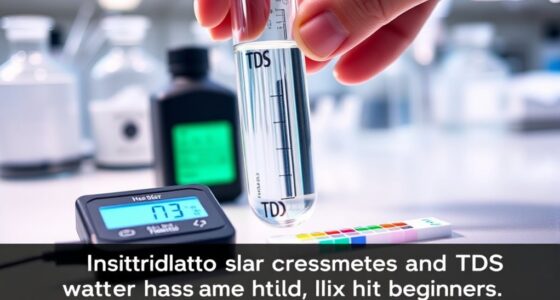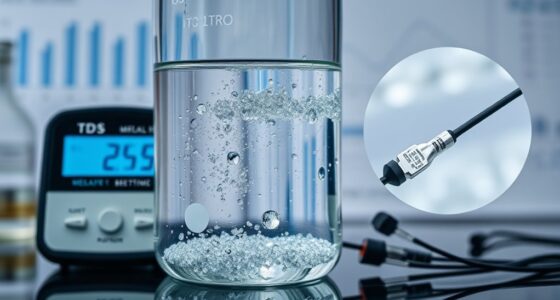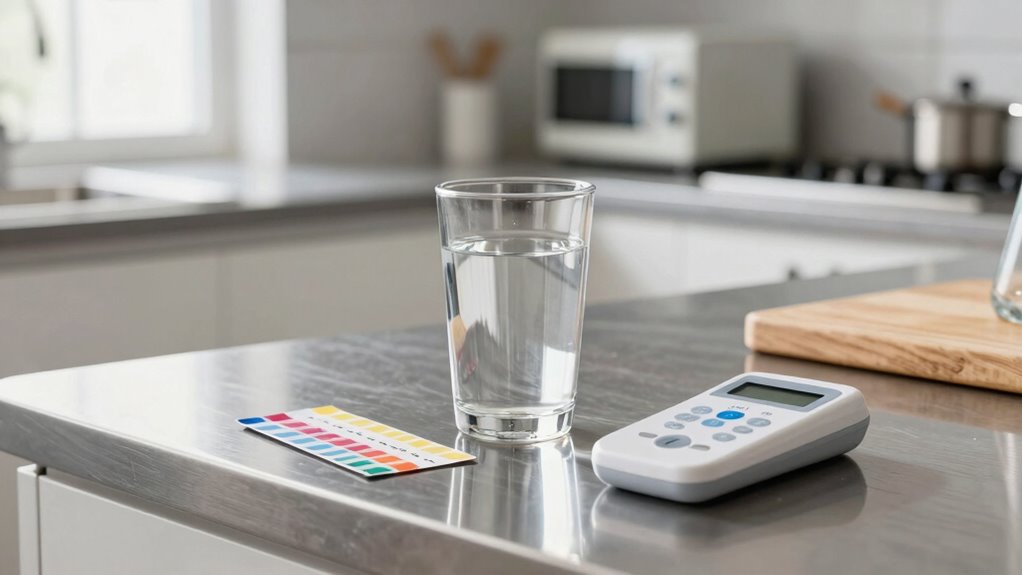

To judge low-sodium water treatment options, you should consider how each system impacts mineral levels, especially sodium, and whether it meets your health needs. Look at costs, including upfront expenses and ongoing maintenance, to find a budget-friendly choice. Also, check your water source and household consumption to select an appropriate system. By understanding the features and safety standards of various technologies, you can make a confident decision—keep going to discover more helpful tips.

Get home appliances delivered free with Prime
- Fast, free delivery on millions of items
- Prime Video, Amazon Music and more included
- Member-only deals all year
Key Takeaways
- Evaluate how each treatment impacts sodium and essential mineral levels to ensure they meet dietary health needs.
- Compare initial costs, ongoing expenses, and maintenance requirements of different water treatment systems.
- Consider your household’s water source quality and sodium levels to select the most appropriate treatment method.
- Verify certifications and safety standards to ensure the system effectively reduces sodium without harmful side effects.
- Balance health benefits with budget constraints to choose an effective, affordable low-sodium water treatment option.
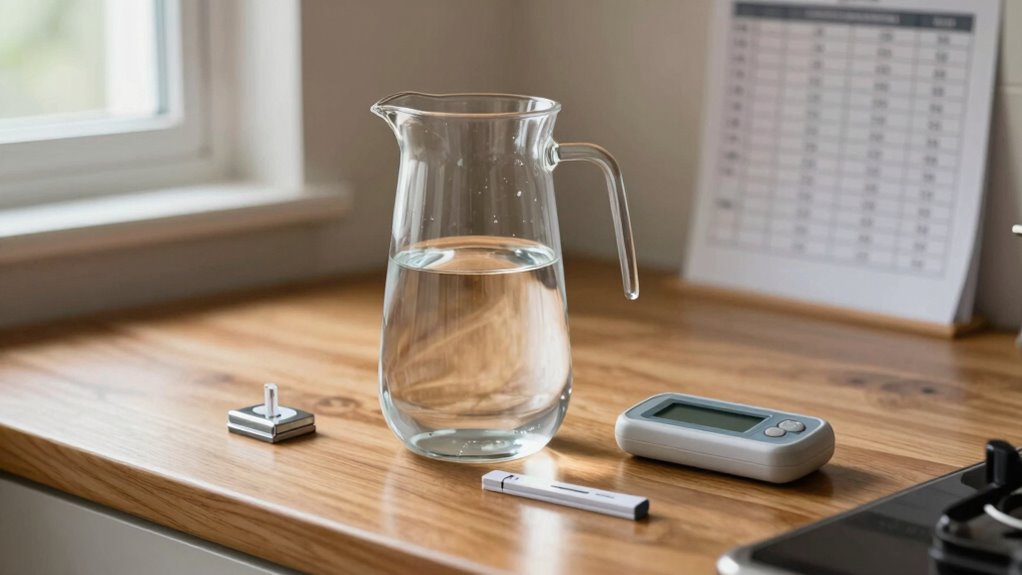
Choosing the right low-sodium water treatment method can substantially impact your health and water quality, but with so many options available, it’s easy to feel overwhelmed. When evaluating these systems, your first consideration should be health implications. You need to understand how each treatment affects mineral levels, especially sodium. Some methods might remove contaminants effectively but can also strip essential minerals or introduce new concerns, such as increased sodium content. For example, ion exchange systems often replace sodium ions with other minerals, which might not be ideal if you’re on a sodium-restricted diet. Conversely, reverse osmosis units can significantly reduce sodium but may also remove beneficial minerals, potentially affecting taste and nutritional value. Being aware of these health implications helps you choose a system that balances purification with your dietary needs. Additionally, understanding the specific water treatment technologies available can help you make a more informed decision tailored to your household’s needs.
Cost analysis is another critical factor. Low-sodium water treatment options vary widely in initial investment and ongoing maintenance costs. Reverse osmosis systems tend to have higher upfront prices, often requiring professional installation, but they offer thorough purification. On the other hand, simpler filtration units might be more affordable initially but could require frequent filter replacements, adding to your expenses over time. You should also consider the costs associated with water waste, energy consumption, and replacement parts. Some systems, while cheaper upfront, might be less efficient or require more frequent maintenance, making them more costly long-term. Comparing these costs helps you determine which system fits your budget without sacrificing water quality or health.
Furthermore, it’s essential to consider the water source and your specific needs. If your tap water contains high levels of sodium or other contaminants, you’ll need a more advanced system. If your water is relatively clean but just needs lower sodium levels, a simpler, more affordable option might suffice. Think about your household’s water consumption habits and whether a system can meet your needs without excessive maintenance or cost. Also, check for certifications, such as NSF or ANSI standards, to ensure the system performs as advertised and is safe for your household.
In essence, the right low-sodium water treatment choice hinges on a careful evaluation of health implications and cost. This approach allows you to select a system that not only effectively reduces sodium but also aligns with your financial and health priorities. By thoroughly researching and comparing options, you can make an informed decision that ensures safe, clean, and affordable water for you and your family.
low sodium reverse osmosis water filter
As an affiliate, we earn on qualifying purchases.
As an affiliate, we earn on qualifying purchases.
Frequently Asked Questions
How Does Low-Sodium Water Affect Individuals With Hypertension?
Low-sodium water can help you manage blood pressure better if you have hypertension. By reducing your sodium intake, it lessens the strain on your cardiovascular system, making it easier to control your blood pressure. Drinking low-sodium water supports your efforts to keep sodium levels in check, which is essential for maintaining healthy blood pressure. Incorporating it into your daily routine can be a simple yet effective way to improve your overall heart health.
Are There Environmental Impacts of Low-Sodium Water Treatment Methods?
You might wonder if low-sodium water treatment methods impact the environment. These methods can have a notable environmental footprint, especially if they require energy-intensive processes or produce waste. While they aim to preserve ecological balance by reducing sodium levels, improper disposal of byproducts could harm local ecosystems. It’s essential to take into account sustainable practices to minimize environmental impacts and maintain ecological health while providing safe, low-sodium water.
What Are the Long-Term Health Effects of Consuming Low-Sodium Water?
Consuming low-sodium water can affect your long-term health by altering taste preferences and mineral balance. You might find the water less flavorful, which could lead to dehydration if you drink less overall. Additionally, low sodium levels may impact your electrolyte balance, potentially causing muscle weakness or fatigue. It’s important to monitor these effects, especially if your water source is consistently low in sodium, to maintain ideal health.
How Do Costs Compare Between Different Low-Sodium Water Treatment Options?
You’ll find that cost comparison varies across low-sodium water treatment options. Reverse osmosis systems tend to be more expensive upfront but offer better long-term treatment affordability through efficient filtration. Conversely, ion exchange systems often cost less initially but may incur higher maintenance expenses. Consider your budget and water quality needs carefully, balancing initial costs with ongoing expenses to choose the most cost-effective treatment method for your situation.
Can Low-Sodium Water Treatment Remove All Harmful Contaminants?
Low-sodium water treatment can’t magically remove every harmful contaminant out there. While it’s highly effective at reducing specific substances like sodium and certain chemicals, it’s no superhero that clears all contaminants. Treatment effectiveness varies, and some pollutants—like viruses or heavy metals—may slip through. So, if you want truly thorough purification, you might need additional or advanced treatment methods alongside low-sodium options.
ion exchange water softener for sodium reduction
As an affiliate, we earn on qualifying purchases.
As an affiliate, we earn on qualifying purchases.
Conclusion
As you walk past the local market, you notice a small bottle labeled “low-sodium water,” sitting beside a fresh fruit stand. It’s a quiet reminder that making the right water treatment choice isn’t just about numbers—it’s about trusting what feels right for your health. Sometimes, the best decisions come when you’re least expecting them, like spotting that tiny bottle amid the busy crowd. Trust your instincts, and choose wisely—your well-being might just be waiting in the most unexpected place.
household water filtration system NSF certified
As an affiliate, we earn on qualifying purchases.
As an affiliate, we earn on qualifying purchases.
affordable low sodium water purifier
As an affiliate, we earn on qualifying purchases.
As an affiliate, we earn on qualifying purchases.
Cold & flu season Picks
humidifiers
As an affiliate, we earn on qualifying purchases.