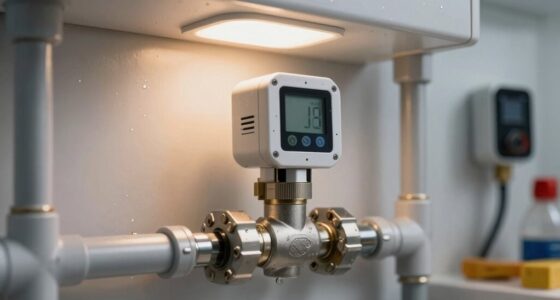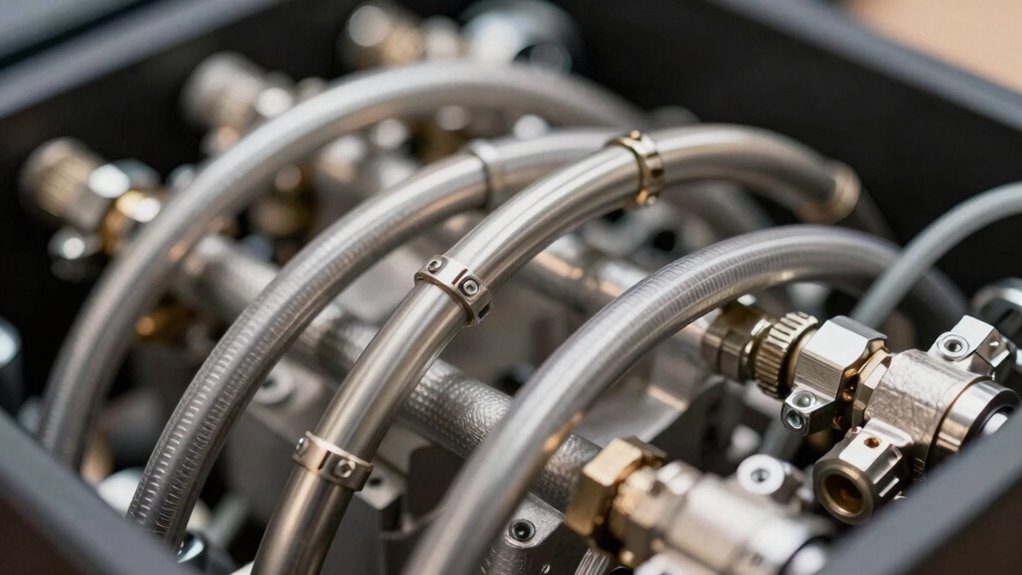

Air injection systems can seem complicated because they make different sounds during operation, but once you understand the basics, it’s easier to identify issues. Normal sounds like a gentle whistle or hissing are normal, while louder or irregular noises may signal problems like leaks or a worn pump. By familiarizing yourself with how the system works and its common noises, you’ll spot early signs of trouble. Keep exploring to uncover how these sounds can tell you more about your vehicle’s health.

Get home appliances delivered free — and shop member deals
- Fast, free delivery on millions of items
- Access to Prime Big Deal Days deals on October 6–7
- Prime Video, Amazon Music and more included
Key Takeaways
- Normal air injection sounds are subtle, such as faint hissing or whistling, which can seem complex until understood.
- Loud or unusual noises often indicate specific issues like leaks or a failing pump, simplifying diagnosis.
- Breaking down system components (pump, hoses, valves) clarifies which sounds are normal versus problematic.
- Understanding the purpose of each part helps distinguish complex noise patterns from normal operation.
- Regular inspection and maintenance make it easier to identify and fix complex-sounding issues early.
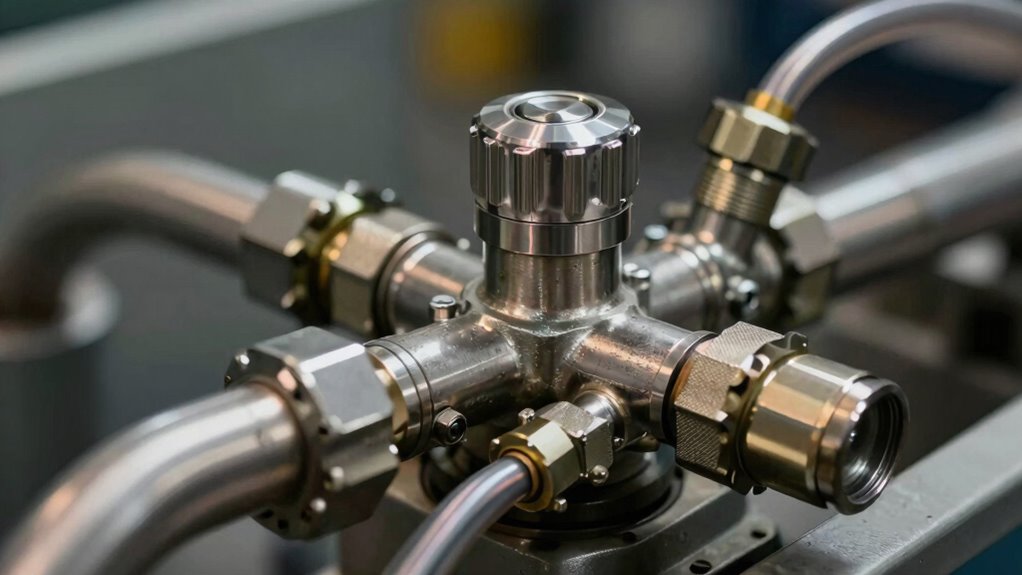
Air injection systems can produce a complex array of sounds that might initially seem confusing or concerning. When your vehicle’s engine runs, the air injection system kicks in to help reduce emissions and keep your exhaust clean. It does this by pumping fresh air into the exhaust stream, especially during cold starts, to help burn off excess hydrocarbons and carbon monoxide. The sounds you hear—sometimes a hissing, a whistling, or a faint clicking—are often just the system operating as designed, but they can also signal underlying issues if they become loud or irregular.
Understanding how the system works can demystify these noises. The air pump, which is powered by a belt connected to the engine, forces air through hoses and into the catalytic converter. This process boosts the converter’s ability to perform emission control by ensuring that unburned fuel gases are burned off more completely. When functioning properly, the air injection system’s sounds are subtle and steady, acting as a background hum or gentle whistling that you might not notice unless you pay close attention.
A properly functioning air injection system produces subtle, steady sounds like a gentle hum or whistling, indicating normal operation.
However, if these sounds grow louder or more erratic, it could indicate a problem. A failing air pump might produce grinding or screeching noises, often caused by a seized or worn-out motor. Leaks in the hoses or cracks in the check valves can also lead to hissing sounds, signaling that air isn’t flowing smoothly. These issues can compromise the system’s ability to perform emission control efficiently, leading to higher emissions and potential failure of emissions tests. Recognizing air injection system operation can help you better diagnose and address potential issues early on.
It’s vital to keep in mind that the noises from your air injection system aren’t just about sound; they’re often clues to how well your vehicle is managing pollutants. A properly functioning system supports the catalytic converter in reducing harmful gases, which is not only good for the environment but also for your vehicle’s health. When you notice unusual noises or a sudden change in the sound pattern, it’s a good idea to have the system inspected. Sometimes, what seems like a minor noise is a sign of a more significant problem that could eventually lead to engine performance issues or increased emissions. Regular maintenance and understanding system operation can help prevent costly repairs in the future. Additionally, keeping the hoses, check valves, and the air pump itself in good condition is crucial for maintaining the system’s effectiveness. Ensuring all components are intact and functioning properly is essential for preserving the system’s performance over time.
air injection system diagnostic tool
As an affiliate, we earn on qualifying purchases.
As an affiliate, we earn on qualifying purchases.
Frequently Asked Questions
How Often Should I Inspect My Air Injection System?
You should inspect your air injection system during regular maintenance routines, ideally every 12,000 to 15,000 miles or once a year. This includes performing diagnostic procedures to check for leaks, faulty valves, or clogged components. Regular inspections help prevent costly repairs and guarantee your vehicle runs smoothly. If you notice unusual exhaust sounds or warning lights, get your system checked sooner to address potential issues promptly.
Can a Faulty System Affect My Vehicle’s Fuel Efficiency?
A faulty air injection system can subtly impact your vehicle’s fuel efficiency. It plays a key role in emission control, ensuring your engine runs smoothly and cleanly. When it malfunctions, your engine may work harder, consuming more fuel and reducing overall engine performance. Staying attentive to signs of trouble helps maintain peak efficiency and emissions standards, preventing small issues from turning into costly repairs or decreased fuel economy down the line.
Are Air Injection Systems Standard on All Cars?
No, air injection systems aren’t standard on all cars. Many newer vehicles include them as part of their emission control systems to reduce air pollution and meet regulations. These systems help burn excess hydrocarbons during cold starts, improving emissions. If your car doesn’t have one, it likely relies on other emission control measures. Understanding whether your vehicle has an air injection system can help you maintain peak performance and compliance with environmental standards.
What Are Common Signs of Air Injection System Failure?
Common signs of air injection system failure include a check engine light, increased emissions, and rough engine idle. You might also notice strange noises or a decrease in fuel efficiency. To catch these issues early, perform regular air injection maintenance and system diagnostic tests. Addressing these signs promptly helps prevent costly repairs and keeps your vehicle running smoothly, ensuring your emissions stay compliant and your engine stays healthy.
How Much Does It Cost to Repair or Replace an Air Injection System?
Think of repairing your air injection system as untangling a complex web—it varies in cost. Typically, you’ll spend $200 to $600 for repairs or replacement, depending on the extent of air injection maintenance needed. System troubleshooting helps identify issues, but keep in mind, labor costs can add up. Getting a precise quote from a mechanic will guarantee you’re not caught off guard when the bill arrives.
As an affiliate, we earn on qualifying purchases.
Conclusion
Once you understand how air injection systems work, they no longer seem so complex. You see the components, hear the sounds, and grasp the purpose. You realize it’s about helping your engine breathe easier, reducing emissions, and keeping your car running smoothly. With a little knowledge, you can troubleshoot problems, maintain your system, and feel confident on the road. It’s all about understanding, simplifying, and taking control—making a complicated system simple, clear, and manageable.
vehicle emission system check valve
As an affiliate, we earn on qualifying purchases.
As an affiliate, we earn on qualifying purchases.
car hoses and check valves for air injection
As an affiliate, we earn on qualifying purchases.
As an affiliate, we earn on qualifying purchases.
NFL season / tailgating Picks
team gear
As an affiliate, we earn on qualifying purchases.