Hardness numbers are standardized scores that measure how resistant a material is to scratching, denting, and deformation. They come from testing methods like Brinell, Rockwell, and Vickers, which apply specific forces and measure the material’s response. These numbers allow you to compare materials consistently across industries and applications. Understanding what they mean helps you choose the right material for your needs and guarantees quality. Keep exploring to open more details about how these numbers truly work.

Get home appliances delivered free — and shop member deals
- Fast, free delivery on millions of items
- Access to Prime Big Deal Days deals on October 6–7
- Prime Video, Amazon Music and more included
Key Takeaways
- Hardness numbers quantify material resistance to deformation, enabling standardized comparisons across different materials and testing methods.
- Conversion between hardness scales (e.g., HRC to HV) allows consistent interpretation of material properties across industries.
- Understanding hardness numbers helps in selecting appropriate materials for specific applications based on their durability metrics.
- Hardness testing methods follow standardized procedures (ASTM, ISO) ensuring reliable and comparable results.
- Accurate conversions and interpretations of hardness numbers unlock insights into material performance and quality control.
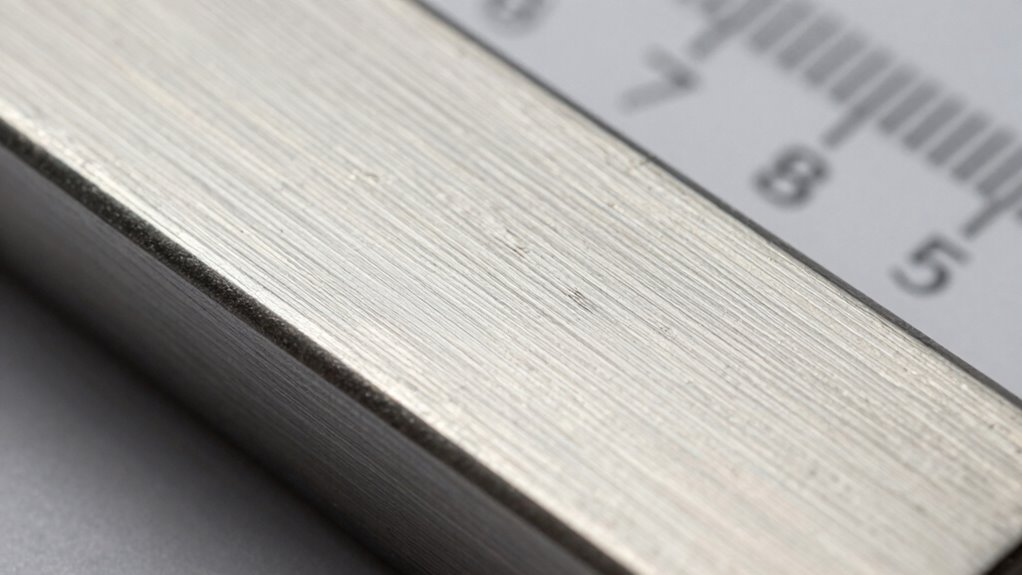
Hardness numbers are a straightforward way to measure how resistant a material is to scratching or denting. When you need to assess a material’s durability, understanding the testing methods and how they align with industrial standards becomes essential. Different testing methods, such as the Brinell, Rockwell, Vickers, or Knoop tests, are designed to evaluate hardness through specific procedures, each suitable for particular materials and applications. These methods involve pressing an indenter into the material’s surface with a standardized force and then measuring the resulting impression or the force required to cause deformation.
Hardness testing methods provide consistent, reliable measurements crucial for assessing material durability and quality.
By following established industrial standards, you guarantee that the hardness measurements are consistent, reliable, and comparable across different tests and materials. Standards like ASTM (American Society for Testing and Materials) or ISO (International Organization for Standardization) specify the precise procedures, dimensions, and forces to be used for each testing method. When you adhere to these standards, you can confidently interpret the hardness numbers, knowing they are based on scientifically validated procedures. This consistency allows you to compare materials accurately, whether you’re selecting a metal for a specific application or verifying the quality of a batch in manufacturing.
Knowing which testing method to use depends on the material’s properties and the context of the application. For example, the Rockwell test is quick and suitable for metals in production environments, while the Vickers test offers more precision for very thin materials or coatings. Each method produces a hardness number—like HRC or HV—that quantifies resistance to deformation. These numbers serve as a universal language, translating complex material behavior into a simple, comparable value.
When you understand the various testing methods and how they align with industry standards, you gain the ability to interpret hardness numbers accurately. This knowledge helps you make informed decisions, whether it’s choosing the right material for a high-stress environment or verifying quality control during manufacturing. It also allows you to communicate results clearly with engineers, suppliers, and clients, bridging the gap between technical data and practical application. Ultimately, mastering the testing methods and standards behind hardness measurements reveals a deeper understanding of material performance, empowering you to select and evaluate materials with confidence and precision. Additionally, staying informed about testing standards ensures your measurements are up-to-date and comply with industry best practices.
As an affiliate, we earn on qualifying purchases.
Frequently Asked Questions
How Do I Measure Hardness in Different Materials Accurately?
You measure hardness in different materials accurately by performing proper material testing and choosing the right calibration methods. Use standardized testing techniques like the Brinell, Rockwell, or Vickers tests, and verify your equipment is calibrated regularly for precise results. Always follow manufacturer instructions and maintain consistent testing conditions. This approach helps you get reliable hardness measurements across various materials, making your assessments accurate and trustworthy.
What Industries Rely Most on Hardness Number Conversions?
Imagine you’re in the automotive industry, guaranteeing engine components meet strict quality control standards. Industries like metallurgy rely heavily on hardness number conversions to assess material strength and durability during production processes. These conversions help maintain consistency across manufacturing and ensure parts perform reliably. You use hardness testing to verify compliance, which is essential for quality control standards—making sure every component withstands wear and tear in real-world conditions.
Can Hardness Numbers Predict Material Lifespan?
Hardness numbers can help predict material lifespan by indicating resistance to surface wear and material fatigue. When a material has a high hardness number, it generally endures longer under repeated stress, reducing surface wear and delaying fatigue failure. However, they’re not foolproof; other factors like environment and usage affect lifespan. Use hardness data alongside real-world testing for the most accurate prediction of how long your material will last.
Are There Digital Tools for Quick Hardness Conversions?
Yes, there are digital tools designed for quick conversions of hardness numbers. You can easily find apps and online calculators that instantly convert between various hardness scales, saving you time and reducing errors. These digital tools are user-friendly, making it simple for you to get accurate results on the spot, whether you’re in a lab or on the field. With them, quick conversions become seamless and efficient.
How Do Temperature and Environment Affect Hardness Readings?
Think of measuring hardness like a delicate dance, sensitive to thermal effects and environmental influences. Temperature variations can cause materials to expand or contract, affecting hardness readings. Environmental factors like humidity, dirt, or corrosion also skew results, just as a foggy day distorts a clear view. To get accurate results, control these variables as much as possible, ensuring your measurements reflect true material properties rather than external influences.
As an affiliate, we earn on qualifying purchases.
Conclusion
Now that you understand hardness numbers and their conversions, you’re practically a secret weapon in choosing the right materials. Imagine having the power to access any challenge with confidence—hardness numbers become your ultimate key. Don’t let confusion hold you back; mastering these conversions is like wielding a superpower in the world of materials. So go ahead, use this knowledge to conquer any project or problem—you’re now unstoppable!
As an affiliate, we earn on qualifying purchases.
As an affiliate, we earn on qualifying purchases.
Fall Picks
fall essentials
As an affiliate, we earn on qualifying purchases.