If you notice low water pressure after installing new fixtures, start by checking if the issue affects all your faucets or just one, and verify the main water valve is fully open. Next, inspect the pressure regulator and clean any clogged aerators or filters. Run all faucets to purge trapped air and look for leaks. If pressure remains low, consider system adjustments or contact a professional—there’s more to explore if you want a full fix.

Get home appliances delivered free — and shop member deals
- Fast, free delivery on millions of items
- Access to Prime Big Deal Days deals on October 6–7
- Prime Video, Amazon Music and more included
Key Takeaways
- Check if the low pressure affects all fixtures or just one, and fully open the affected faucet to test flow.
- Ensure the main water supply valve is fully open and not partially closed during installation.
- Inspect and adjust the pressure regulator to confirm it’s set correctly and functioning properly.
- Run all faucets for several minutes to purge trapped air and look for leaks or loose fittings.
- Consider system dynamics, such as pressure balance or blockages, and consult a professional if issues persist.
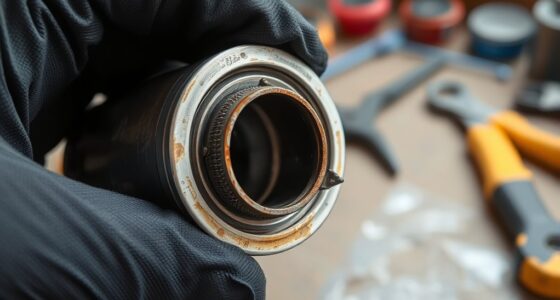
After installing a new plumbing system or appliance, low water pressure can be frustrating and confusing. You might wonder whether something went wrong during the installation or if there’s an underlying issue causing pressure loss. Before calling a professional, it’s helpful to run through some troubleshooting steps to identify the problem. Start by checking if the low pressure affects all faucets and fixtures or just one. If it’s isolated, the issue might be with that specific fixture rather than the entire system. Turn on the affected faucet fully and see if the pressure improves or remains weak. Sometimes, aerators or showerheads can get clogged during installation, restricting flow and causing pressure loss. Removing and cleaning these small filters can often restore normal pressure.
Next, examine the main water supply valve. Ensure it’s fully open because sometimes, during installation, the valve might be partially closed, limiting water flow. If the valve is shut tight, no matter what else you do, your pressure will suffer. Opening it fully should improve water flow unless there’s an internal blockage or other issue. It’s also wise to inspect your pressure regulator if you have one. These devices control water pressure entering your home, and during installation, it’s possible for them to be set incorrectly or to malfunction, leading to pressure loss. Adjusting or replacing the regulator can often resolve the problem.
Check that your main water supply valve is fully open to ensure proper water flow.
If these initial checks don’t improve the situation, look for signs of air in the lines, which can cause inconsistent pressure. Bleeding the system by running all faucets for a few minutes can help purge trapped air that might be restricting flow. Additionally, inspect for any visible leaks or drips along the new plumbing lines. Leaks not only waste water but can also cause a drop in pressure throughout the system. Tightening fittings or repairing leaks can restore proper pressure levels. Understanding how pressure regulation works in your plumbing system can help you identify potential issues more effectively.
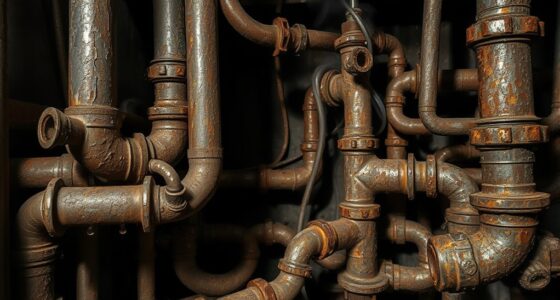
Finally, if after these troubleshooting steps your pressure remains low, consider whether the new installation might be affecting your existing system’s pressure balance. Sometimes, new appliances or pipes alter flow dynamics, requiring adjustments to valves or additional components like pressure boosters. While many pressure issues are straightforward to diagnose and fix, persistent problems could indicate a more complex internal blockage or a need for professional assessment. Running these troubleshooting steps will help you identify the cause of pressure loss and determine whether a simple fix will do or if expert help is necessary.
As an affiliate, we earn on qualifying purchases.
Frequently Asked Questions
How Long Should I Wait Before Checking for Low Pressure After Installation?
You should wait at least 30 minutes to an hour before checking for low pressure after installation. This waiting period allows for pressure stabilization, ensuring the system has had enough time to settle. Rushing to check too soon might give inaccurate readings, leading to unnecessary troubleshooting. Be patient, monitor the pressure during this time, and confirm the system is properly stabilized before taking any further action.
Can Low Pressure Be Caused by Improper System Configuration?
Ironically, yes, low pressure often stems from improper system configuration. You might overlook system calibration or ignore component misalignment, but these are common culprits. When your system isn’t calibrated correctly, or components aren’t aligned properly, it can cause pressure drops. Double-check your calibration settings and make certain all parts are aligned precisely. Addressing these issues promptly ensures your system runs smoothly, avoiding that frustrating low-pressure surprise.
Is It Safe to Perform a Pressure Check Myself?
Performing a pressure check yourself can be safe if you follow proper DIY safety and tool safety protocols. Make sure you wear protective gear, use the right tools, and carefully follow manufacturer instructions. Avoid working with high pressure systems directly if you’re unsure or inexperienced, as mishandling can cause injury. If you’re uncertain, it’s best to consult a professional to ensure safety and accurate diagnosis.
What Tools Are Needed for Diagnosing Low Pressure Issues?
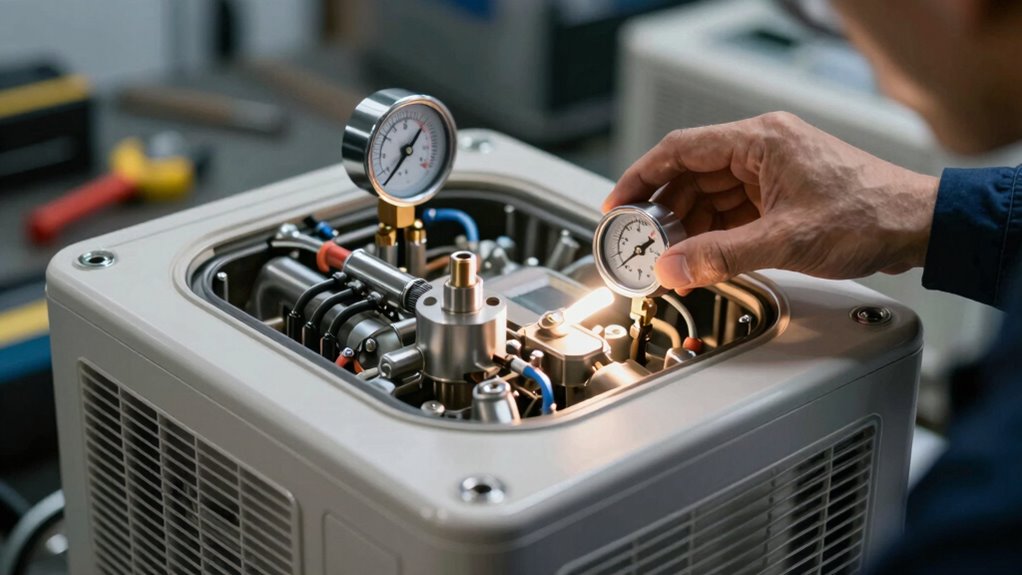
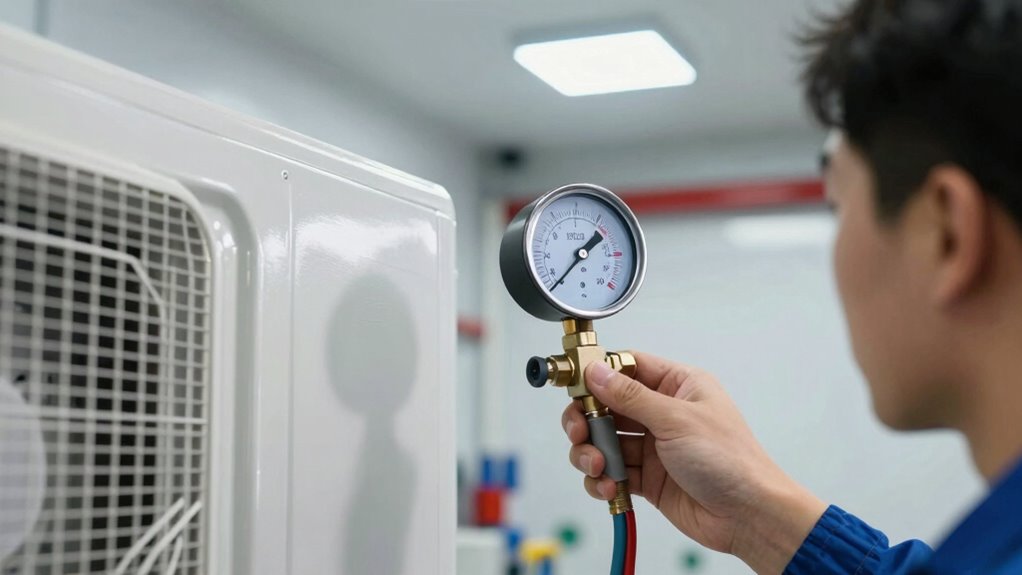
Imagine you’re troubleshooting your AC and notice low pressure. You’ll need tools like pressure gauges or manifold gauges to diagnose the issue effectively. These gauges help you measure refrigerant pressure accurately. You attach them to service ports, allowing you to monitor system performance. With these tools, you can identify if refrigerant levels are low or if there’s a leak, guiding your next steps confidently.
When Should I Contact a Professional for Low Pressure Problems?
You should contact a professional if you notice persistent low pressure after running the initial diagnosis, especially if system calibration seems off or if troubleshooting doesn’t resolve the issue. A professional inspection can identify hidden problems like leaks or faulty components. Don’t delay if the pressure drops further or if you experience unusual noises—professional help guarantees your system’s safety and proper operation.
As an affiliate, we earn on qualifying purchases.
Conclusion
If you’re still facing low pressure after installation, don’t worry—you can troubleshoot like a detective on a mission. Follow these steps to identify and fix the issue, just like finding clues in a mystery. Think of it as untangling a knot; patience and methodical checking will help you restore proper flow. With a little effort, you’ll have your system running smoothly again, like a well-oiled machine, ready to perform at its best.
showerhead with adjustable pressure
As an affiliate, we earn on qualifying purchases.
As an affiliate, we earn on qualifying purchases.
As an affiliate, we earn on qualifying purchases.
NFL season / tailgating Picks
team gear
As an affiliate, we earn on qualifying purchases.