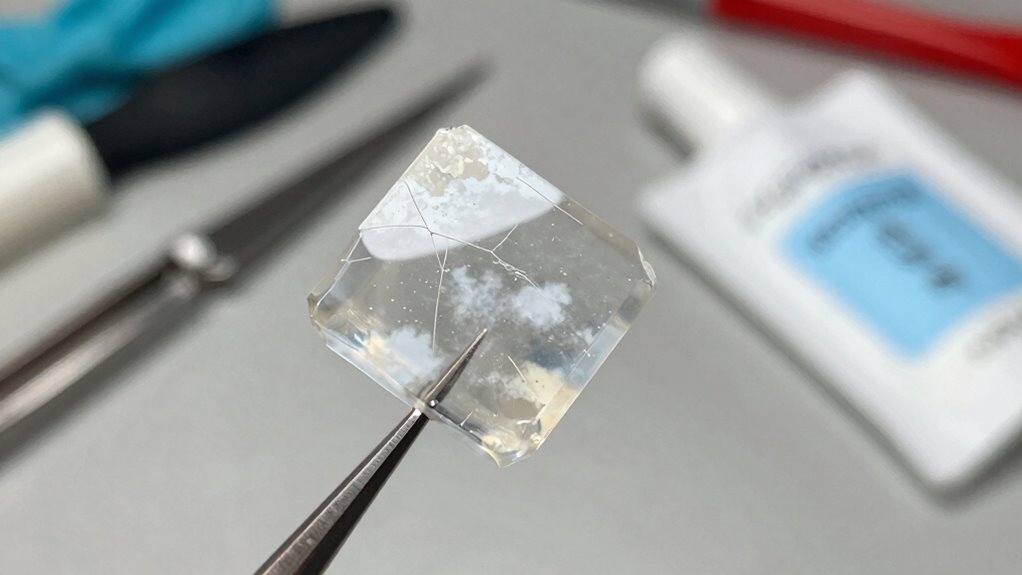

Neglecting proper cleaning and storage shortens resin’s lifespan by allowing dust, oils, and dirt to accumulate, which dulls its shine and causes micro-scratches. Using harsh chemicals or abrasive materials can scratch or dull the surface, while storing resin in direct sunlight or at high temperatures speeds up yellowing and warping. To keep your resin looking its best longer, it’s essential to follow proper care techniques—discover how to protect your pieces effectively.

Get home appliances delivered free — and shop member deals
- Fast, free delivery on millions of items
- Access to Prime Big Deal Days deals on October 6–7
- Prime Video, Amazon Music and more included
Key Takeaways
- Using harsh chemicals or abrasive materials can scratch or dull resin surfaces, accelerating deterioration.
- Neglecting regular cleaning allows dust, oils, and dirt to build up, reducing resin’s clarity and gloss over time.
- Exposing resin to direct sunlight or high temperatures causes yellowing, discoloration, and structural weakening.
- Improper storage, such as stacking or leaving items in humid environments, increases risk of cracks, warping, and surface damage.
- Failing to dry resin thoroughly after cleaning can lead to water spots, micro-micro scratches, and surface dullness.
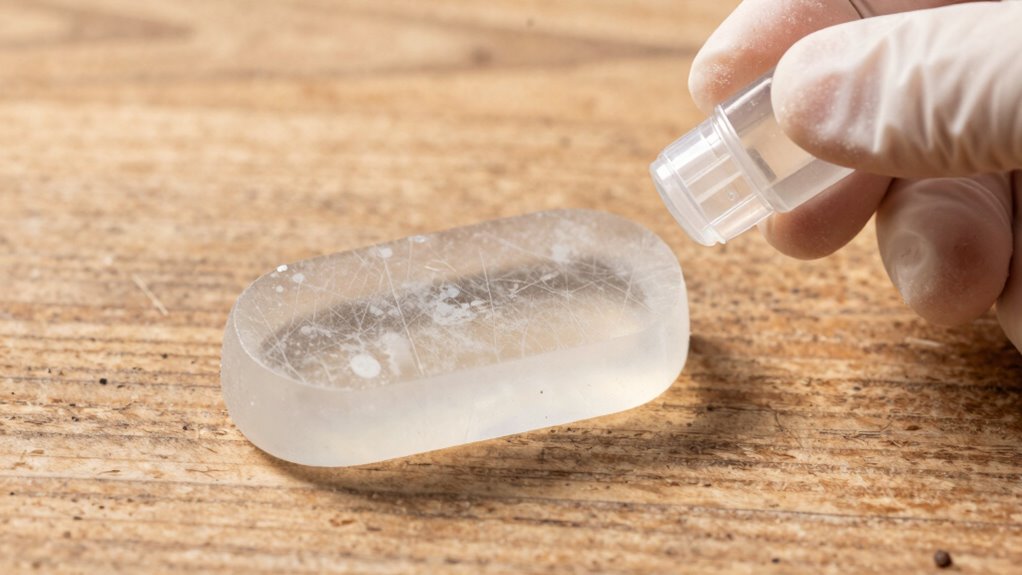
Taking good care of your resin pieces guarantees they stay beautiful and durable for years to come. Proper resin cleaning and smart storage tips are essential to maintain their appearance and longevity. Resin art and jewelry can be surprisingly resilient, but neglecting these aspects can lead to cloudiness, scratches, or even deterioration over time. When it comes to resin cleaning, avoid harsh chemicals or abrasive materials that can scratch or dull the surface. Instead, use a soft cloth or a gentle soap solution to wipe away dust, fingerprints, or grime. For stubborn spots, a mixture of warm water and a few drops of mild dish soap usually does the trick. Dry your pieces thoroughly afterward to prevent water spots or damage. Regular maintenance helps prevent the buildup of dust and oils that can dull the surface and ensures your resin remains clear and vibrant.
Proper resin care ensures lasting beauty and durability. Clean gently, store wisely, and protect your creations from damage.
Storage tips are equally important. Keep your resin items away from direct sunlight, which can cause yellowing or discoloration over time. Store them in a cool, dry place to prevent warping or cracking, especially if your pieces contain embedded objects or are more delicate. Consider using padded containers or wrapping your resin creations in soft cloths to prevent scratches and impacts. Avoid stacking resin items directly on top of each other without protection, as this can lead to surface damage. For jewelry or smaller pieces, hanging or placing them in individual compartments helps preserve their shape and shine. Additionally, proper storage environments can help mitigate the effects of UV exposure and temperature fluctuations that can degrade resin over time.
Resin cleaning isn’t just about wiping away dirt; it’s also about preventing buildup that can compromise the clarity and finish of your pieces. Regular maintenance keeps your resin looking fresh and prevents the accumulation of dust and oils that can dull the surface. When cleaning, be gentle—rubbing too hard or using rough materials can create micro-scratches that diminish the gloss. If your resin piece has a matte finish, be extra cautious to avoid polishing it prematurely, which can alter its texture. Proper storage environments and gentle cleaning practices work together to extend the lifespan of your resin creations and keep them looking their best for years to come.
As an affiliate, we earn on qualifying purchases.
Frequently Asked Questions
Can Resin Be Reused After It Has Cured?
Resin can’t typically be reused after it has cured because the curing process transforms it into a solid, irreversible state. While resin recycling is possible in some cases, it usually involves specialized techniques to break down or modify the cured material. Once fully cured, the resin’s properties change, making it difficult to re-melt or reshape, so reuse isn’t practical without advanced recycling methods.
How Do Environmental Factors Affect Resin Longevity?
Environmental factors can secretly sabotage your resin’s lifespan. UV exposure gradually breaks down the resin, weakening it over time, while temperature fluctuations cause expansion and contraction, leading to cracks and deterioration. You might not notice these subtle effects until it’s too late. To preserve your resin’s integrity, keep it away from direct sunlight and extreme temperature changes. Protect your projects now to make sure they last longer and stay beautiful.
Is There a Way to Repair Damaged Resin Surfaces?
Yes, you can repair damaged resin surfaces. For surface scratches, lightly sanding with fine-grit sandpaper and applying a resin-specific polish can restore shine. For chemical damage, cleaning the area with appropriate solvents and reapplying resin coating helps seal the surface. Always follow manufacturer instructions and test on a small area first. Regular maintenance and prompt repairs extend your resin’s lifespan and keep it looking its best.
What Safety Precautions Should Be Taken During Resin Maintenance?
You need to prioritize safety during resin maintenance, just like you’d handle fragile glass. Always wear personal protective equipment, including gloves and goggles, to shield your skin and eyes. Guarantee proper ventilation safety by working in a well-ventilated area or using exhaust fans, preventing harmful fumes from accumulating. These precautions protect you from chemical exposure and ensure a safer environment while maintaining your resin surfaces.
Does the Type of Resin Influence Its Lifespan?
Yes, the type of resin influences its lifespan because different resin compositions have varying chemical properties affecting durability. The curing process also plays a vital role; proper curing guarantees maximum strength and longevity. If you choose a high-quality resin with the right composition and follow the recommended curing process, you’ll extend its lifespan, reducing the risk of cracks, degradation, or other issues over time.
As an affiliate, we earn on qualifying purchases.
Conclusion
By now, you know that proper resin care can extend its lifespan and keep it looking great. Avoiding harsh chemicals, regular cleaning, and proper storage all make a difference. But isn’t it worth asking yourself—are you giving your resin the attention it deserves? Small habits can considerably impact its longevity. So, why not take a moment now to review your care routine and guarantee your resin stays beautiful for years to come?
As an affiliate, we earn on qualifying purchases.
As an affiliate, we earn on qualifying purchases.
Fall Picks
fall essentials
As an affiliate, we earn on qualifying purchases.