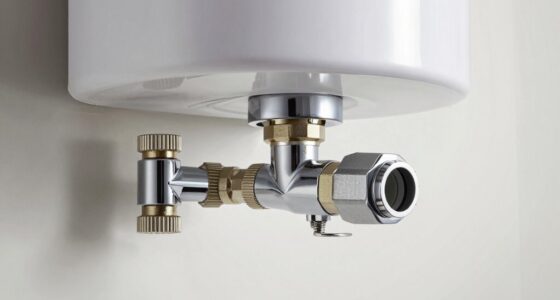

To maintain your pH neutralizer effectively, regularly replace the calcite media before it’s exhausted to guarantee consistent pH balance. Clean the system at least once a year with mild cleaners, turning off the system and rinsing all parts thoroughly. Check your water’s pH levels periodically; if it drops below 7, it’s time for maintenance. Continuing with proper upkeep helps prevent buildup and extends your system’s lifespan—there’s more to know to keep it running smoothly.

Get home appliances delivered free — and shop member deals
- Fast, free delivery on millions of items
- Access to Prime Big Deal Days deals on October 6–7
- Prime Video, Amazon Music and more included
Key Takeaways
- Regularly monitor water pH and mineral levels to determine when calcite replacement is needed.
- Turn off the system, drain the tank, and carefully remove and rinse media during cleaning.
- Use high-quality, food-grade calcite to restore neutralizing capacity and prevent mineral buildup.
- Clean the tank and media with mild, non-abrasive cleaners at least once annually or as needed.
- Consistent maintenance prevents system inefficiencies, prolongs lifespan, and ensures optimal water quality.
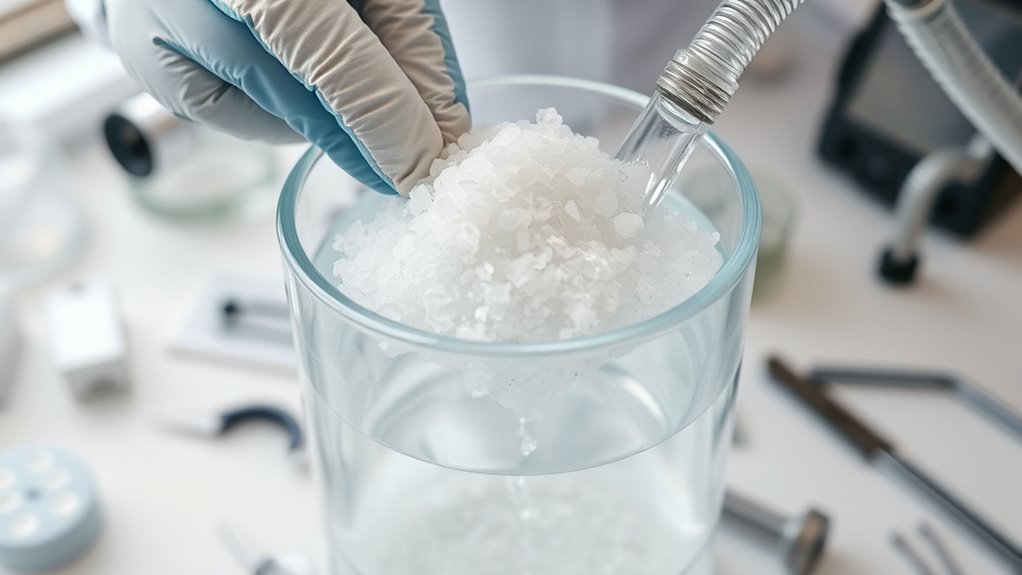
Have you ever wondered how to keep your pH neutralizers effective over time? Maintaining their performance involves understanding the importance of regular upkeep, especially when it comes to water softening and pH stabilization. Over time, mineral deposits and buildup can hinder the neutralizer’s ability to regulate pH levels properly. That’s why routine maintenance, including calcite replacement and cleaning, is essential to guarantee your system continues to function at its best.
Regular maintenance, including calcite replacement and cleaning, is essential to keep your pH neutralizer functioning effectively over time.
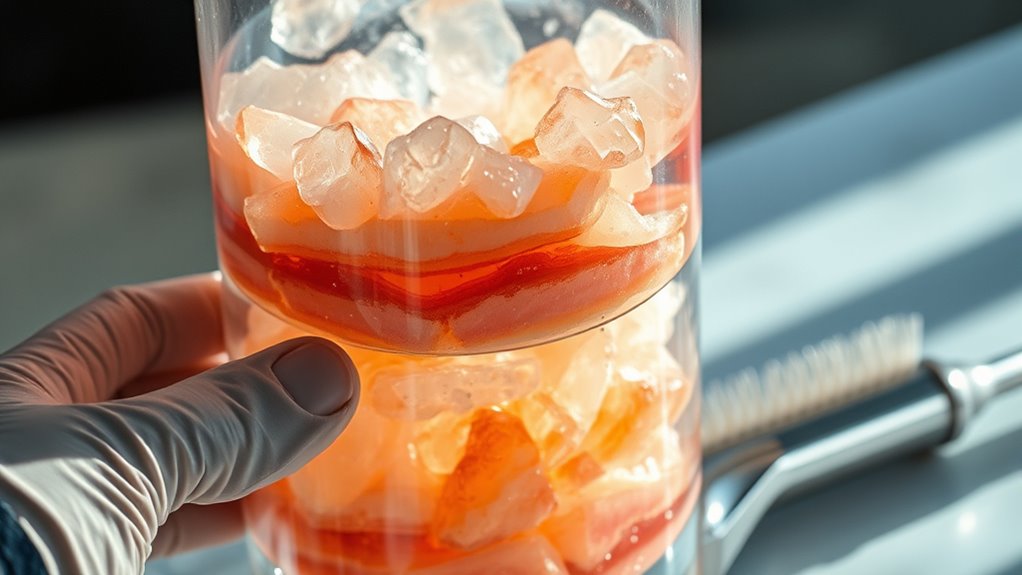
Water softening is a key process within pH neutralizers, as it prevents scale buildup caused by hard water minerals like calcium and magnesium. These minerals can accumulate on the calcite media, reducing its efficiency in raising pH levels and neutralizing acidity. To avoid this, you need to periodically replace the calcite media, which acts as the primary neutralizing agent. When replacing calcite, make sure to use high-quality, food-grade calcite that’s specifically designed for water treatment. This helps maintain consistent water quality and prevents mineral buildup from compromising pH stabilization. Regularly check the mineral levels and replace the calcite before it becomes exhausted; this proactive approach keeps your neutralizer functioning smoothly. Additionally, understanding the effects of mineral buildup can help you better anticipate maintenance needs.
Cleaning your pH neutralizer is equally important. Sediment, algae, and other contaminants can accumulate inside the tank or on the media, impeding water flow and diminishing effectiveness. When cleaning, turn off the system, drain the tank, and carefully remove the media. Rinse the tank thoroughly with clean water to remove any residue or deposits. Use a mild, non-abrasive cleaner if necessary, but avoid harsh chemicals that could damage the media or the tank. Once cleaned, replace the media with fresh calcite, ensuring proper placement to maximize contact with the water. Cleanings should be performed at least once a year, or more frequently if you notice a decrease in water quality or system performance.
Monitoring the pH levels regularly helps you determine when maintenance is needed. If your water’s pH drops below 7, or if you notice increased acidity, it’s a sign that your neutralizer needs attention. Consistent water softening and pH stabilization depend on these routine checks and timely replacements. Remember, neglecting maintenance can cause the system to become less effective, leading to corrosion, scale buildup, and poor water quality. By staying proactive with calcite replacement and system cleaning, you ensure your pH neutralizer continues to deliver clean, balanced water for your home or business. Proper care extends the lifespan of your system and keeps your water safe and comfortable to use every day.
calcite water neutralizer replacement
As an affiliate, we earn on qualifying purchases.
As an affiliate, we earn on qualifying purchases.
Frequently Asked Questions
How Often Should I Replace Calcite in My Ph Neutralizer?
You should replace the calcite in your pH neutralizer every 6 to 12 months, depending on your water’s usage and quality. The calcite lifespan varies with water hardness; harder water wears it out sooner. To guarantee the best performance, follow a regular replacement schedule, and check the system periodically. If you notice pH levels fluctuating or reduced neutralizing capacity, it’s time for a replacement.
Can I Use Vinegar to Clean My Calcite Tank?
Yes, you can use vinegar cleaning for your calcite tank. Vinegar effectively removes mineral buildup during calcite maintenance, helping to keep your neutralizer functioning properly. Just pour vinegar into the tank, let it sit for a few hours, then scrub gently if needed. Rinse thoroughly with water afterward. Regular vinegar cleaning prevents clogging and extends the life of your calcite, ensuring consistent pH neutralization.
What Are Signs That My Neutralizer Needs Maintenance?
You’ll notice your neutralizer needs maintenance if you see scale buildup on the tank or plumbing, which indicates it’s working too hard. Water discoloration, such as a cloudy or brownish tint, is another sign it’s time to check the system. These issues suggest your calcite needs replacement or cleaning to restore proper pH balance and prevent further damage. Regular inspections help keep your neutralizer functioning effectively.
Is There a Way to Extend the Life of Calcite?
Think of your calcite as a gentle guardian, slowly dissolving in the relentless tide of water hardness. To extend its longevity, you can control water hardness by installing a pre-filter or softener, reducing mineral buildup. Regularly monitor the pH levels and clean the neutralizer, helping it work efficiently. By managing these factors, you help your calcite stand strong longer, preserving its essential role in balancing your water’s pH.
Are There Environmentally Friendly Options for Calcite Replacement?
Yes, you can choose eco-friendly alternatives for calcite replacement. Look for sustainable materials like coral calcium, filtered limestone, or bio-based neutralizers made from natural, renewable resources. These options reduce environmental impact and support sustainability efforts. By selecting eco-friendly alternatives, you help protect the environment while maintaining your pH neutralizer system effectively. Always check product labels for certifications like eco-labels or organic certifications to guarantee you’re choosing genuinely sustainable materials.
As an affiliate, we earn on qualifying purchases.
Conclusion
Think of your pH neutralizer as a silent guardian, quietly balancing the waters of your home. By regularly replacing calcite and cleaning your system, you’re nurturing its ability to protect and sustain. When you care for it, you’re tending to a essential bridge—between raw water and the pure, balanced flow you deserve. Keep it maintained, and your water’s harmony remains unbroken, a lasting symbol of your dedication to a healthier, more balanced life.
food-grade calcite media for water treatment
As an affiliate, we earn on qualifying purchases.
As an affiliate, we earn on qualifying purchases.
As an affiliate, we earn on qualifying purchases.
Fall yard work Picks
leaf blowers
As an affiliate, we earn on qualifying purchases.