When water turns noticeably cloudy, it’s a serious red flag that immediate testing is needed. High turbidity indicates the presence of particles, which can hide harmful pathogens or chemicals, risking your health and the environment. Elevated levels can also disrupt filtration and disinfection processes. Knowing when cloudiness signals danger helps you act quickly to identify contamination sources. Stay with us to discover more about what turbidity levels reveal and how to respond effectively.

Get home appliances delivered free — and shop member deals
- Fast, free delivery on millions of items
- Access to Prime Big Deal Days deals on October 6–7
- Prime Video, Amazon Music and more included
Key Takeaways
- Elevated turbidity indicates potential contamination, signaling a need for immediate water quality assessment.
- Cloudiness can harbor harmful pathogens, increasing health risks if untreated.
- High turbidity levels can impair filtration and disinfection processes in water treatment.
- Sudden increases in turbidity often reveal pollution events or runoff issues.
- Regular turbidity testing helps detect problematic changes early, preventing health hazards.
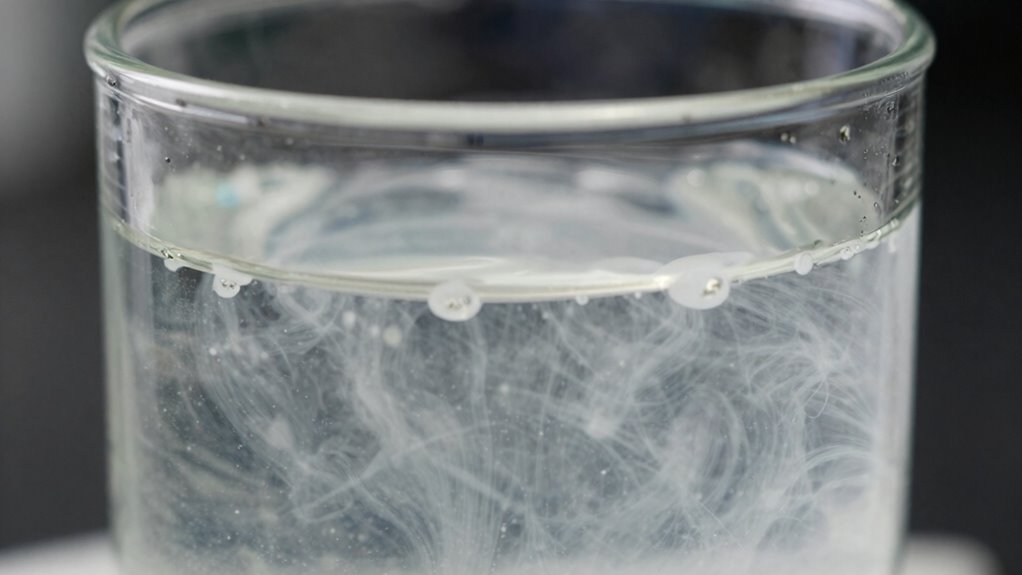
Have you ever wondered how clear your water really is? When it looks pristine, it’s easy to assume it’s safe, but appearances can be deceiving. Turbidity testing is a crucial step in evaluating water quality, revealing how much cloudiness or particulate matter exists in water samples. This process helps determine whether water is safe to drink, use in industrial applications, or discharge into the environment. Turbidity, caused by particles like sediment, algae, or microorganisms, can compromise water safety and efficiency, making proper testing procedures essential.
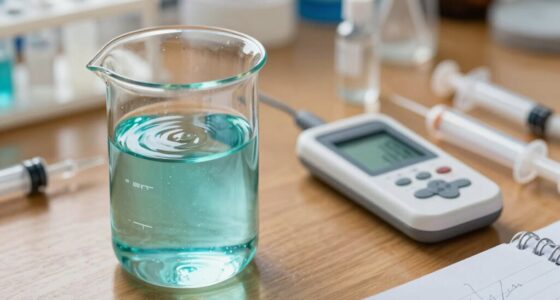
Understanding water quality begins with accurate testing. The testing procedures for turbidity are straightforward but require precision. Usually, you’ll use a turbidity meter or a secchi disk to measure how much light passes through a water sample. The turbidity meter, a handheld device or laboratory instrument, shines a light through the sample and measures how much is scattered by particles. The more scattering, the higher the turbidity reading, expressed in nephelometric turbidity units (NTUs). Alternatively, the secchi disk method involves lowering a disk into the water until it’s no longer visible, giving an indirect measure of clarity. Both methods are reliable, but the meter provides more precise and quantitative results, essential for regulatory compliance or scientific analysis.
Accurate turbidity testing uses meters or secchi disks for precise water clarity measurements.
These testing procedures are critical because high turbidity levels often indicate poor water quality, which can pose health risks or indicate contamination. For example, water with elevated turbidity may harbor harmful pathogens or chemicals attached to particles, making filtration and disinfection less effective. Regulatory agencies set permissible turbidity limits to safeguard public health, so regular testing becomes part of routine water management. Whether you’re responsible for a municipal water supply, operating a treatment plant, or monitoring environmental conditions, understanding and implementing proper testing procedures ensures you catch issues early.
Moreover, turbidity testing isn’t just about compliance; it’s about protecting your health and the environment. Cloudy water might seem harmless, but it can mask dangerous pollutants or microbial threats. By conducting regular turbidity assessments, you can identify when water quality deteriorates and take corrective actions, such as adjusting filtration processes or investigating pollution sources. This proactive approach helps prevent outbreaks of waterborne diseases or ecological damage, emphasizing why turbidity testing is a critical component of water management. Regular testing also supports the effective operation of air purifiers, which rely on clean air to function optimally and maintain indoor air quality.
turbidity meter for water testing
As an affiliate, we earn on qualifying purchases.
As an affiliate, we earn on qualifying purchases.
Frequently Asked Questions
How Often Should Turbidity Testing Be Performed?
You should perform turbidity testing regularly, ideally at a sampling frequency that matches your water system’s size and usage. For everyday monitoring, daily or weekly testing with simple testing methods like a turbidity meter or test kit works best. If your water source is more variable, increase testing frequency to catch cloudiness early. Consistent testing helps prevent potential contamination, ensuring safe, clear water for everyone.
What Are the Health Risks of High Turbidity Levels?
High turbidity levels pose serious health risks, as they can harbor harmful bacteria, viruses, and parasites. These contaminants can cause illnesses like gastrointestinal infections and more severe diseases. Proper water filtration helps remove these particles, reducing health hazards. By ensuring effective contaminant removal, you protect yourself and your loved ones from waterborne diseases, making clear, safe drinking water a priority in your daily routine.
Can Turbidity Affect Water Taste and Odor?
Yes, turbidity can affect water taste and odor. When water clarity decreases due to increased turbidity, you might notice a stale or musty smell, and the water can taste off or metallic. These aesthetic concerns often signal the presence of organic matter or pollutants, making the water less appealing. High turbidity levels can also mask underlying contaminants, so addressing cloudiness improves both the look and overall water quality.
What Equipment Is Used for Turbidity Measurement?
Sure, you’ll need optical sensors or a turbidimeter to measure turbidity accurately. Don’t forget calibration standards—they’re the secret to trustworthy results. It’s almost amusing how a simple device can reveal so much about water quality, isn’t it? By using the right equipment, you catch cloudiness that might otherwise hide behind the scenes, ensuring your water stays clear and safe.
How Do Weather Conditions Influence Turbidity Readings?
Weather conditions profoundly influence turbidity readings. Rain impact can cause runoff that introduces sediments, increasing cloudiness and skewing results. Wind influence stirs up particles in water bodies, elevating turbidity levels temporarily. You should account for recent rain or strong winds, as they can produce false positives or exaggerated readings. Monitoring weather patterns helps interpret turbidity data accurately, ensuring it reflects true water quality rather than weather-induced fluctuations.
As an affiliate, we earn on qualifying purchases.
Conclusion
Turbidity testing is vital for ensuring water safety—you can’t spot trouble just by looking. Did you know that over 70% of waterborne illnesses are linked to untreated or improperly treated water? By regularly checking for cloudiness, you catch potential contaminants early and protect your health. Don’t overlook those cloudy signs; they’re often the first warning. Stay vigilant, test often, and keep your water clear and safe for everyone.
secchi disk water clarity measurement
As an affiliate, we earn on qualifying purchases.
As an affiliate, we earn on qualifying purchases.
As an affiliate, we earn on qualifying purchases.
Fall Picks
fall essentials
As an affiliate, we earn on qualifying purchases.